How to Say "modesty" in Spanish
The most common Spanish word for “modesty” is “humildad” — use 'humildad' to describe a lack of excessive pride or an unpretentious attitude, often seen when acknowledging achievements or one's background.

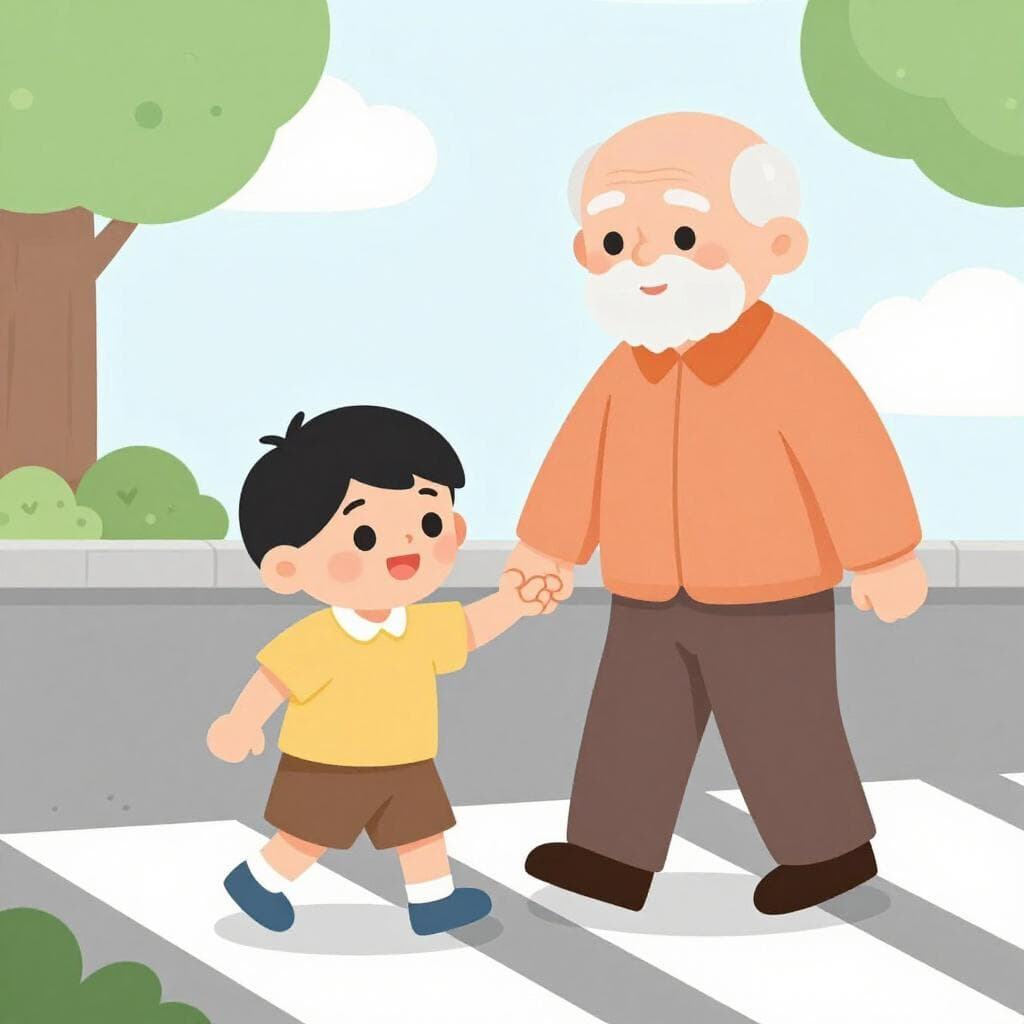
humildad
oo-meel-dahdumilˈdad

Examples
Aceptó el premio con mucha humildad.
He accepted the award with a lot of humility.
La humildad es una virtud que todos debemos practicar.
Humility is a virtue that we should all practice.
Su humildad lo hace una persona muy querida por todos.
His humility makes him a person very much loved by everyone.
Él nunca olvidó la humildad de su primer hogar.
He never forgot the modesty of his first home.
Feminine Nouns in -dad
Spanish words ending in '-dad' (like humility, city, or truth) are almost always feminine. You should use 'la' or 'una' with this word.
Using 'con' instead of adverbs
While English often uses the adverb 'humbly,' Spanish speakers very frequently use the phrase 'con humildad' (with humility) to describe how someone acts.
Humildad as a Euphemism
In Spanish, 'humildad' is often used as a gentle or respectful way to talk about poverty or lack of money without sounding harsh.
The 'Silent H' Trap
Mistake: “Pronouncing the 'H' like an English 'H'.”
Correction: In Spanish, the 'H' is always silent. Start the word with the 'u' sound: 'oo-meel-dahd'.
Humildad vs. Humillación
Mistake: “Confusing 'humildad' with 'humillación'.”
Correction: Don't mix them up! 'Humildad' is a positive trait (humility), while 'humillación' (humiliation) is the negative act of making someone feel small or ashamed.
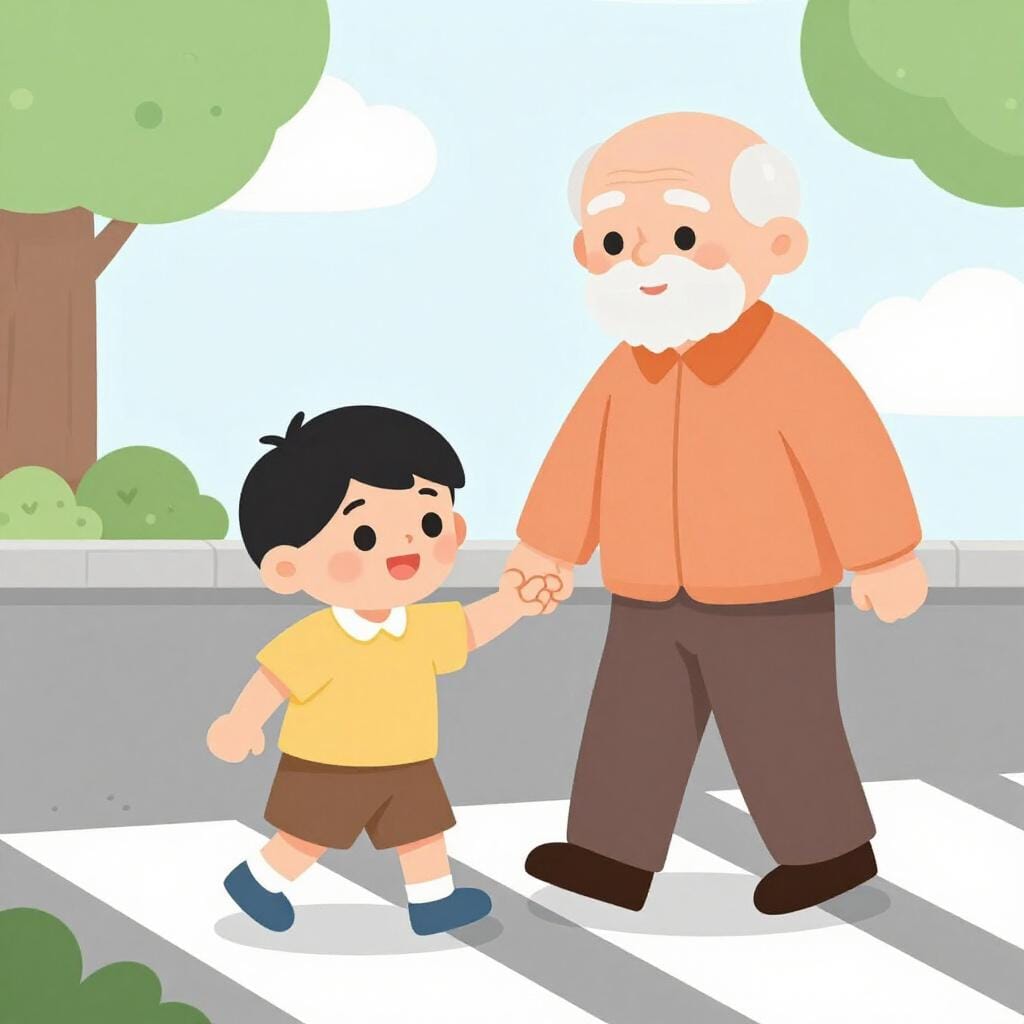
decencia
deh-SEN-syahdeˈθenθja
Examples
Ten la decencia de decir la verdad.
Have the decency to tell the truth.
Él siempre actúa con mucha decencia en el trabajo.
He always acts with a lot of integrity at work.
La decencia es un valor que se aprende en casa.
Decency is a value that is learned at home.
Always Feminine
This word is always 'la decencia.' Even if you are talking about a man's behavior, the word itself doesn't change its gender.
Using 'La' with General Ideas
When talking about decency as a general concept, Spanish almost always includes the word 'la' (the), whereas English often leaves it out.
Don't confuse with 'Decent'
Mistake: “Es una decencia persona.”
Correction: Es una persona decente. (Use 'decencia' for the idea/noun, and 'decente' to describe a person.)
humildad
oo-meel-dahdumilˈdad
Examples
Él nunca olvidó la humildad de su primer hogar.
He never forgot the modesty of his first home.
Aceptó el premio con mucha humildad.
He accepted the award with a lot of humility.
La humildad es una virtud que todos debemos practicar.
Humility is a virtue that we should all practice.
Su humildad lo hace una persona muy querida por todos.
His humility makes him a person very much loved by everyone.
Feminine Nouns in -dad
Spanish words ending in '-dad' (like humility, city, or truth) are almost always feminine. You should use 'la' or 'una' with this word.
Using 'con' instead of adverbs
While English often uses the adverb 'humbly,' Spanish speakers very frequently use the phrase 'con humildad' (with humility) to describe how someone acts.
Humildad as a Euphemism
In Spanish, 'humildad' is often used as a gentle or respectful way to talk about poverty or lack of money without sounding harsh.
The 'Silent H' Trap
Mistake: “Pronouncing the 'H' like an English 'H'.”
Correction: In Spanish, the 'H' is always silent. Start the word with the 'u' sound: 'oo-meel-dahd'.
Humildad vs. Humillación
Mistake: “Confusing 'humildad' with 'humillación'.”
Correction: Don't mix them up! 'Humildad' is a positive trait (humility), while 'humillación' (humiliation) is the negative act of making someone feel small or ashamed.
vergüenza
Examples
Me dio mucha vergüenza hablar en público por primera vez.
I felt a lot of embarrassment speaking in public for the first time.
Humildad vs. Decencia
Related Translations
Learn Spanish with Inklingo
Interactive stories, personalized learning, and more.