How to Say "shame" in Spanish
The most common Spanish word for “shame” is “vergüenza” — use this word for the most common feeling of embarrassment or shyness, often related to foolish or wrong behavior.
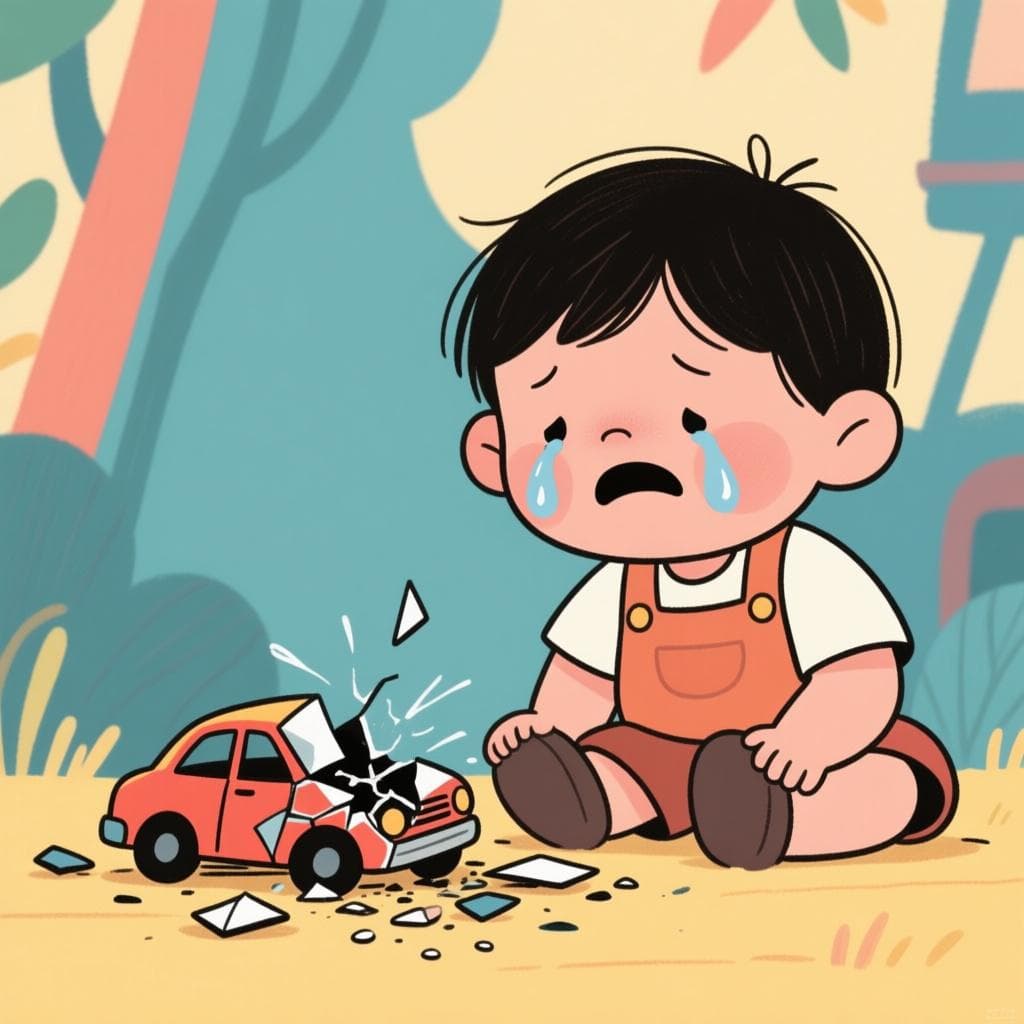
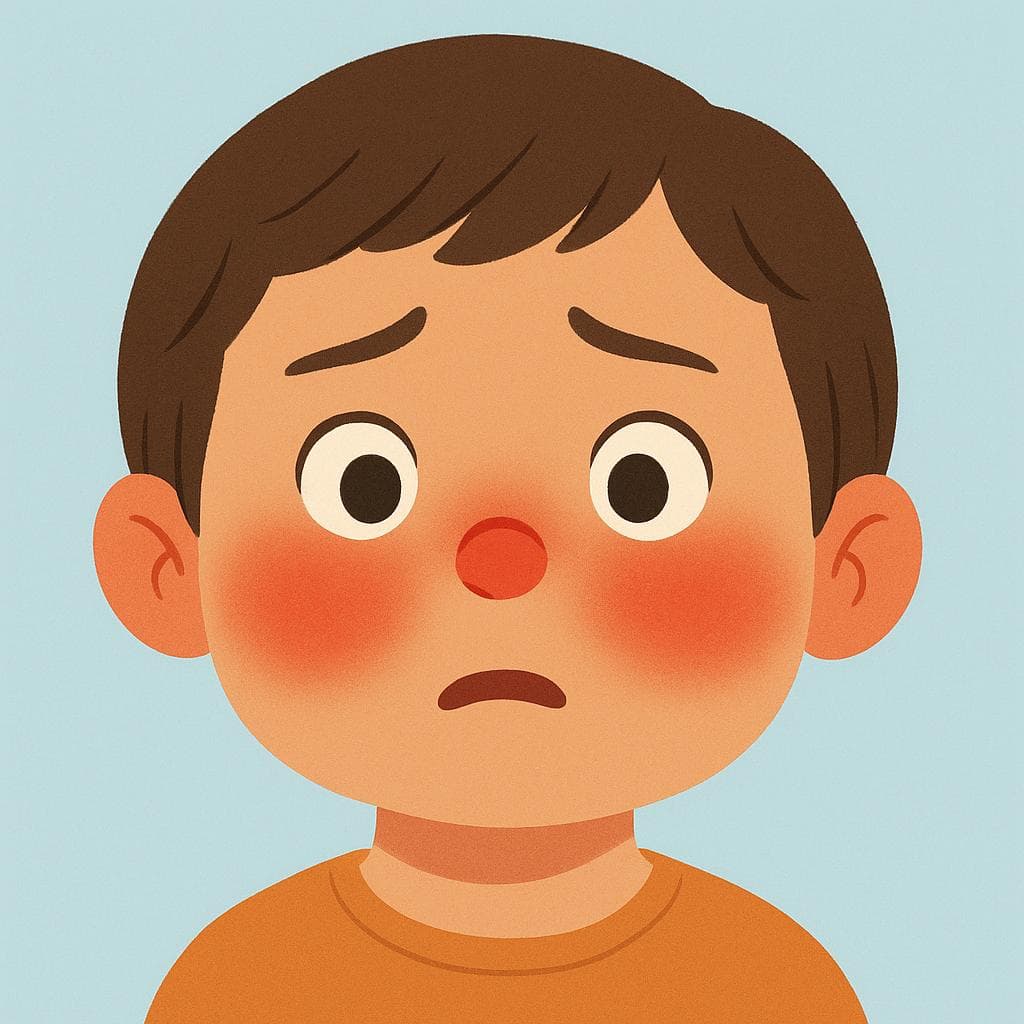
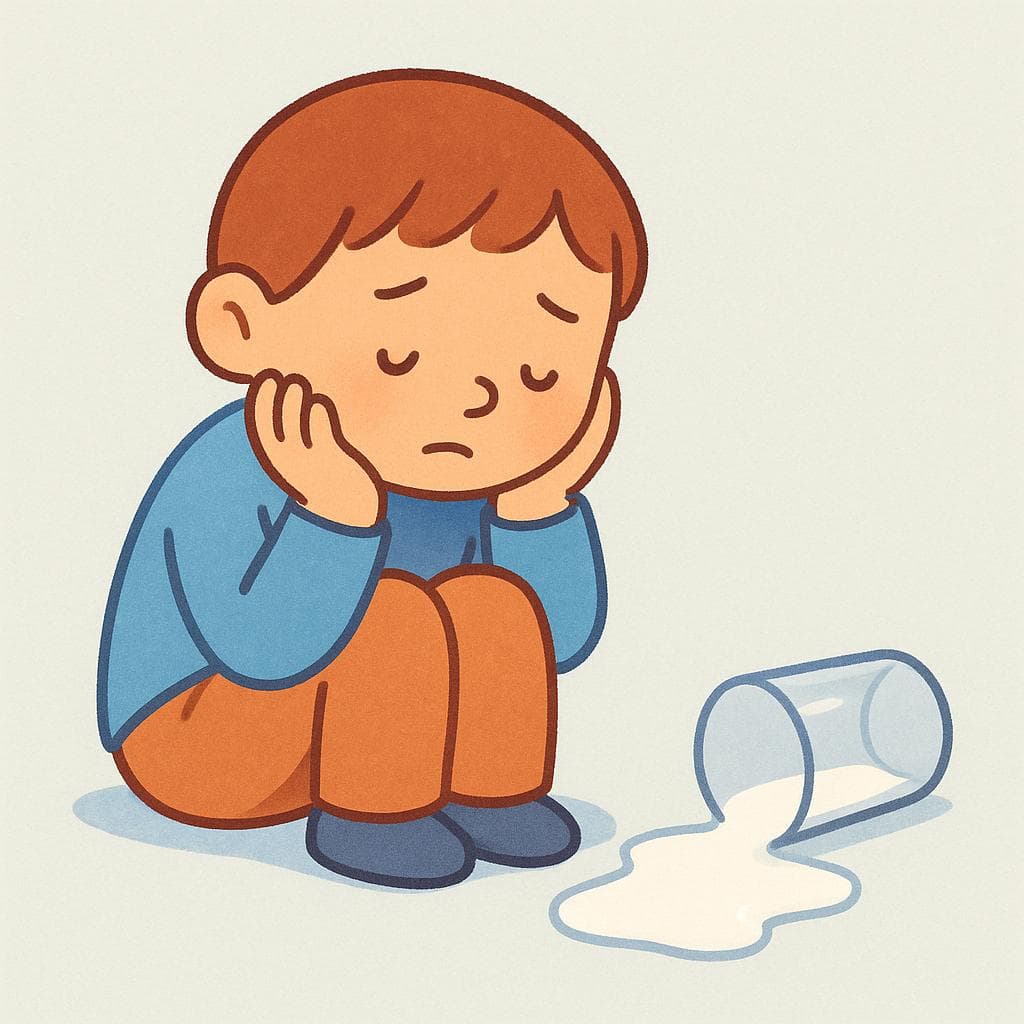
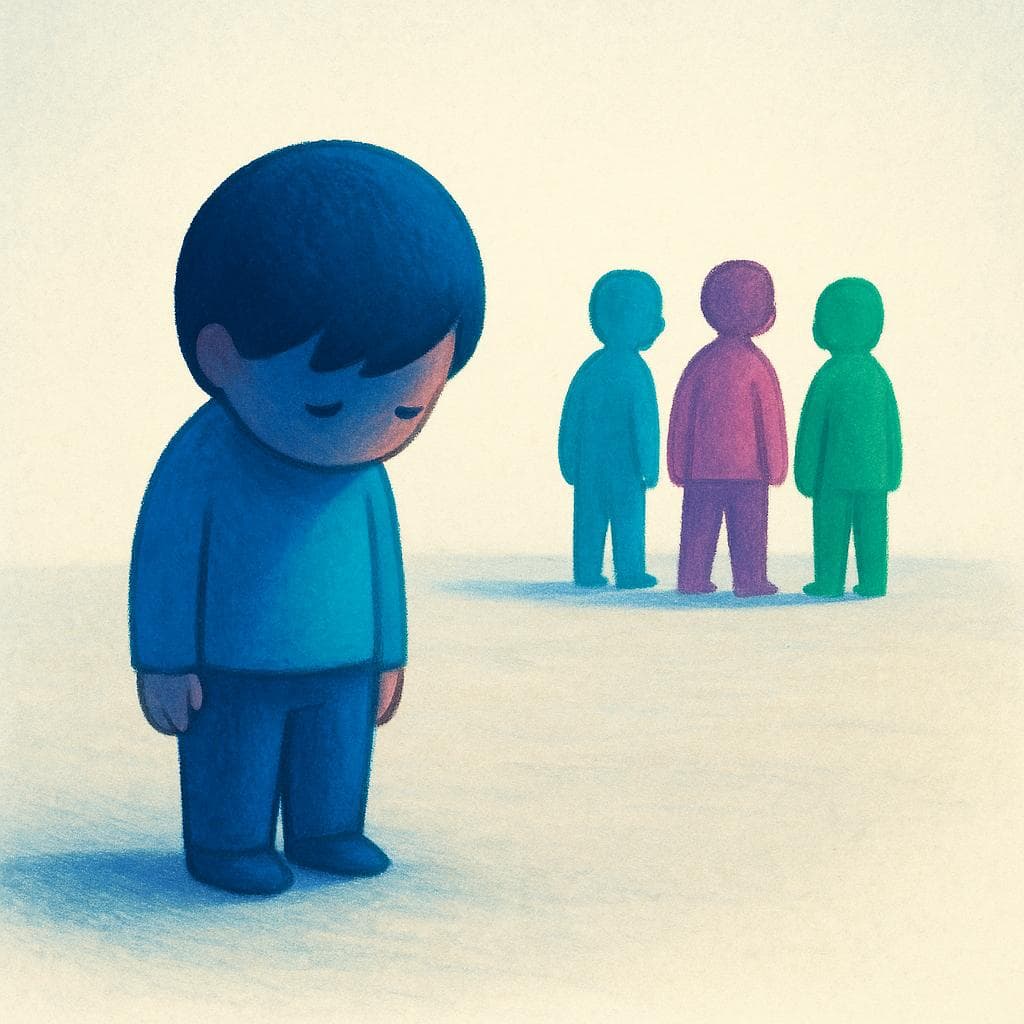

vergüenza
Examples
Me da vergüenza hablar delante de mucha gente.
I feel embarrassed speaking in front of many people.
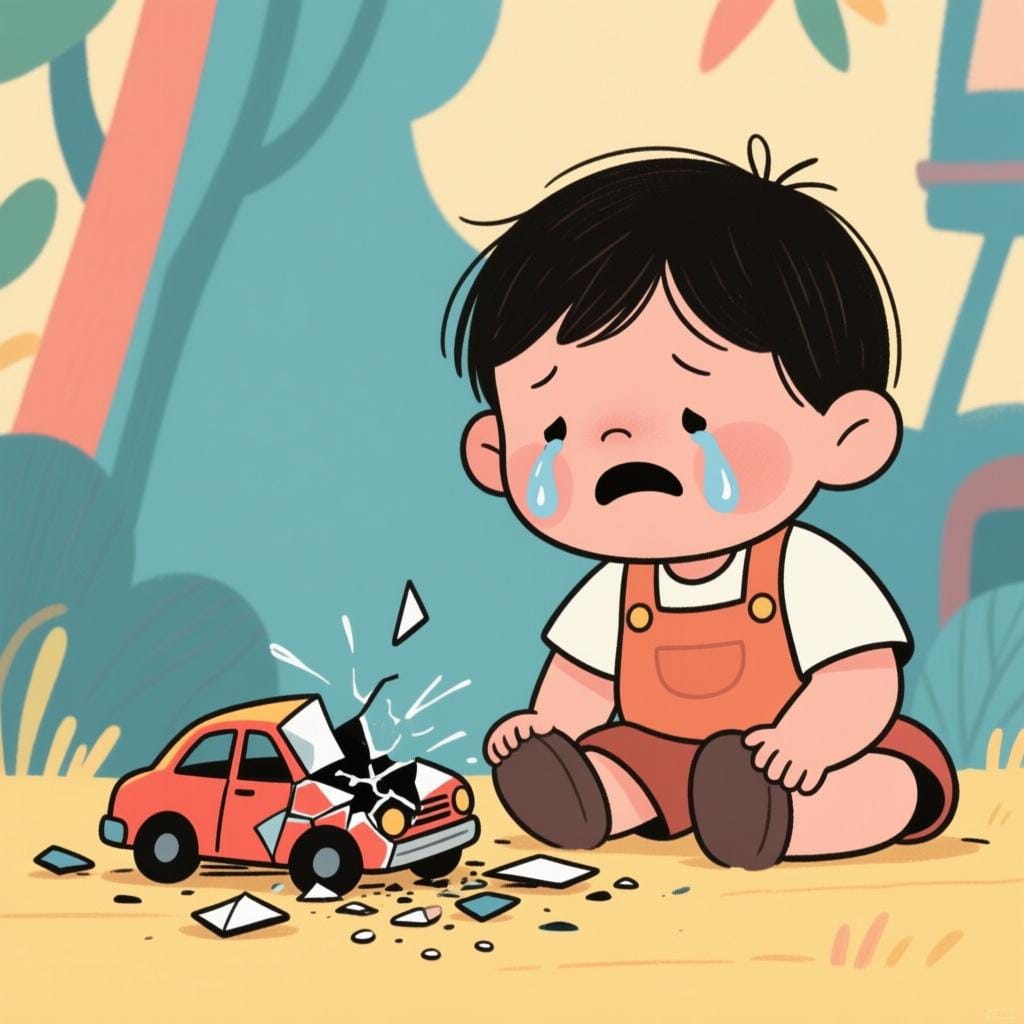
pena
PEH-nahˈpena
Examples
Qué pena que no vengas a la fiesta.
What a shame you aren't coming to the party.
Qué pena que no puedas venir a la fiesta.
What a shame you can't come to the party.
Me da mucha pena ver a los perros en la calle.
It makes me very sad to see dogs on the street.
Siento una gran pena por su pérdida.
I feel great sorrow for their loss.
Expressing Feelings with 'Dar'
Instead of saying 'I feel sad' (Siento pena), it's very common to say something 'gives' you sadness: 'Me da pena'. Think of it like 'It gives me sadness' or 'It makes me sad'.
Examples
Me da lástima el perro abandonado.
I feel pity for the abandoned dog.
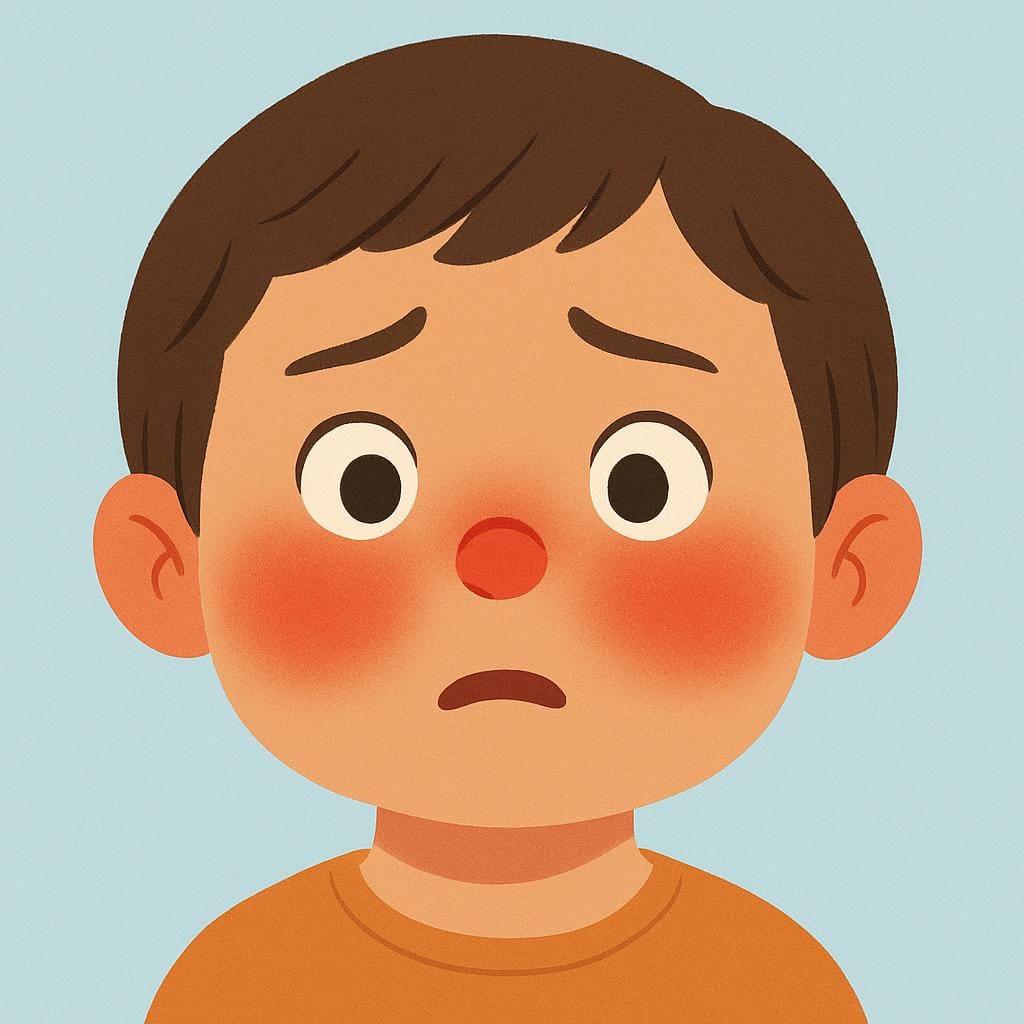
colores
koh-LOH-rehskoˈloɾes
Examples
Se le subieron los colores al recordar su error.
He blushed when he remembered his mistake.
Cuando le preguntaron por su secreto, se le subieron los colores a la cara.
When they asked him about his secret, he blushed/felt embarrassed.
Esa revista tiene artículos de todos colores: política, chismes, ciencia...
That magazine has articles of all kinds (of every color): politics, gossip, science...
Subir los colores
When someone blushes, Spanish often uses the verb 'subir' (to go up) or 'salir' (to come out) with 'los colores' as the subject: 'Se me subieron los colores' (The colors rose in me).
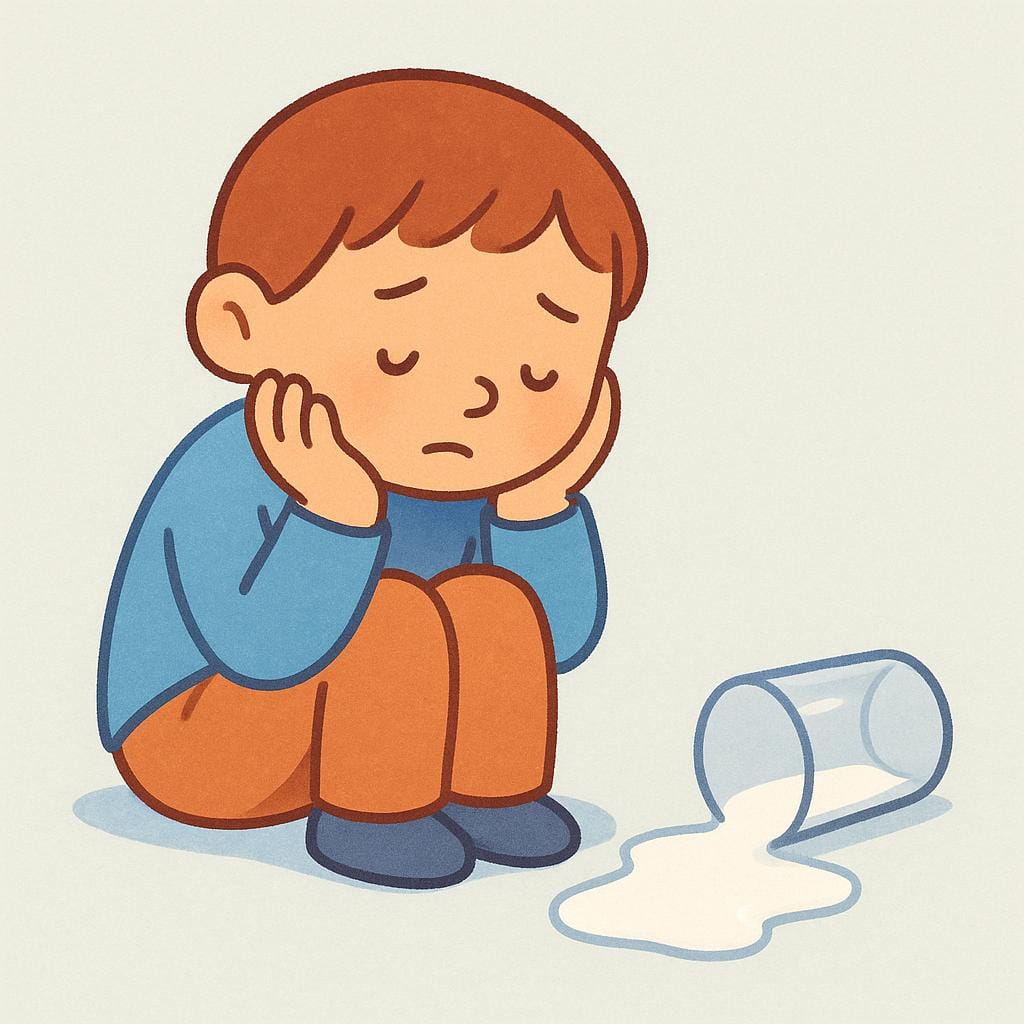
pecado
peh-CAH-dohpeˈkaðo
Examples
Es un pecado desperdiciar agua.
It's a shame/sin to waste water.
Es un pecado tirar tanta comida; mejor dónala.
It's a shame/waste to throw away so much food; better to donate it.
¡Qué pecado que no pudieras venir a la fiesta!
What a pity/shame that you couldn't come to the party!
Dejar de estudiar ahora sería un pecado.
Stopping studying now would be a terrible mistake (a shame).
Expressing Regret
This meaning is almost always used impersonally: 'Es un pecado que...' (It is a shame that...). If you follow it with a verb, the verb often needs the special form for wishes and feelings (subjunctive).
Using the Wrong Verb Form
Mistake: “Es un pecado que no fuiste.”
Correction: Es un pecado que no fueras/hayas ido. (The expression of regret triggers the special verb form.)
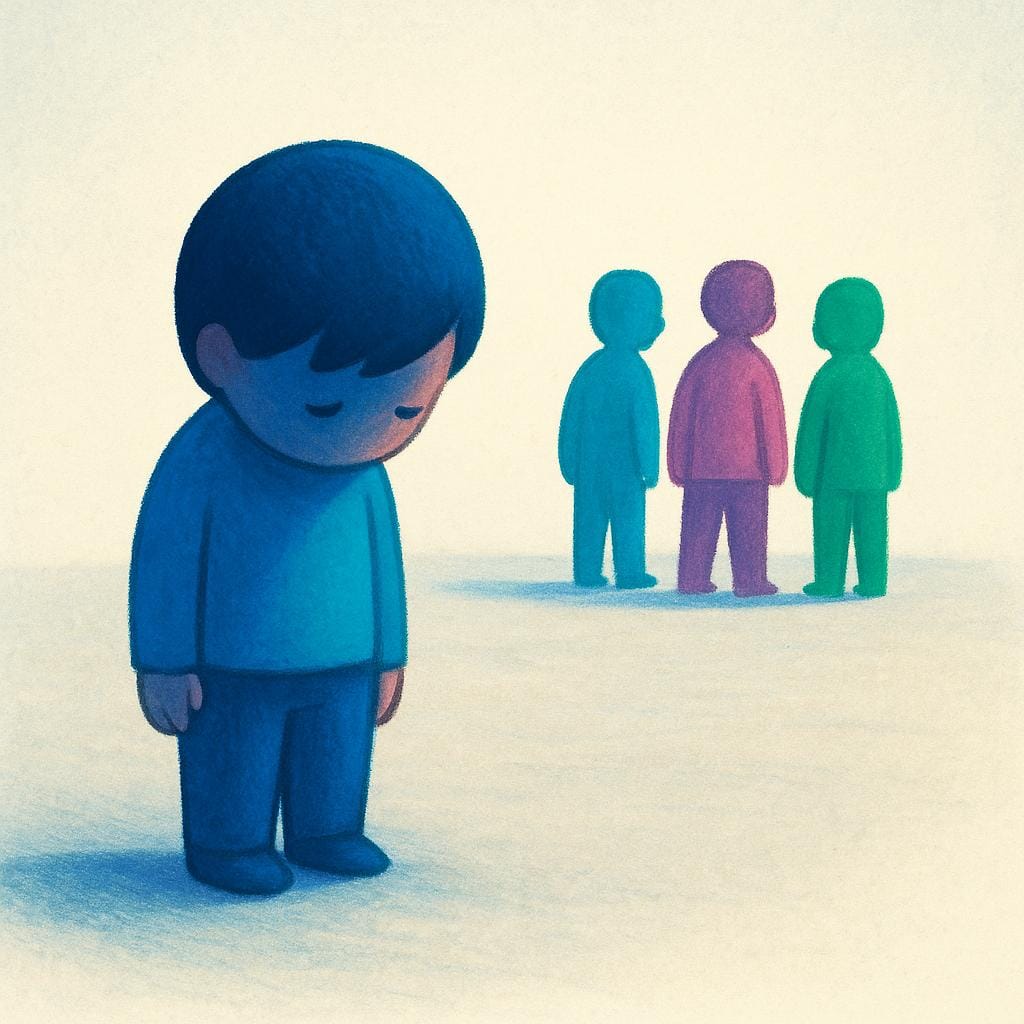
desgracia
des-GRAH-syadesˈɣɾa.θja
Examples
El escándalo fue una desgracia para su carrera.
The scandal was a disgrace to his career.
El escándalo provocó la desgracia del político en la opinión pública.
The scandal caused the politician's disgrace in the eyes of the public.
Después de ese error, el asistente cayó en desgracia ante el jefe.
After that mistake, the assistant fell out of favor with the boss.
Formal Usage
In this sense, 'desgracia' often appears with verbs like 'caer en' (to fall into) or 'provocar' (to provoke), showing a change in status or reputation.
humillación
Examples
Sintió humillación al ser ignorado por sus colegas.
He felt humiliation when ignored by his colleagues.
faena
fah-EH-nahfaˈena

Examples
¡Qué faena! Perdí las llaves.
What a bummer! I lost my keys.
¡Qué faena! He perdido el último autobús.
What a bummer! I've missed the last bus.
Me hicieron una faena y me dejaron sin entrada.
They played a dirty trick on me and left me without a ticket.
Es una faena que tengas que trabajar el domingo.
It's a shame that you have to work on Sunday.
Exclamatory use
When used to express disappointment, it almost always starts with 'Qué'.
Word Choice
Mistake: “Es una faena (to describe a person).”
Correction: Use it to describe the SITUATION, not the person who is annoying.
Confusing Embarrassment with Pity
Related Translations
Learn Spanish with Inklingo
Interactive stories, personalized learning, and more.