How to Say "calamity" in Spanish
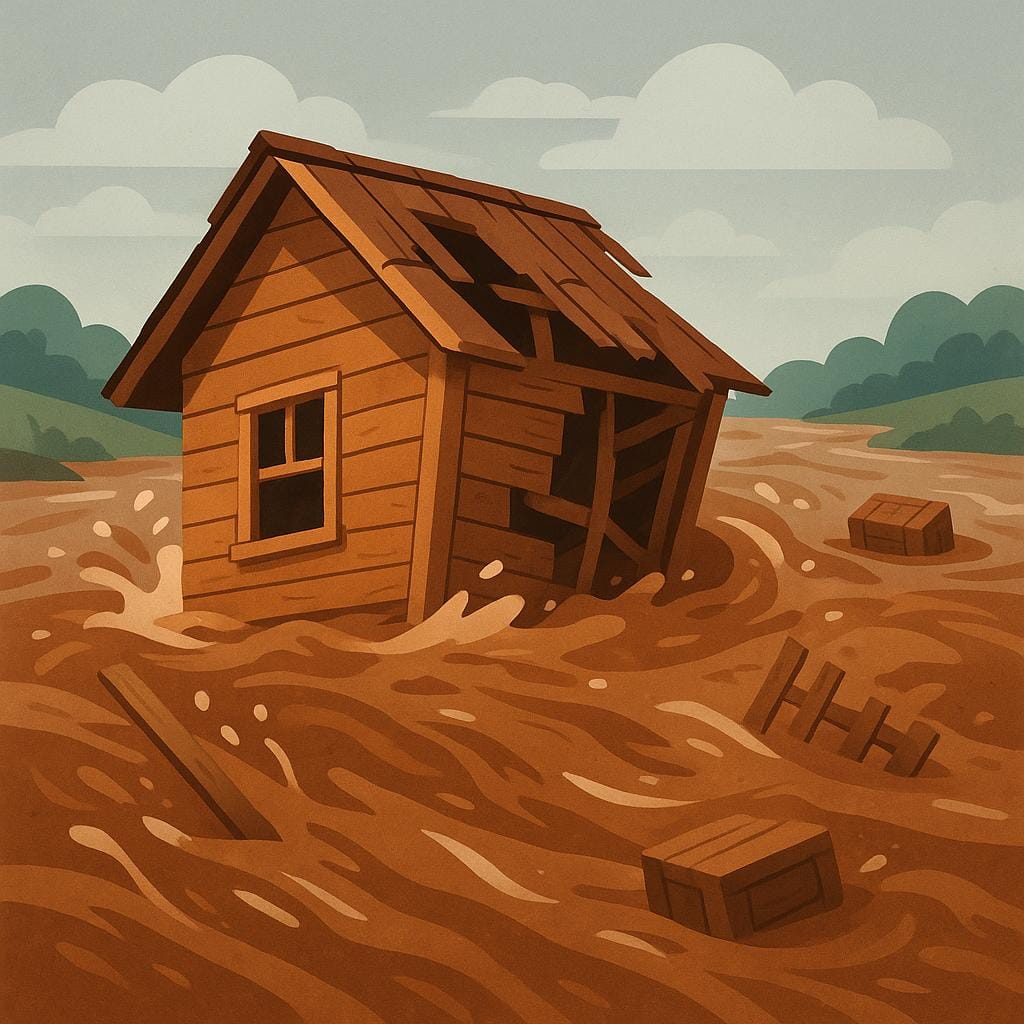
The most common Spanish word for “calamity” is “desastre” — use 'desastre' for general misfortunes or large-scale destructive events, often implying significant damage or loss.
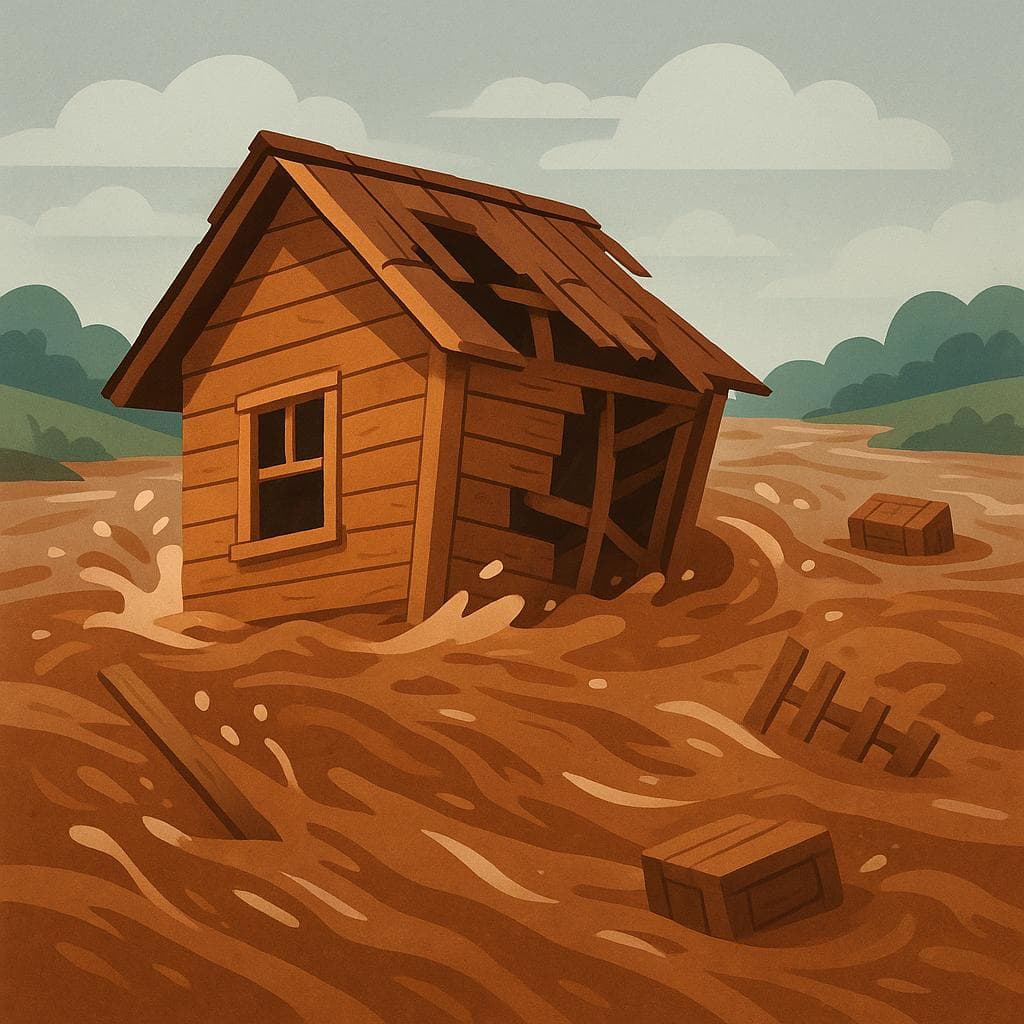

desastre
deh-SAHS-trehdeˈsastɾe
Examples
El terremoto causó un desastre natural en la región.
The earthquake caused a natural disaster in the region.
La reunión fue un completo desastre; nadie estaba preparado.
The meeting was a complete disaster; nobody was prepared.
Gender Check
Even though 'desastre' ends in an '-e,' it is always a masculine noun, meaning you must use 'el' or 'un' before it.
Confusing Gender
Mistake: “La desastre fue terrible.”
Correction: El desastre fue terrible. (Use the masculine article 'el'.)
desgracia
des-GRAH-syadesˈɣɾa.θja
Examples
Fue una desgracia que se perdieran todas las cosechas por la tormenta.
It was a misfortune that all the crops were lost due to the storm.
La familia sufrió una gran desgracia cuando se quemó su casa.
The family suffered a great tragedy when their house burned down.
¡Qué desgracia! Se me olvidaron las llaves dentro del coche.
What bad luck! I forgot my keys inside the car.
Using 'Por desgracia'
When you want to express the idea of 'unfortunately,' Spanish speakers use the fixed phrase 'por desgracia' (or the synonym 'desafortunadamente').
Confusing 'desgracia' and 'mala suerte'
Mistake: “Using 'desgracia' for minor bad luck (e.g., 'Perdí mi bus, ¡qué desgracia!').”
Correction: Use 'mala suerte' (bad luck) for small, everyday annoyances. 'Desgracia' usually refers to a serious accident or tragedy.
tragedia
trah-HEH-dee-ahtɾaˈxeðja

Examples
El accidente de tren fue una tragedia nacional.
The train accident was a national tragedy.
Fue una tragedia que el fuego destruyera la casa familiar.
It was a tragedy that the fire destroyed the family home.
Su muerte prematura es una gran tragedia para la comunidad.
His premature death is a great tragedy for the community.
Gender Check
Remember that 'tragedia' is a feminine noun, so you must use feminine articles and adjectives with it (e.g., 'la tragedia', 'una gran tragedia').
catástrofe
Examples
El terremoto de ayer fue una verdadera catástrofe para la ciudad.
Yesterday's earthquake was a true catastrophe for the city.
Desastre vs. Desgracia
Related Translations
Learn Spanish with Inklingo
Interactive stories, personalized learning, and more.