How to Say "catastrophe" in Spanish
The most common Spanish word for “catastrophe” is “desastre” — use 'desastre' for a general major tragedy or disaster, often implying widespread damage or suffering, and it's a very common, everyday term.
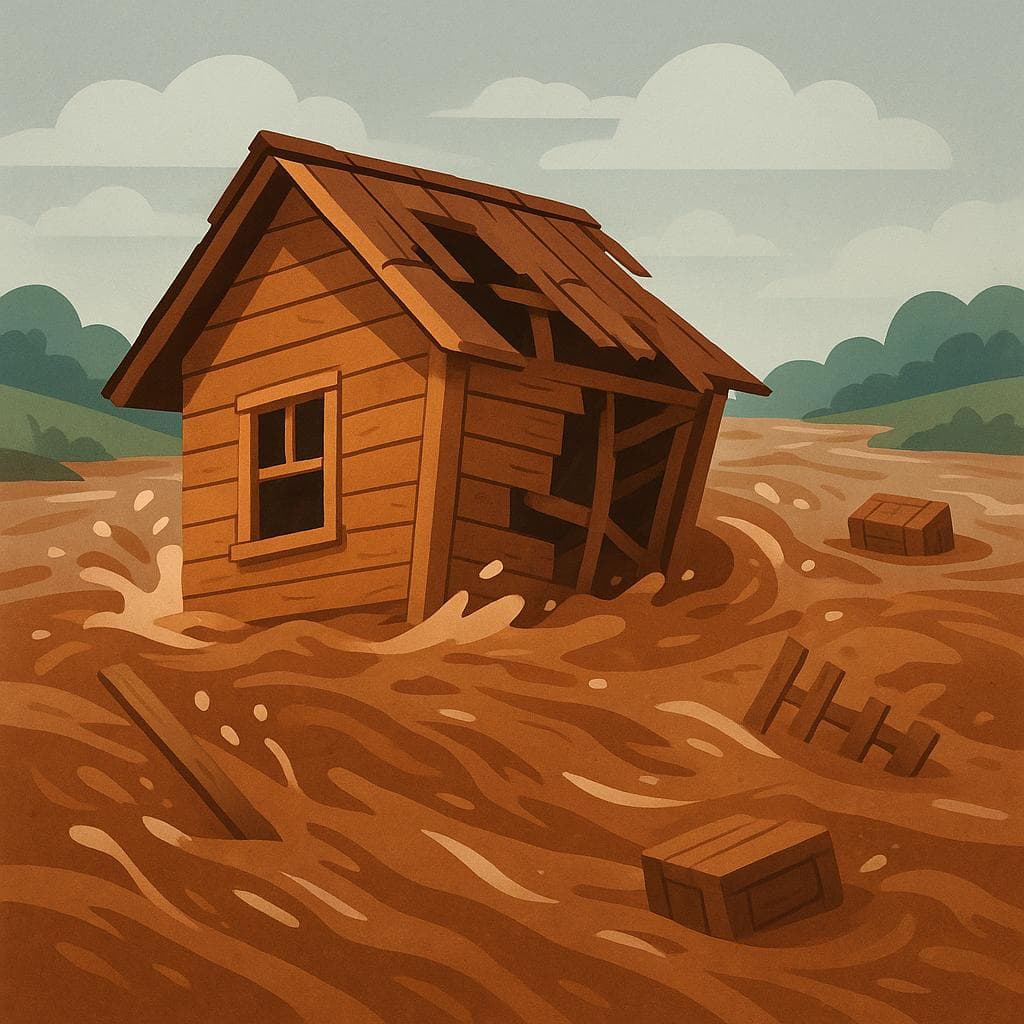
desastre
deh-SAHS-trehdeˈsastɾe
Examples
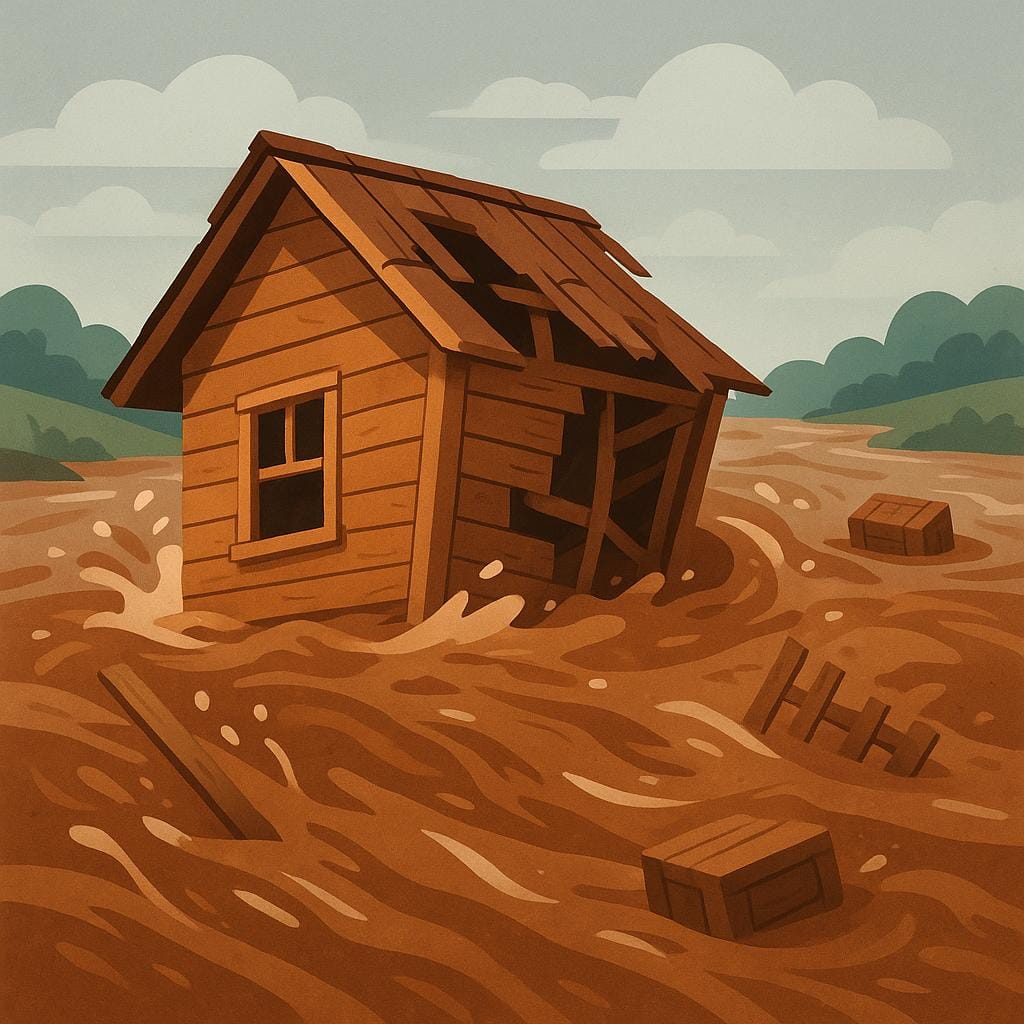
El huracán causó un gran desastre en la costa.
The hurricane caused a great disaster on the coast.
El terremoto causó un desastre natural en la región.
The earthquake caused a natural disaster in the region.
La reunión fue un completo desastre; nadie estaba preparado.
The meeting was a complete disaster; nobody was prepared.
Gender Check
Even though 'desastre' ends in an '-e,' it is always a masculine noun, meaning you must use 'el' or 'un' before it.
Confusing Gender
Mistake: “La desastre fue terrible.”
Correction: El desastre fue terrible. (Use the masculine article 'el'.)
catástrofe
Examples
La sequía provocó una catástrofe humanitaria.
The drought caused a humanitarian catastrophe.
Desastre vs. Catástrofe
Learn Spanish with Inklingo
Interactive stories, personalized learning, and more.