How to Say "disaster" in Spanish
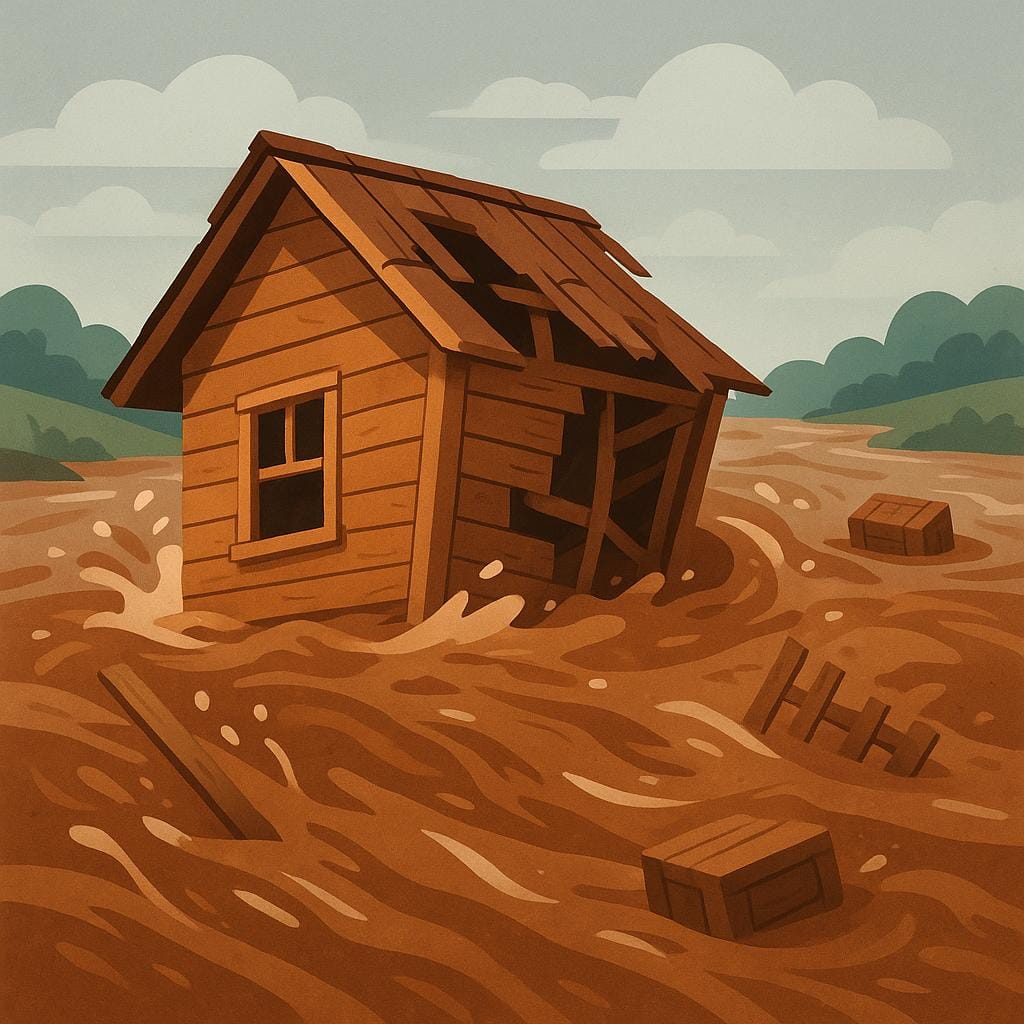
The most common Spanish word for “disaster” is “desastre” — use this word for a general natural catastrophe or a serious failure, often implying significant damage or loss.
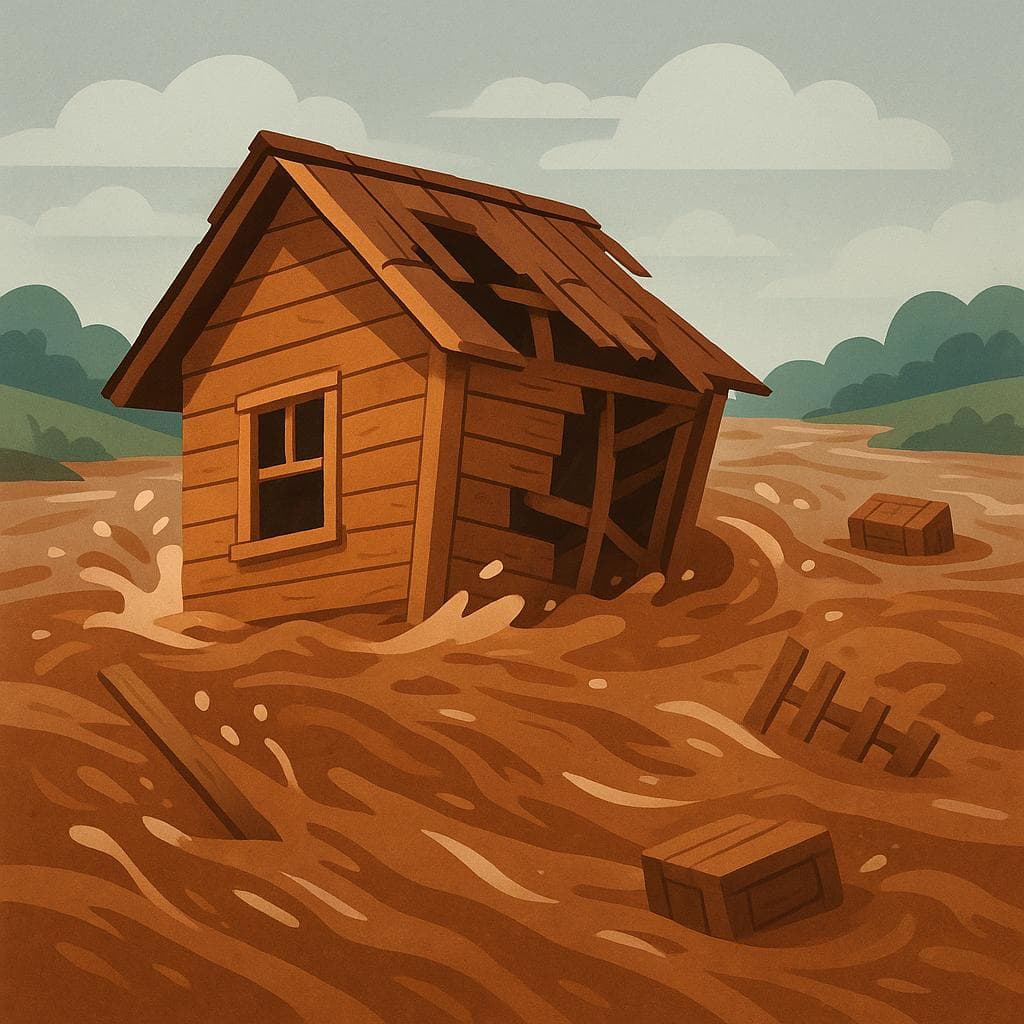

desastre
deh-SAHS-trehdeˈsastɾe
Examples
El huracán causó un gran desastre en la costa.
The hurricane caused a great disaster on the coast.
El terremoto causó un desastre natural en la región.
The earthquake caused a natural disaster in the region.
La reunión fue un completo desastre; nadie estaba preparado.
The meeting was a complete disaster; nobody was prepared.
Gender Check
Even though 'desastre' ends in an '-e,' it is always a masculine noun, meaning you must use 'el' or 'un' before it.
Confusing Gender
Mistake: “La desastre fue terrible.”
Correction: El desastre fue terrible. (Use the masculine article 'el'.)
catástrofe
Examples
La sequía prolongada se convirtió en una catástrofe humanitaria.
The prolonged drought turned into a humanitarian catastrophe.
tragedia
trah-HEH-dee-ahtɾaˈxeðja

Examples
La pérdida de vidas en el incendio fue una terrible tragedia.
The loss of life in the fire was a terrible tragedy.
El accidente de tren fue una tragedia nacional.
The train accident was a national tragedy.
Fue una tragedia que el fuego destruyera la casa familiar.
It was a tragedy that the fire destroyed the family home.
Su muerte prematura es una gran tragedia para la comunidad.
His premature death is a great tragedy for the community.
Gender Check
Remember that 'tragedia' is a feminine noun, so you must use feminine articles and adjectives with it (e.g., 'la tragedia', 'una gran tragedia').
ruina
RWE-nahˈrwi.na
Examples
Después de la inversión fallida, su negocio quedó en la ruina.
After the failed investment, his business was in ruins.
Mi viejo móvil es una ruina, la batería dura dos horas.
My old phone is a disaster/wreck; the battery only lasts two hours.
¡Qué ruina de fin de semana! Llovió sin parar.
What a disaster of a weekend! It rained non-stop.
Desastre vs. Catástrofe
Related Translations
Learn Spanish with Inklingo
Interactive stories, personalized learning, and more.