How to Say "chore" in Spanish
The most common Spanish word for “chore” is “tarea” — use 'tarea' for a specific, often assigned, household duty or a school assignment that needs to be completed.

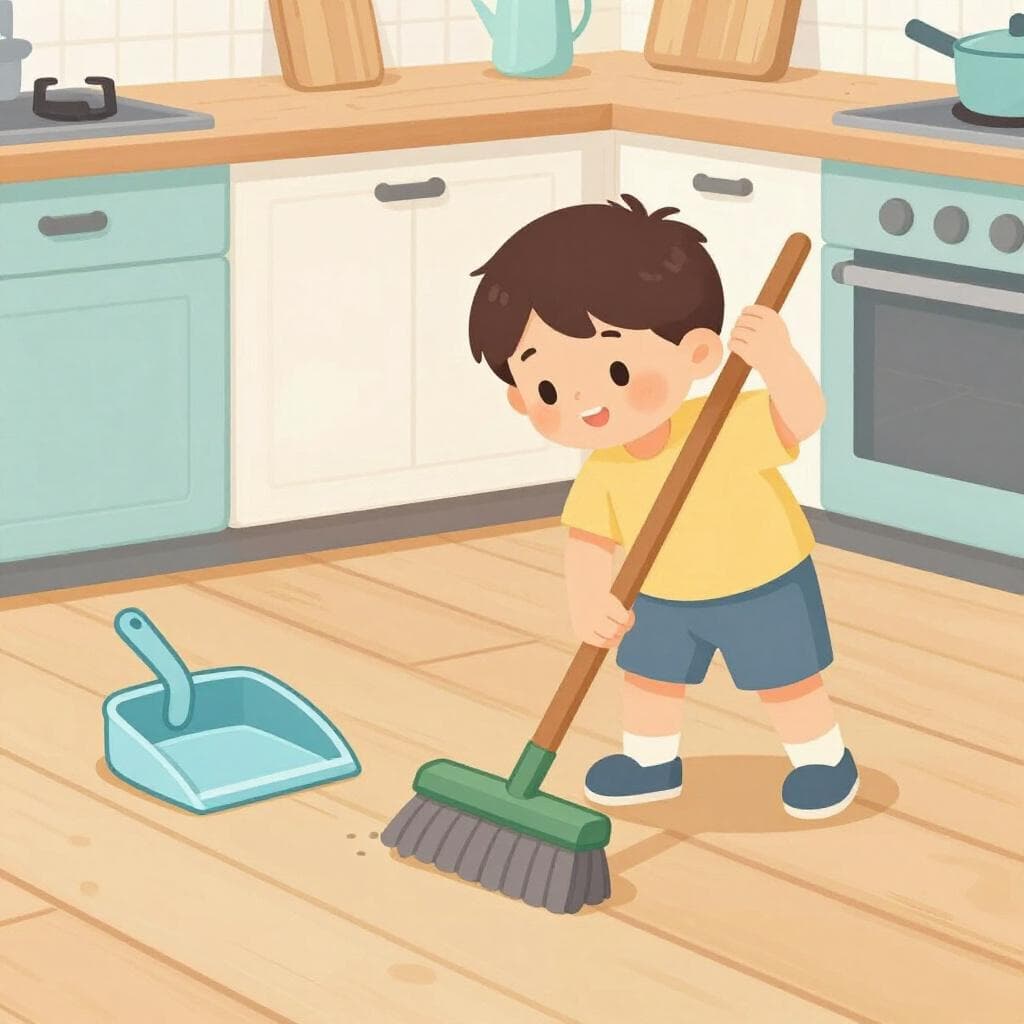
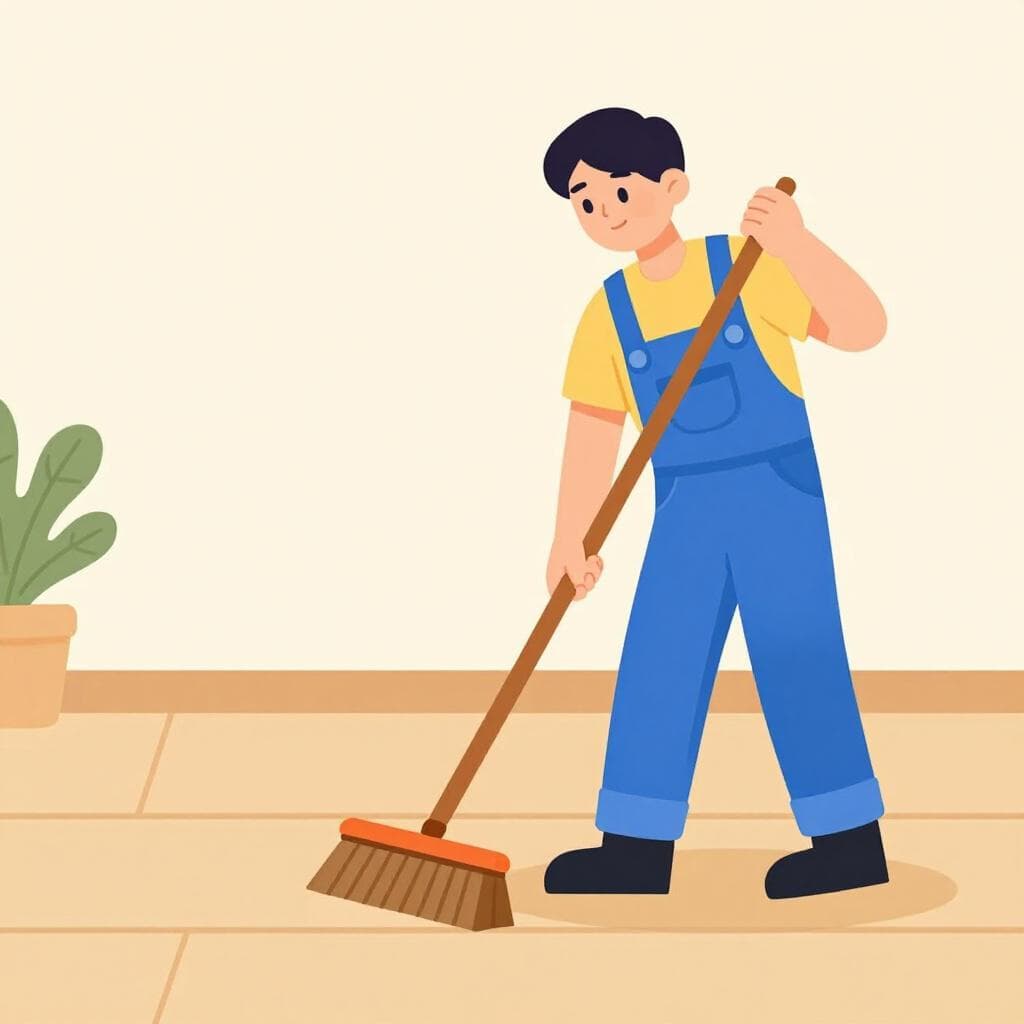


tarea
tah-REH-ahtaˈɾea

Examples
Mi tarea de hoy es llamar al banco y pagar las cuentas.
My task today is to call the bank and pay the bills.
Las tareas domésticas son responsabilidad de todos en la casa.
Household chores are everyone's responsibility in the house.
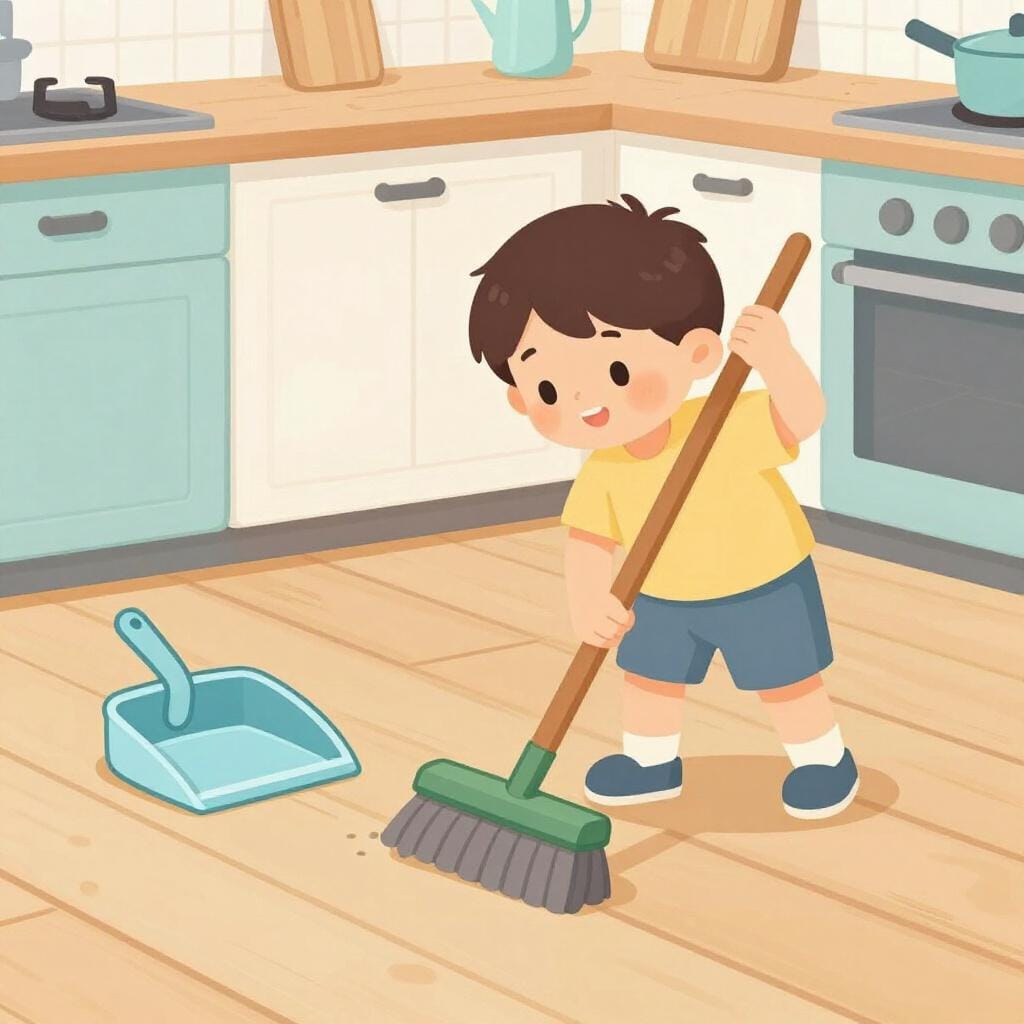
quehacer
keh-ah-sehrkeaˈser
Examples
Tengo muchos quehaceres domésticos hoy.
I have many household chores today.
El quehacer diario puede ser agotador.
The daily grind (daily tasks) can be exhausting.
Cada uno debe atender su propio quehacer.
Everyone should attend to their own business/tasks.
A Compound Word
This word is literally made by combining 'que' (what) and 'hacer' (to do). It describes the 'what-to-do' list of your day.
Commonly Plural
While you can use the singular form, you will most often hear it in the plural: 'los quehaceres.' This is similar to how we often say 'chores' in English.
Don't confuse with the verb
Mistake: “Tengo que quehacer.”
Correction: Tengo que hacer (I have to do) or Tengo quehaceres (I have chores).
faena
fah-EH-nahfaˈena
Examples
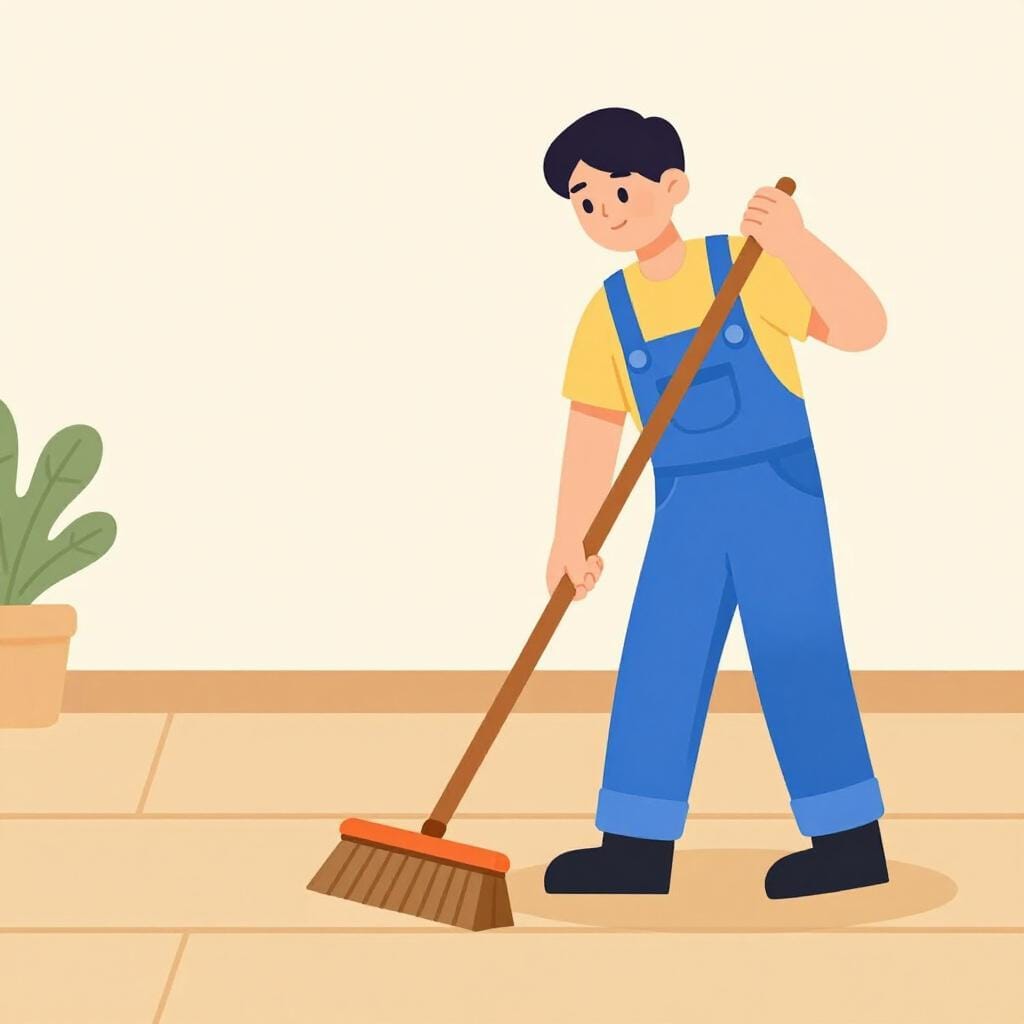
Terminé todas mis faenas domésticas antes del mediodía.
I finished all my household chores before noon.
Es una faena pesada pero hay que hacerla.
It's a heavy task, but it has to be done.
Los agricultores comienzan su faena muy temprano.
The farmers begin their work very early.
Faena vs. Tarea
While both mean 'task,' 'faena' often implies physical effort or manual labor, whereas 'tarea' is more general and used for schoolwork or digital tasks.
Plurality
Mistake: “Mucho faena”
Correction: Mucha faena (it is a feminine noun, so the word for 'much' must end in 'a').
mandado
man-DAH-dohmanˈdaðo

Examples
Necesito hacer un mandado rápido a la farmacia.
I need to run a quick errand to the pharmacy.
El niño se fue a entregar el mandado a casa de la vecina.
The boy went to deliver the message/goods to the neighbor's house.
Ya compré todo el mandado, solo falta guardarlo.
I already bought all the groceries, I just need to put them away.
Always Masculine
Even though 'errand' is a concept, mandado is a masculine noun, so use the article el or un.
Using the wrong verb
Mistake: “Voy a correr un mandado.”
Correction: Voy a hacer un mandado. (Use *hacer* 'to do/make', not *correr* 'to run', when describing the action of the errand.)
recado
reh-KAH-dohreˈkaðo

Examples
Tengo que salir a hacer unos recados.
I have to go out to run some errands.
Mi abuela me mandó a un recado a la farmacia.
My grandmother sent me on an errand to the pharmacy.
Fui por el mandado y otros recados pendientes.
I went for the groceries and other pending errands.
Doing vs. Making
Always use the verb 'hacer' with 'recados' when you mean running errands. It functions just like 'doing' chores in English.
Confusing Message and Errand
Mistake: “Saying 'hacer un recado' when you want to leave a phone message.”
Correction: Say 'dejar un recado' for a message and 'hacer un recado' for an errand. The verb completely changes what you are doing!
actividad
ahk-tee-bee-DAHDak.ti.βiˈðað
Examples
Mi actividad favorita es leer novelas de misterio.
My favorite activity is reading mystery novels.
Tenemos muchas actividades escolares planeadas para este mes.
We have many school activities planned for this month.
Siempre hago actividad física por las mañanas.
I always do physical activity in the mornings.
Always Feminine
This word is always feminine, so you must use 'la' or 'una' with it, not 'el' or 'un'. This is true for almost all Spanish words ending in -dad.
Chores vs. Errands
Related Translations
Learn Spanish with Inklingo
Interactive stories, personalized learning, and more.