How to Say "task" in Spanish
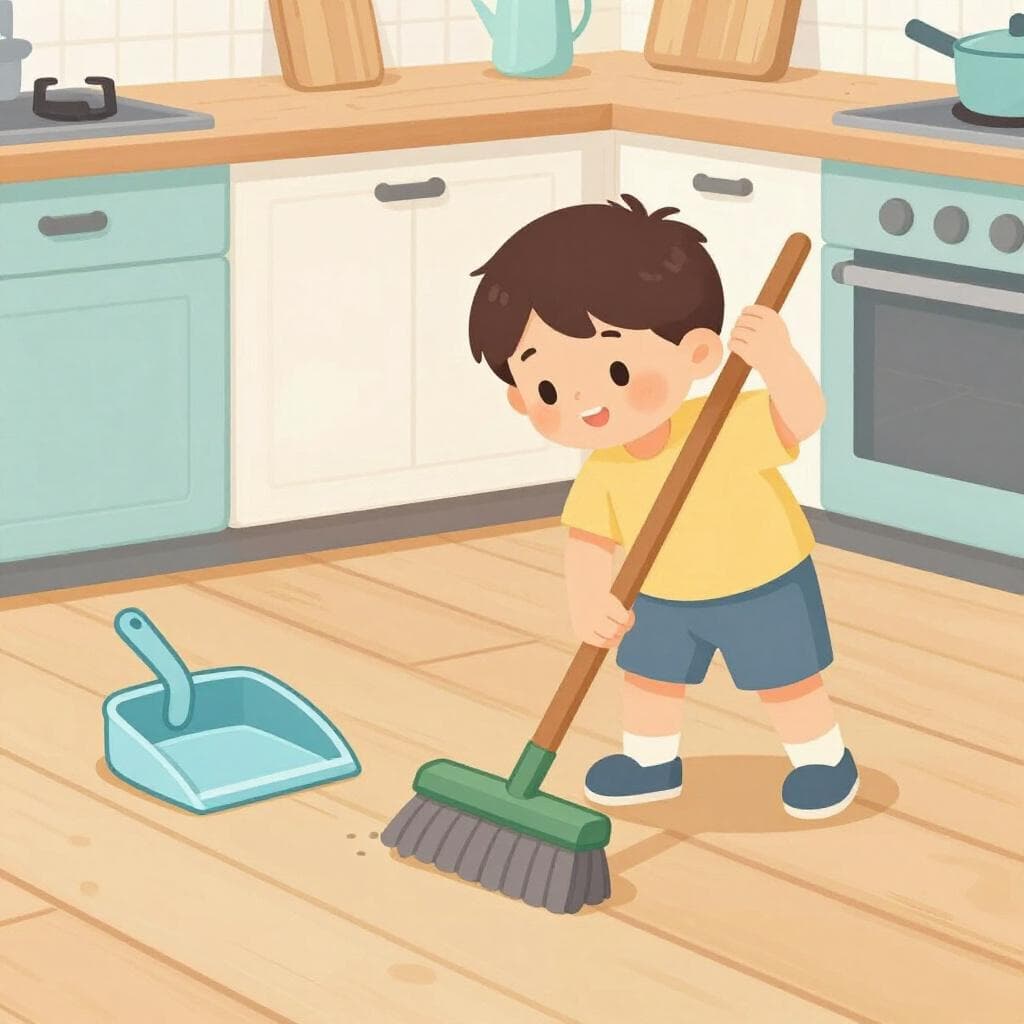
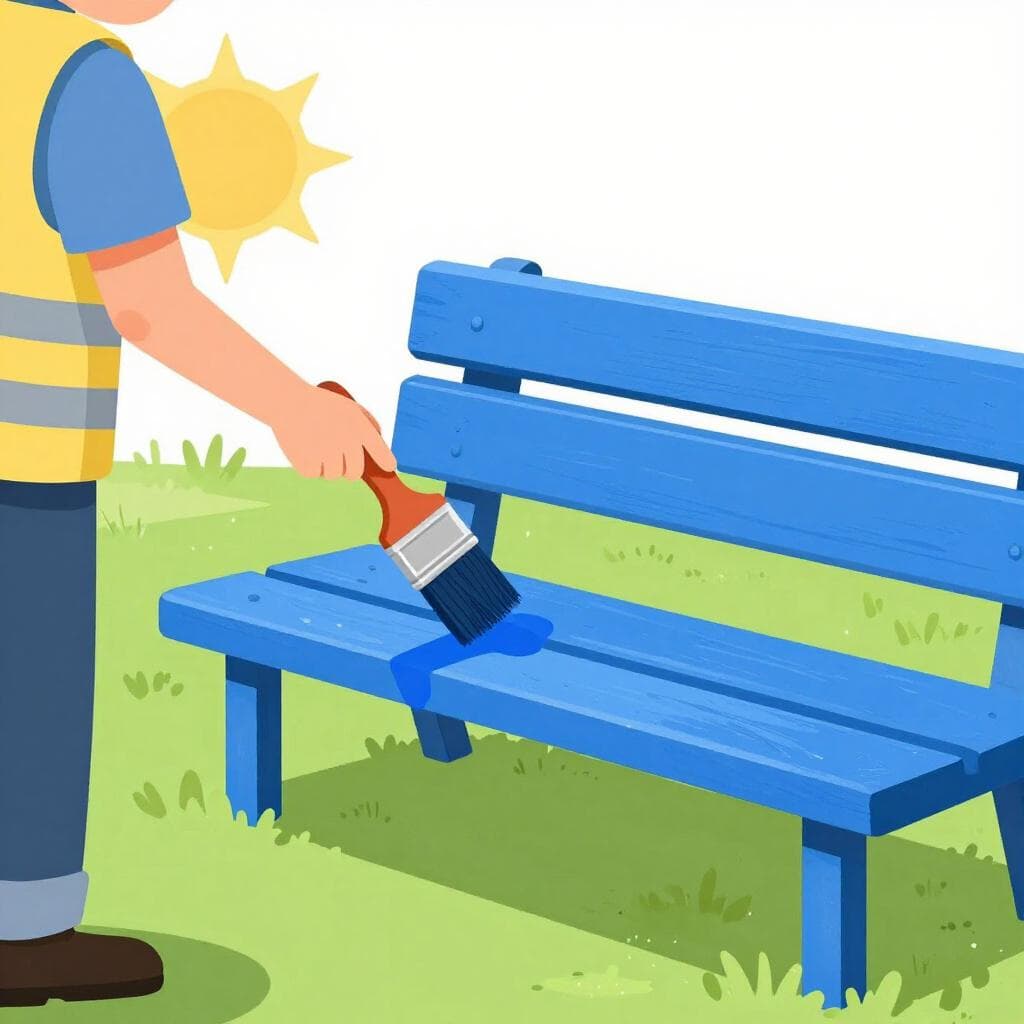
The most common Spanish word for “task” is “tarea” — use 'tarea' for a specific job or chore, often something assigned, like homework or a household duty.




tarea
tah-REH-ahtaˈɾea

Examples
Mi tarea de hoy es llamar al banco y pagar las cuentas.
My task today is to call the bank and pay the bills.
Las tareas domésticas son responsabilidad de todos en la casa.
Household chores are everyone's responsibility in the house.
asignación
Examples
Tengo una nueva asignación en mi clase de español.
I have a new assignment in my Spanish class.
comisión
Examples
Tengo que hacer una comisión al centro antes de comer.
I have to run an errand downtown before lunch.
faena
fah-EH-nahfaˈena

Examples
Terminé todas mis faenas domésticas antes del mediodía.
I finished all my household chores before noon.
Es una faena pesada pero hay que hacerla.
It's a heavy task, but it has to be done.
Los agricultores comienzan su faena muy temprano.
The farmers begin their work very early.
Faena vs. Tarea
While both mean 'task,' 'faena' often implies physical effort or manual labor, whereas 'tarea' is more general and used for schoolwork or digital tasks.
Plurality
Mistake: “Mucho faena”
Correction: Mucha faena (it is a feminine noun, so the word for 'much' must end in 'a').
quehacer
keh-ah-sehrkeaˈser

Examples
Tengo muchos quehaceres domésticos hoy.
I have many household chores today.
El quehacer diario puede ser agotador.
The daily grind (daily tasks) can be exhausting.
Cada uno debe atender su propio quehacer.
Everyone should attend to their own business/tasks.
A Compound Word
This word is literally made by combining 'que' (what) and 'hacer' (to do). It describes the 'what-to-do' list of your day.
Commonly Plural
While you can use the singular form, you will most often hear it in the plural: 'los quehaceres.' This is similar to how we often say 'chores' in English.
Don't confuse with the verb
Mistake: “Tengo que quehacer.”
Correction: Tengo que hacer (I have to do) or Tengo quehaceres (I have chores).
encargo
en-CAR-goenˈkaɾ.ɣo

Examples
Mi jefe me dio el encargo de organizar la reunión.
My boss gave me the assignment of organizing the meeting.
¿Puedes hacer un encargo por mí? Necesito ir al banco.
Can you run an errand for me? I need to go to the bank.
El pintor terminó el encargo de la familia real.
The painter finished the commission for the royal family.
Masculine Noun Rule
Since 'encargo' ends in -o, it is a masculine noun. Always use the masculine article 'el' or 'un' with it.
Confusing 'encargo' and 'cargo'
Mistake: “Using 'cargo' (position/job title) when you mean 'encargo' (specific task).”
Correction: If you are talking about a specific duty or task, use 'encargo'. If you are talking about a permanent job title (like 'manager'), use 'cargo'.
labor
lah-BOHRlaˈβoɾ
Examples
Su labor en la comunidad es admirable.
Their work in the community is admirable.
Es una labor difícil pero muy necesaria.
It is a difficult but very necessary task.
Reconocieron la labor de los científicos durante la crisis.
They recognized the work of the scientists during the crisis.
Unexpected Gender
Even though this word ends in '-r' (which is usually for masculine words), 'labor' is feminine. You must say 'la labor' or 'una labor'.
Labor vs. Trabajo
Use 'trabajo' for your job or workplace. Use 'labor' for the specific effort, the impact of your work, or a humanitarian mission.
Gender confusion
Mistake: “Me gusta el labor que haces.”
Correction: Me gusta la labor que haces. 'Labor' is always feminine in Spanish.
cometido
ko-me-TEE-doko.meˈti.ðo

Examples
El principal cometido de la empresa es innovar.
The company's main mission is to innovate.
Nuestro cometido en esta reunión es tomar una decisión final.
Our task in this meeting is to make a final decision.
Fallaron en su cometido y perdieron el partido.
They failed in their objective and lost the game.
Gender Check
Remember this noun is masculine: el cometido. It never changes form.
ocupación
Examples
Tengo muchas ocupaciones esta semana.
I have many things to do this week.
Tarea vs. Asignación
Related Translations
Learn Spanish with Inklingo
Interactive stories, personalized learning, and more.