lastima
“lastima” means “hurts” in Spanish. It has 2 different meanings depending on context:


hurts, injuresAlso: damages

📝 In Action
El zapato me lastima el talón.
A2The shoe hurts my heel.
¡Cuidado! Esa caja pesa mucho y lastima la espalda.
B1Careful! That box is very heavy and hurts your back.
Word Connections
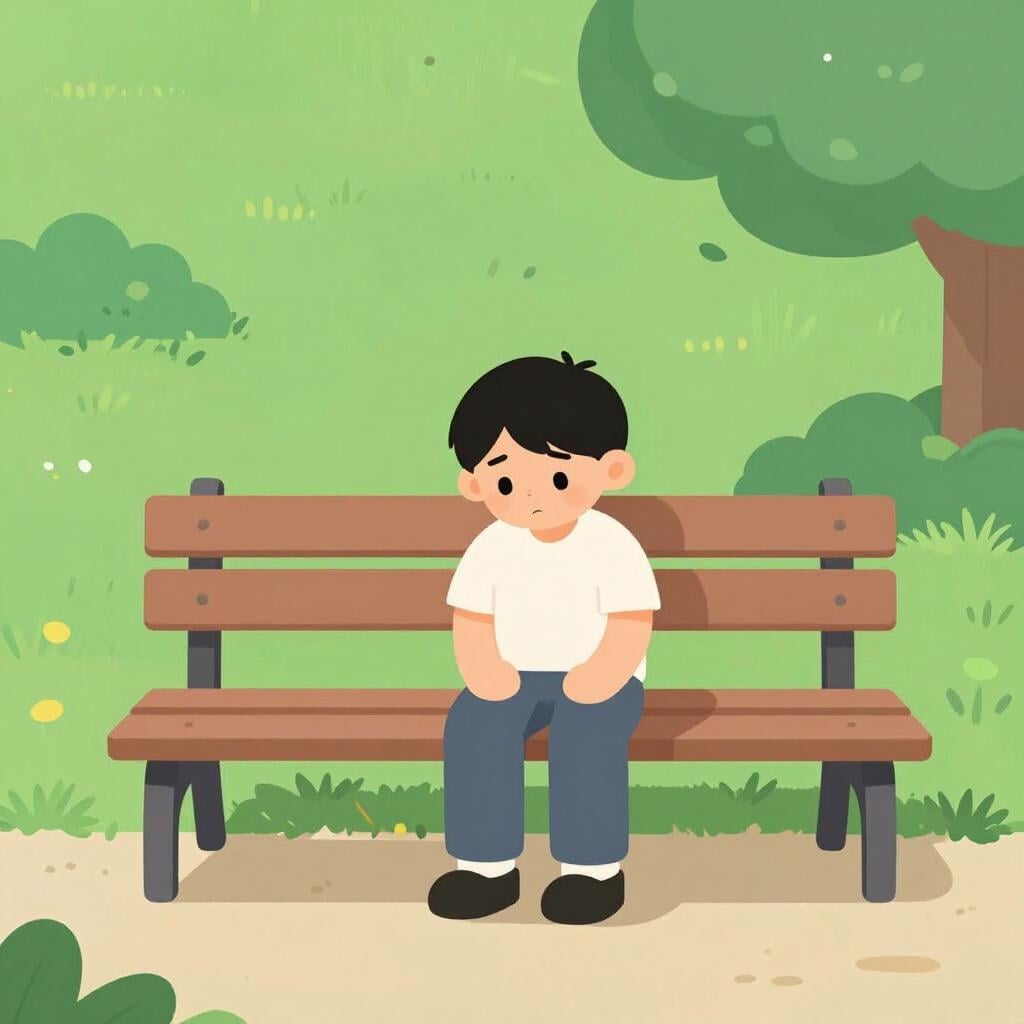
hurts feelings, offends
📝 In Action
Tu indiferencia me lastima.
B1Your indifference hurts me.
Él no se da cuenta, pero su tono de voz lastima a los demás.
B2He doesn't realize it, but his tone of voice hurts others.
Word Connections
Subjunctive
Imperfect Subjunctive
Present Subjunctive
Indicative
Preterite
Imperfect
Present
Translate to Spanish
Words that translate to "lastima" in Spanish:
✏️ Quick Practice
Quick Quiz: lastima
Question 1 of 1
Which sentence means 'The bright light hurts my eyes'?
📚 More Resources
👥 Word Family
📚 Etymology
From the Latin word 'laestimare', which originally meant to value or appraise something. Over time, the meaning shifted from 'appraising' to 'wrongfully appraising' and eventually to causing damage or pain.
First recorded: 13th century
Cognates (Related words)
💡 Master Spanish
Take your Spanish to the next level. Read 200+ illustrated and narrated Spanish stories tailored to your level with the Inklingo app!
Frequently Asked Questions
Does 'lastima' always mean physical pain?
No, it is very frequently used for emotional pain, such as when someone's words or lack of attention cause sadness.
Is 'lastima' the same as 'me duele'?
Not exactly. 'Me duele' means 'it is painful to me' (the sensation), while 'me lastima' usually implies that something is actively causing the pain or injury.