curar
“curar” means “to cure” in Spanish. It has 3 different meanings depending on context:

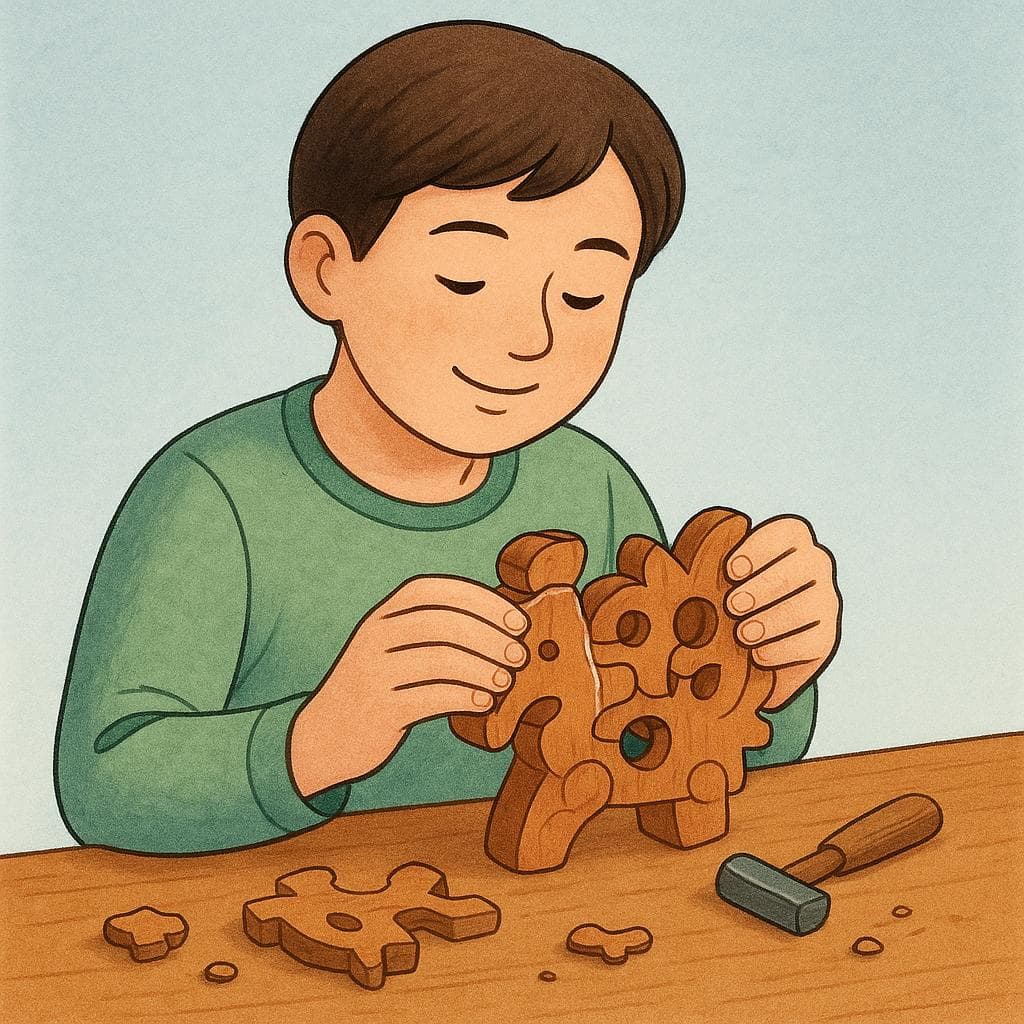

to cure, to healAlso: to treat

📝 In Action
El médico curó la infección con antibióticos.
A1The doctor cured the infection with antibiotics.
Necesitas curar esa herida para que no se infecte.
A2You need to heal that wound so it doesn't get infected.
El niño se curó de la gripe muy rápido.
A2The child recovered (healed himself) from the flu very quickly.
Word Connections
to remedy, to sootheAlso: to mend

📝 In Action
El tiempo cura todas las penas.
B1Time heals all sorrows.
Esperamos que este acuerdo cure las tensiones entre las naciones.
B2We hope this agreement remedies the tensions between the nations.
Word Connections
to cure, to ageAlso: to preserve

📝 In Action
El jamón serrano debe curarse durante muchos meses.
B2Serrano ham must be cured for many months.
Están curando el queso en una cueva fría.
B2They are aging the cheese in a cold cave.
Word Connections
Indicative
Present
Imperfect
Preterite
Subjunctive
Present Subjunctive
Imperfect Subjunctive
Translate to Spanish
✏️ Quick Practice
Quick Quiz: curar
Question 1 of 2
Which sentence uses 'curar' in the culinary sense?
📚 More Resources
👥 Word Family
📚 Etymology
Comes from the Latin verb *curare*, which meant 'to care for,' 'to look after,' or 'to attend to.' This original meaning clearly connects to both healing the sick and taking care to preserve food.
First recorded: Before 1000 AD (Old Spanish)
Cognates (Related words)
💡 Master Spanish
Take your Spanish to the next level. Read 200+ illustrated and narrated Spanish stories tailored to your level with the Inklingo app!
Frequently Asked Questions
¿Cuál es la diferencia entre 'curar' y 'sanar'?
Both mean 'to heal' or 'to cure.' 'Curar' often emphasizes the action taken by a doctor or treatment (someone cures something). 'Sanar' often emphasizes the natural process of recovery or getting well (the wound heals itself). They are often interchangeable, but 'curar' is more widely used for medical intervention.
Does 'curar' always require an object?
If you are actively curing a disease or a person, yes (curar la enfermedad). But when you talk about recovery, you use the reflexive form 'curarse,' where the subject is also the object (Me curé, I cured myself/recovered).