ofender
“ofender” means “to offend” in Spanish. It has 2 different meanings depending on context:
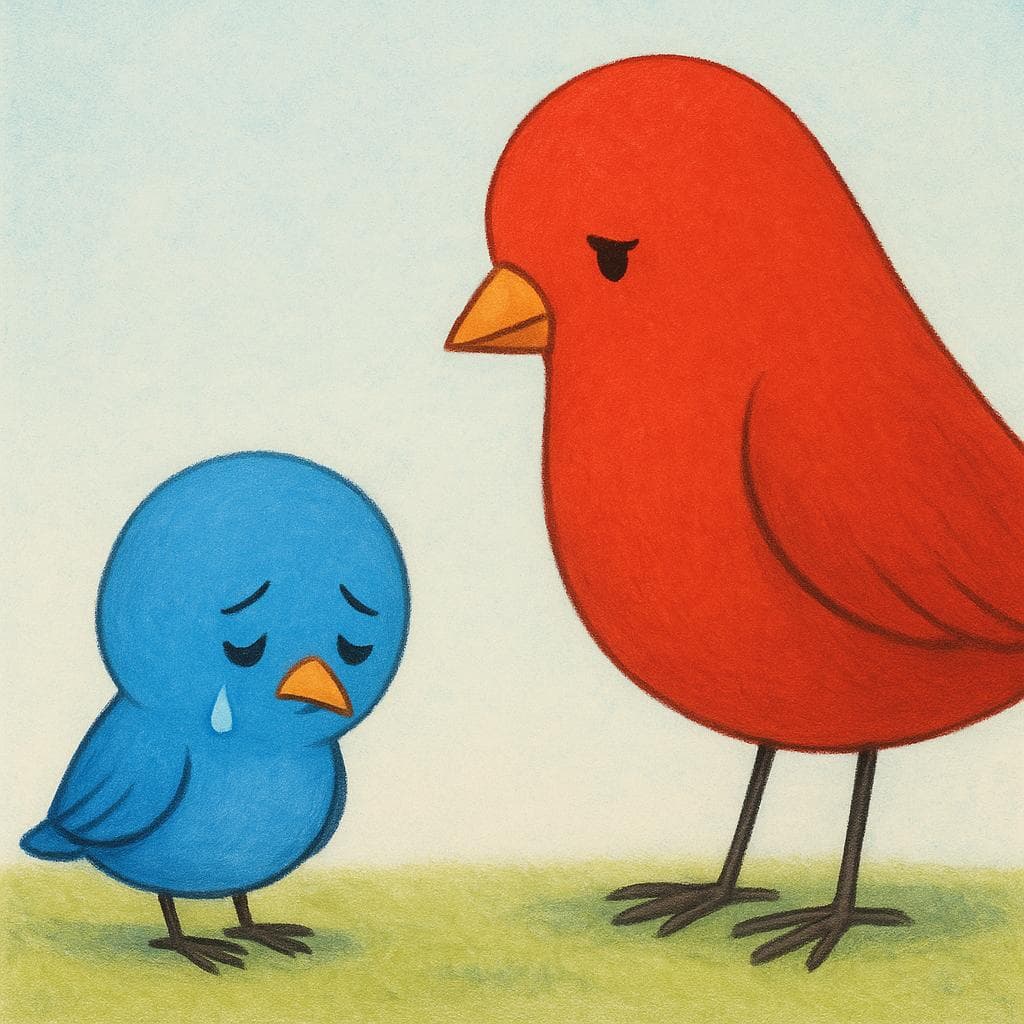

to offend, to insultAlso: to displease
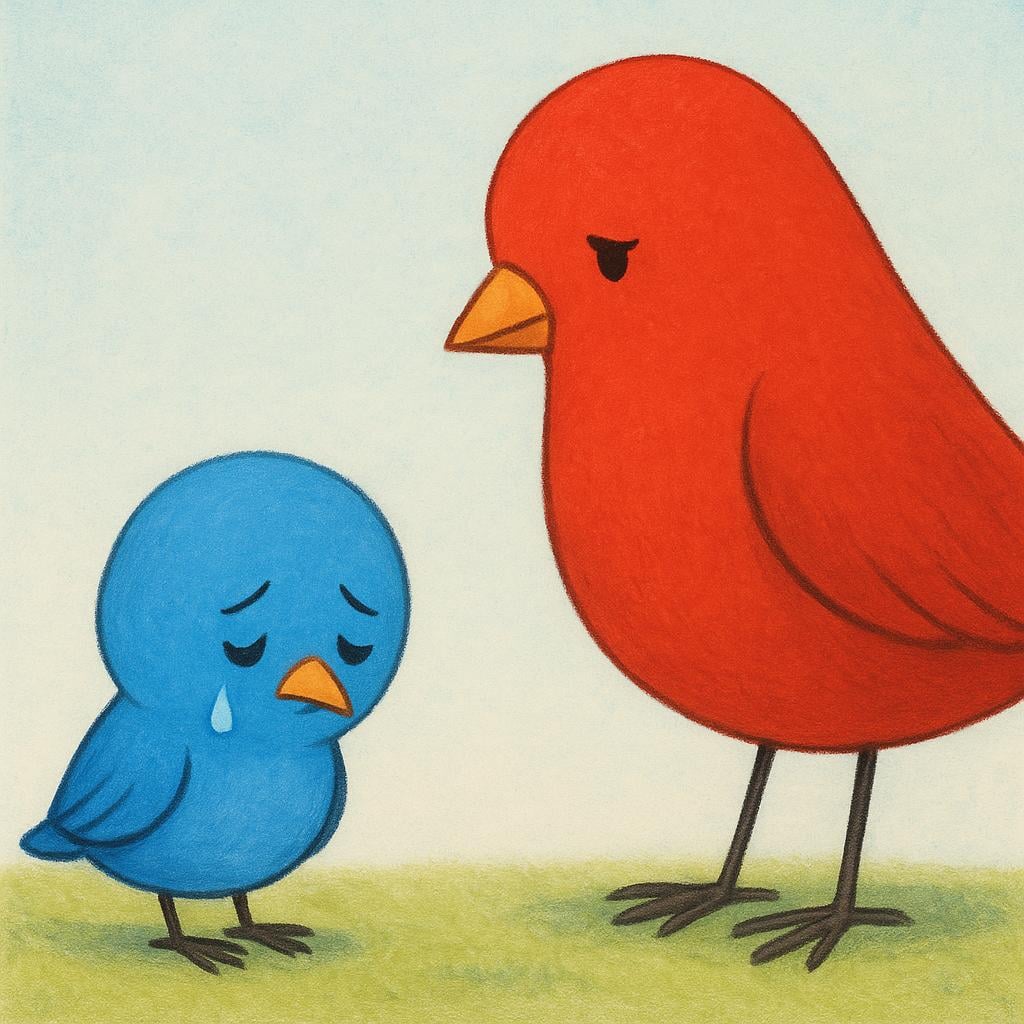
📝 In Action
No quise ofenderte, solo expresé mi opinión.
A2I didn't mean to offend you, I just expressed my opinion.
Es fácil ofender a la gente si no piensas antes de hablar.
B1It's easy to offend people if you don't think before speaking.
El chiste ofendió a la mitad de la audiencia.
B1The joke offended half of the audience.
Word Connections
to violate, to breakAlso: to transgress

📝 In Action
El conductor fue multado por ofender las normas de tráfico.
B2The driver was fined for violating the traffic rules.
La empresa fue acusada de ofender los derechos laborales.
C1The company was accused of violating labor rights.
Word Connections
Indicative
Present
Imperfect
Preterite
Subjunctive
Present Subjunctive
Imperfect Subjunctive
Translate to Spanish
Words that translate to "ofender" in Spanish:
✏️ Quick Practice
Quick Quiz: ofender
Question 1 of 2
¿Cuál es la forma más común de decir 'She got offended'?
📚 More Resources
👥 Word Family
📚 Etymology
Comes from the Latin verb *offendere*, which originally meant 'to strike against' or 'to stumble.' This root explains both modern meanings: striking against someone's feelings, or striking against a rule.
First recorded: 13th century
Cognates (Related words)
💡 Master Spanish
Take your Spanish to the next level. Read 200+ illustrated and narrated Spanish stories tailored to your level with the Inklingo app!
Frequently Asked Questions
What is the difference between 'ofender' and 'insultar'?
'Ofender' is broader; it means to hurt someone's feelings, whether intentionally or accidentally. 'Insultar' is more direct and usually means to use rude words specifically intended to attack or disrespect someone.
Why is 'ofenderse' so important?
Because Spanish speakers rarely use the simple verb 'ofender' to talk about themselves or others feeling hurt. They almost always use 'ofenderse' (the reflexive form) to show the person is the one experiencing the offense.