Inklingo

herir

/eh-REER/

to wound

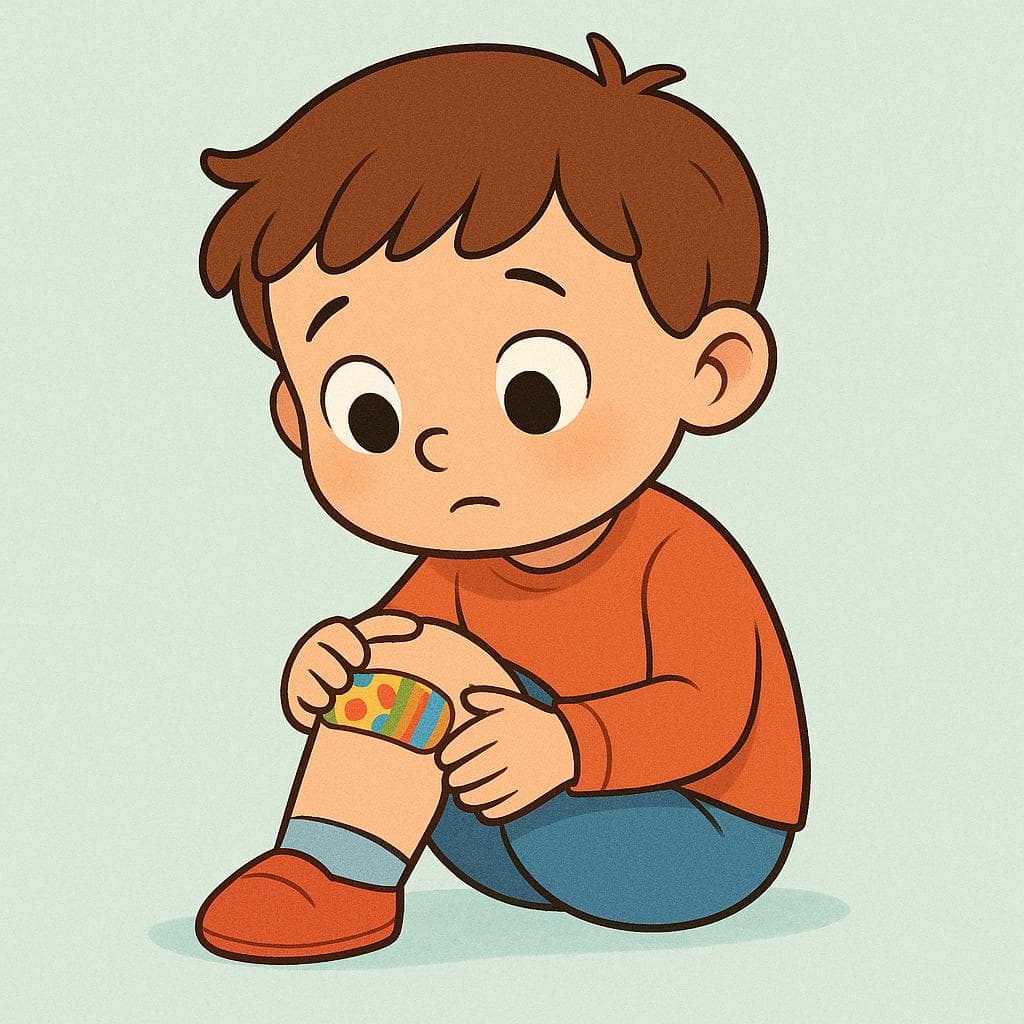
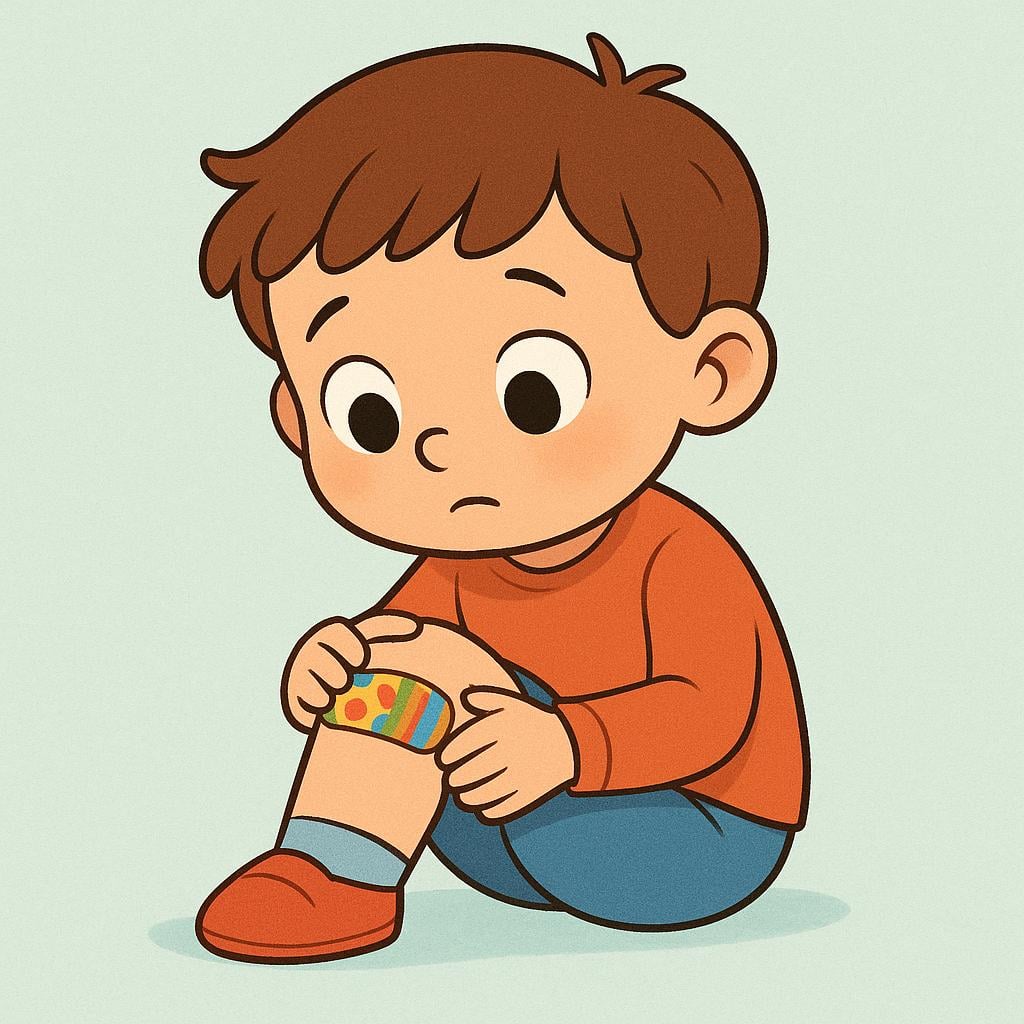
A high quality simple colorful storybook illustration showing a small cartoon child character holding a knee with a colorful bandage on it, signifying a physical wound.

When you cause a physical injury, you 'herir' (wound) someone.

herir(Verb)

A2irregular (e>ie stem change) ir

to wound

?

to cause a physical injury

,

to injure

?

to cause physical harm

Also:

to hurt

?

general physical harm

📝 In Action

El accidente hirió a tres personas gravemente.

A2

The accident injured three people seriously.

No quiero herirte con esta aguja.

B1

I don't want to wound you with this needle.

La bala le hirió el hombro.

B2

The bullet wounded his shoulder.

Word Connections

Synonyms

Antonyms

  • curar (to heal)
  • sanar (to cure)

Common Collocations

  • herir de gravedadto seriously wound
  • herir con arma blancato wound with a knife/blade

💡 Grammar Points

The 'e' to 'ie' Change

This verb is irregular. In the present tense, the 'e' changes to 'ie' in all forms except 'nosotros' and 'vosotros'. Remember: 'hiero' (I wound) but 'herimos' (we wound).

The 'e' to 'i' Change in the Past

In the simple past (preterite), the third-person forms change 'e' to 'i': 'él hirió' (he wounded) and 'ellos hirieron' (they wounded). This is a common pattern for many 'ir' stem-changing verbs.

❌ Common Pitfalls

Forgetting the Stem Change

Mistake: "Yo herro (I wound)"

Correction: Yo hiero. The 'e' must change to 'ie' in the present tense 'boot' forms.

⭐ Usage Tips

Using 'Se' for Accidents

To describe an accidental injury where the person is the victim, use the passive 'se': 'Se hirió la pierna' (He/She injured their leg).

A high quality simple colorful storybook illustration of a sad cartoon character sitting alone, holding a small, visibly cracked red heart shape in their hands, symbolizing emotional pain.

When words cause emotional pain, you 'herir' (hurt feelings).

herir(Verb)

B1irregular (e>ie stem change) ir

to hurt (feelings)

?

emotional pain

,

to offend

?

to cause insult or upset

Also:

to wound (pride/honor)

?

figurative injury

📝 In Action

Sus comentarios hirieron mi orgullo profundamente.

B1

His comments wounded my pride deeply.

No quería herir tus sentimientos, solo dije la verdad.

B2

I didn't want to hurt your feelings, I just told the truth.

Word Connections

Synonyms

  • ofender (to offend)
  • humillar (to humiliate)

Antonyms

  • felicitar (to congratulate)

Common Collocations

  • herir la dignidadto hurt/damage one's dignity
  • herir el honorto wound one's honor

💡 Grammar Points

Direct Action on Feelings

Unlike the verb 'doler' (which means 'to ache' and works like 'gustar'), 'herir' is a direct action verb. You 'herir' someone or something (their feelings, their pride).

⭐ Usage Tips

Use with Esteem

This verb is often used when discussing damage to reputation, pride, or self-esteem, emphasizing the severity of the emotional harm.

🔄 Conjugations

indicative

present

nosotrosherimos
hieres
él/ella/ustedhiere
yohiero
vosotrosherís
ellos/ellas/ustedeshieren

imperfect

nosotrosheríamos
herías
él/ella/ustedhería
yohería
vosotrosheríais
ellos/ellas/ustedesherían

preterite

nosotrosherimos
heriste
él/ella/ustedhirió
yoherí
vosotrosheristeis
ellos/ellas/ustedeshirieron

subjunctive

present

nosotroshiramos
hieras
él/ella/ustedhiera
yohiera
vosotroshiráis
ellos/ellas/ustedeshieran

imperfect

nosotroshiriéramos
hirieras
él/ella/ustedhiriera
yohiriera
vosotroshirierais
ellos/ellas/ustedeshirieran

✏️ Quick Practice

💡 Quick Quiz: herir

Question 1 of 2

Which sentence correctly uses the present tense 'yo' form of herir?

📚 More Resources

Frequently Asked Questions

What is the difference between 'herir' and 'doler'?

'Herir' means 'to wound' or 'to injure'—it is an action that someone or something *does* to cause harm (physical or emotional). 'Doler' means 'to ache' or 'to hurt'—it describes the *feeling* of pain that results, and it works like the verb 'gustar' (Me duele la cabeza = My head hurts me).

Is 'herir' always used for serious injuries?

Not always. While it implies an injury or wound (like a cut or a bruise), it can also be used figuratively for minor emotional upsets, though 'lastimar' is often preferred for less serious physical hurts.