How to Say "compassion" in Spanish
The most common Spanish word for “compassion” is “compasión” — use this word for a general, deep feeling of sympathy and concern for someone who is suffering.


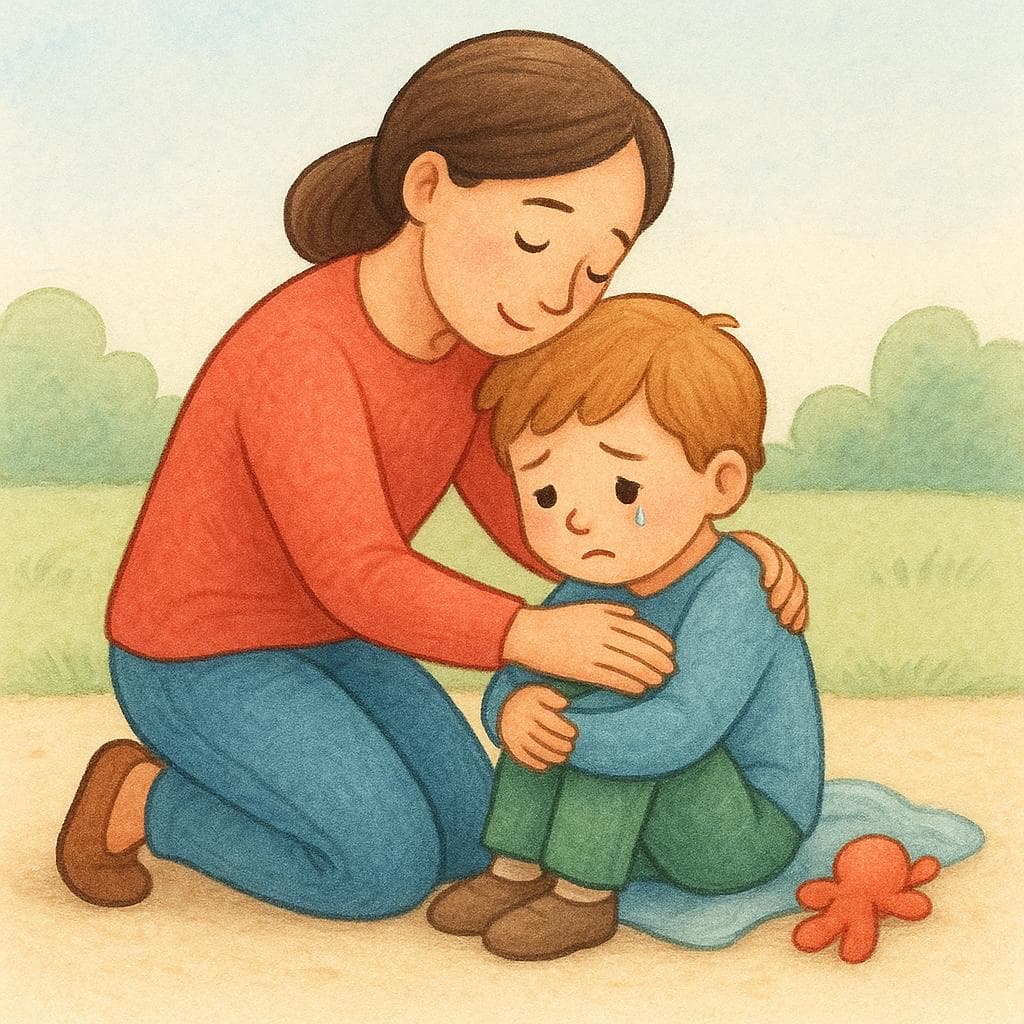
compasión
Examples
Mostró compasión por los prisioneros y les dio agua.
She showed compassion for the prisoners and gave them water.
Examples
Le di algo de dinero por lástima, se veía muy triste.
I gave him some money out of pity; he looked very sad.
piedad
pee-eh-DAHDpjeˈðað

Examples
El juez tuvo piedad y le redujo la sentencia.
The judge showed mercy and reduced his sentence.
Por piedad, no me dejes aquí solo.
For pity's sake (or 'Have mercy'), don't leave me here alone.
Sentí una gran piedad por los animales abandonados.
I felt great pity for the abandoned animals.
Always Feminine
Remember that 'piedad' is always a feminine noun, so you use 'la piedad' or 'una piedad'.
Confusing Pity and Sadness
Mistake: “Using 'piedad' when you mean simple sadness or regret ('lástima').”
Correction: 'Piedad' suggests deep compassion for suffering, often implying a plea for mercy. Use '¡Qué lástima!' for 'What a shame!'.
misericordia
mee-seh-ree-KOR-dyamiseriˈkorðja

Examples
El juez mostró misericordia y redujo la sentencia del acusado.
The judge showed mercy and reduced the defendant's sentence.
La religión enseña la importancia de la misericordia hacia el prójimo.
Religion teaches the importance of compassion toward one's neighbor.
A Feminine Noun
Since it ends in -a, it is a feminine noun and requires feminine articles (la misericordia) and adjectives.
caridad
kah-ree-DAHDka.ɾiˈðað
Examples
Le ruego, por caridad, que me escuche un momento.
I beg you, for pity's sake (out of kindness), listen to me for a moment.
El juez mostró caridad al darle una sentencia leve.
The judge showed mercy by giving him a light sentence.
Choosing between 'compasión', 'lástima', and 'piedad'
Learn Spanish with Inklingo
Interactive stories, personalized learning, and more.