How to Say "alms" in Spanish
The most common Spanish word for “alms” is “limosna” — use 'limosna' when referring to the specific act of giving money or food to a poor person, often in a direct, individual transaction.

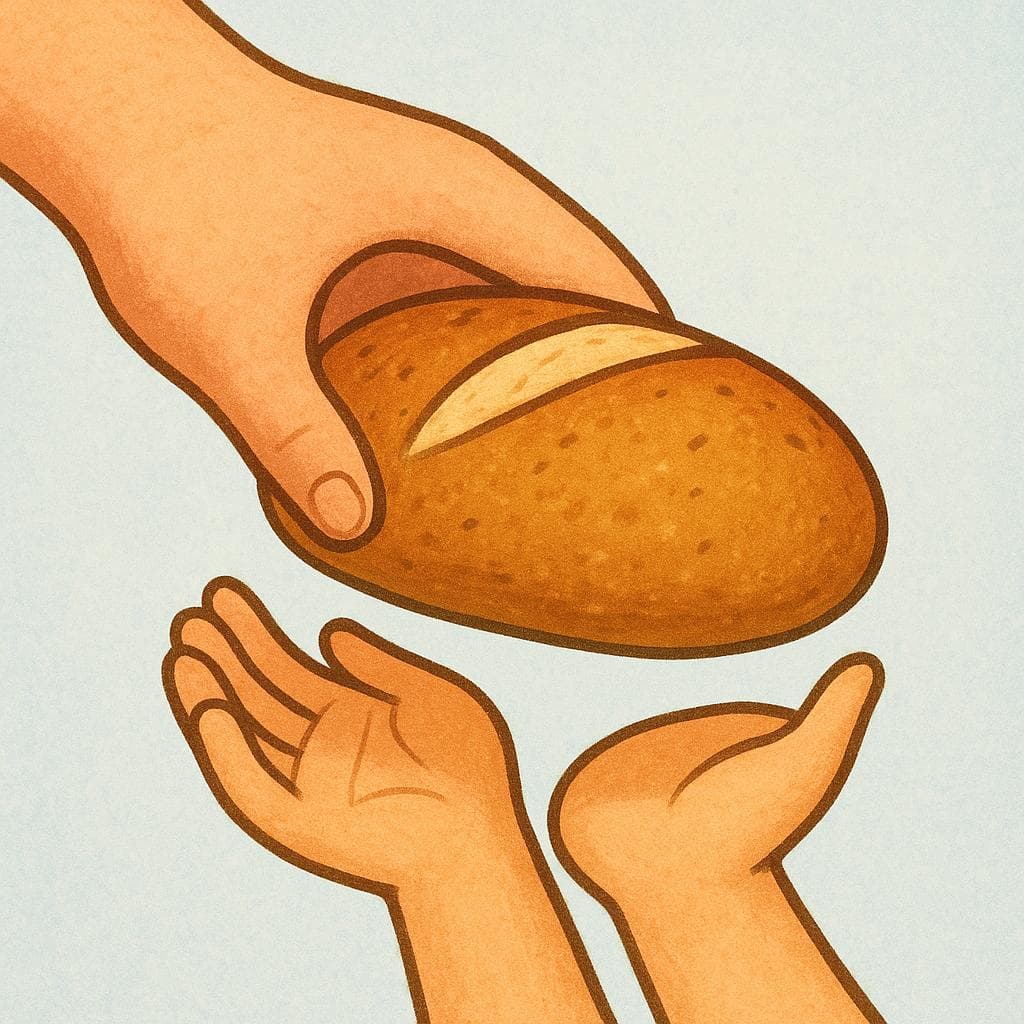
limosna
lee-MOHS-nahliˈmosna

Examples
El hombre pedía limosna en la puerta de la iglesia.
The man was asking for alms at the church door.
Mucha gente da limosna durante las fiestas de Navidad.
Many people give charity during the Christmas holidays.
No es suficiente con dar limosna; hay que cambiar el sistema.
Giving handouts isn't enough; the system needs to be changed.
Verbs to use with 'Limosna'
In Spanish, we usually use the verbs 'dar' (to give) or 'pedir' (to ask for) with this word. Unlike in English where you might say 'begging,' in Spanish, the standard phrase is 'pedir limosna.'
Gender is fixed
This word is always feminine ('la limosna'). It doesn't change even if you are giving it to a man or if the person asking is a man.
Don't use 'hacer'
Mistake: “Hacer limosna.”
Correction: Dar limosna. In Spanish, you 'give' charity, you don't 'do' it.
caridad
kah-ree-DAHDka.ɾiˈðað
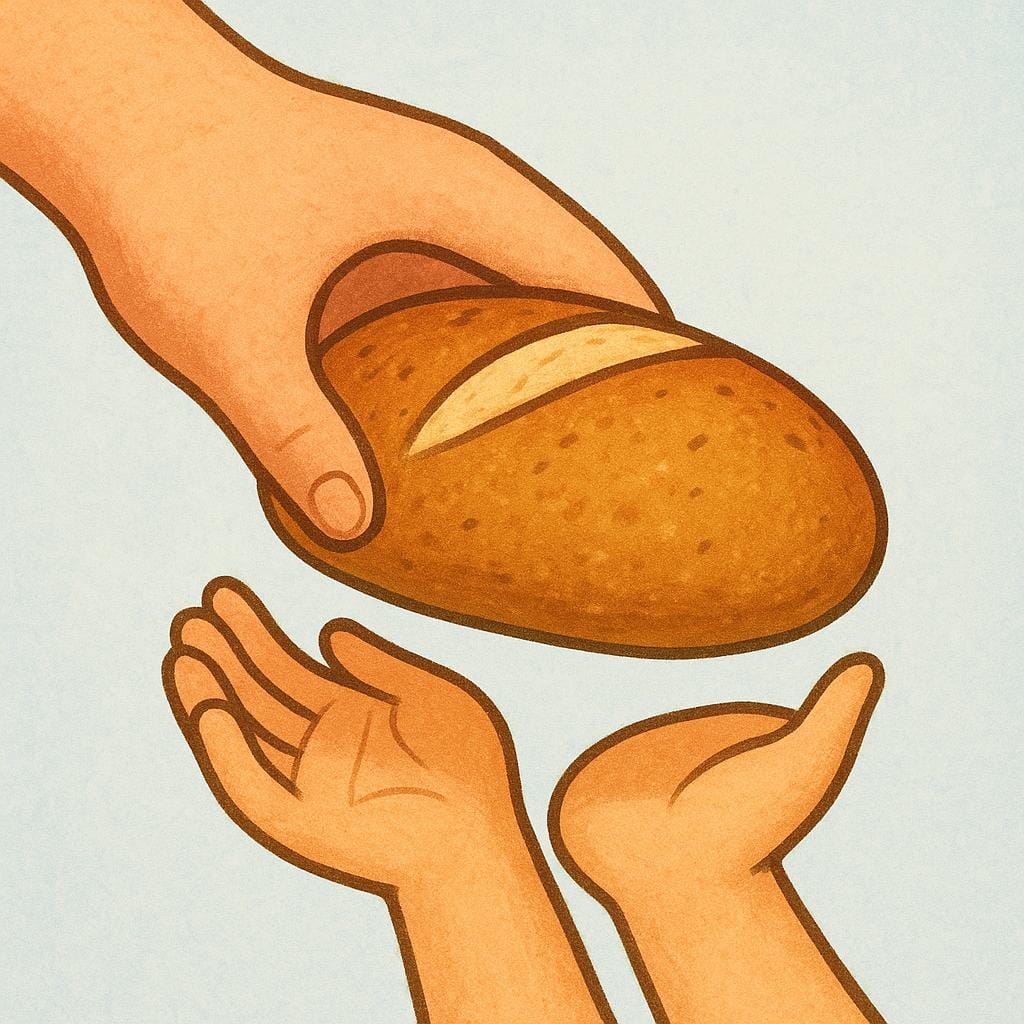
Examples
La organización vive de la caridad de sus miembros.
The organization survives on the charity of its members.
Hicieron una colecta de caridad para los damnificados.
They held a charity collection for the disaster victims.
Feminine Noun
Even though it ends in '-d', 'caridad' is always a feminine noun, meaning you must use 'la' or 'una' before it.
Limosna vs. Caridad
Learn Spanish with Inklingo
Interactive stories, personalized learning, and more.