caridad
“caridad” means “charity” in Spanish. It has 3 different meanings depending on context:

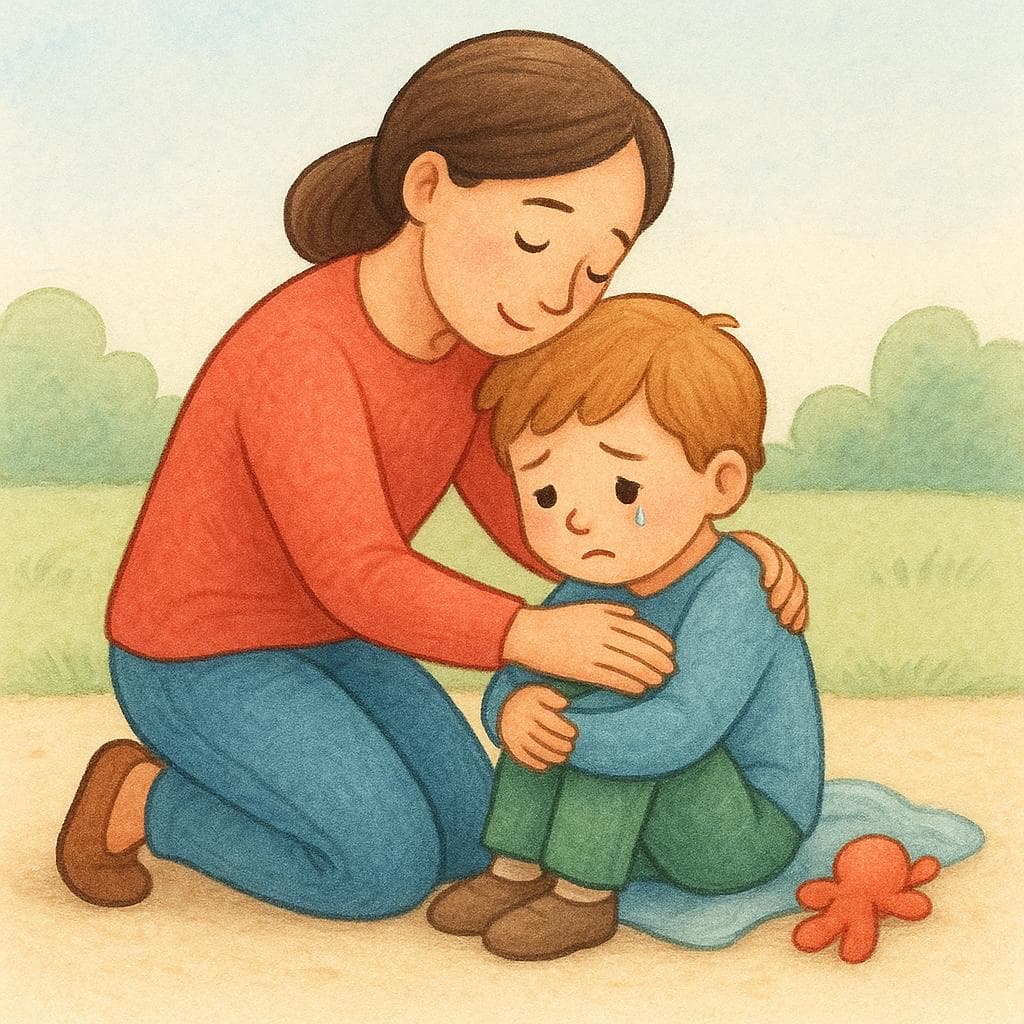

charity, donation
Also: alms
📝 In Action
La organización vive de la caridad de sus miembros.
B1The organization survives on the charity of its members.
Hicieron una colecta de caridad para los damnificados.
B2They held a charity collection for the disaster victims.
compassion, kindness
Also: mercy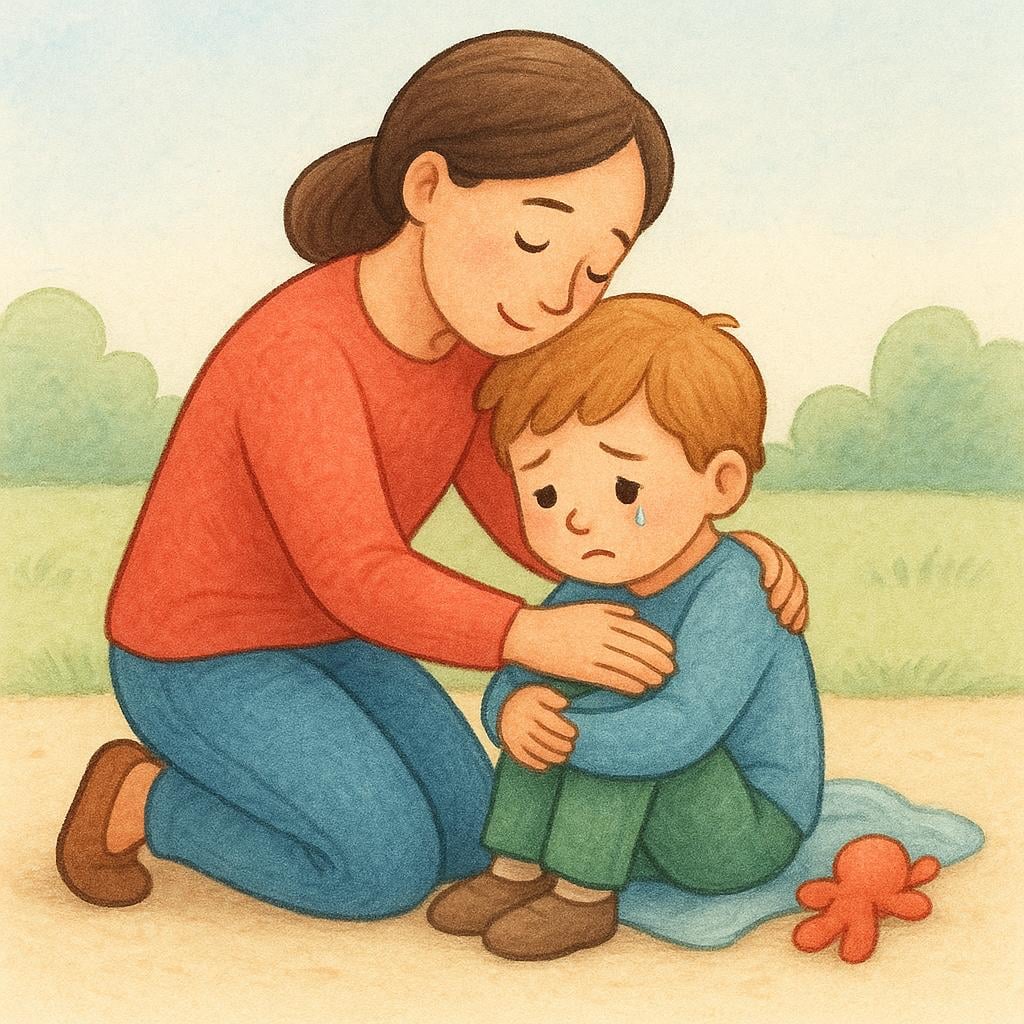
📝 In Action
Le ruego, por caridad, que me escuche un momento.
B2I beg you, for pity's sake (out of kindness), listen to me for a moment.
El juez mostró caridad al darle una sentencia leve.
C1The judge showed mercy by giving him a light sentence.
Charity, selfless love

📝 In Action
Las tres virtudes teologales son fe, esperanza y caridad.
C1The three theological virtues are faith, hope, and charity.
Translate to Spanish
Words that translate to "caridad" in Spanish:
alms→charity→compassion→donation→kindness→mercy→selfless love→✏️ Quick Practice
Quick Quiz: caridad
Question 1 of 1
Which sentence uses 'caridad' to mean 'pity' or 'mercy' rather than 'donations'?
📚 More Resources
👥 Word Family▼
📚 Etymology▼
The word comes directly from the Latin word *caritas*, which meant 'dearness,' 'affection,' or 'high regard.' Over time, this sense of love and high regard evolved into the meaning of benevolence and giving aid.
First recorded: 13th century
Cognates (Related words)
💡 Master Spanish
Take your Spanish to the next level. Read 200+ illustrated and narrated Spanish stories tailored to your level with the Inklingo app!
Frequently Asked Questions
Why is 'caridad' feminine if it doesn't end in '-a'?
Spanish nouns that end in '-dad' (like 'ciudad,' 'libertad,' and 'caridad') are almost always feminine. This pattern comes from the Latin endings, making it easy to remember that 'caridad' uses 'la'.