How to Say "peanuts" in Spanish
The most common Spanish word for “peanuts” is “limosna” — use 'limosna' when you want to informally describe a ridiculously small amount of money, often implying it's insufficient or an insult given the effort.

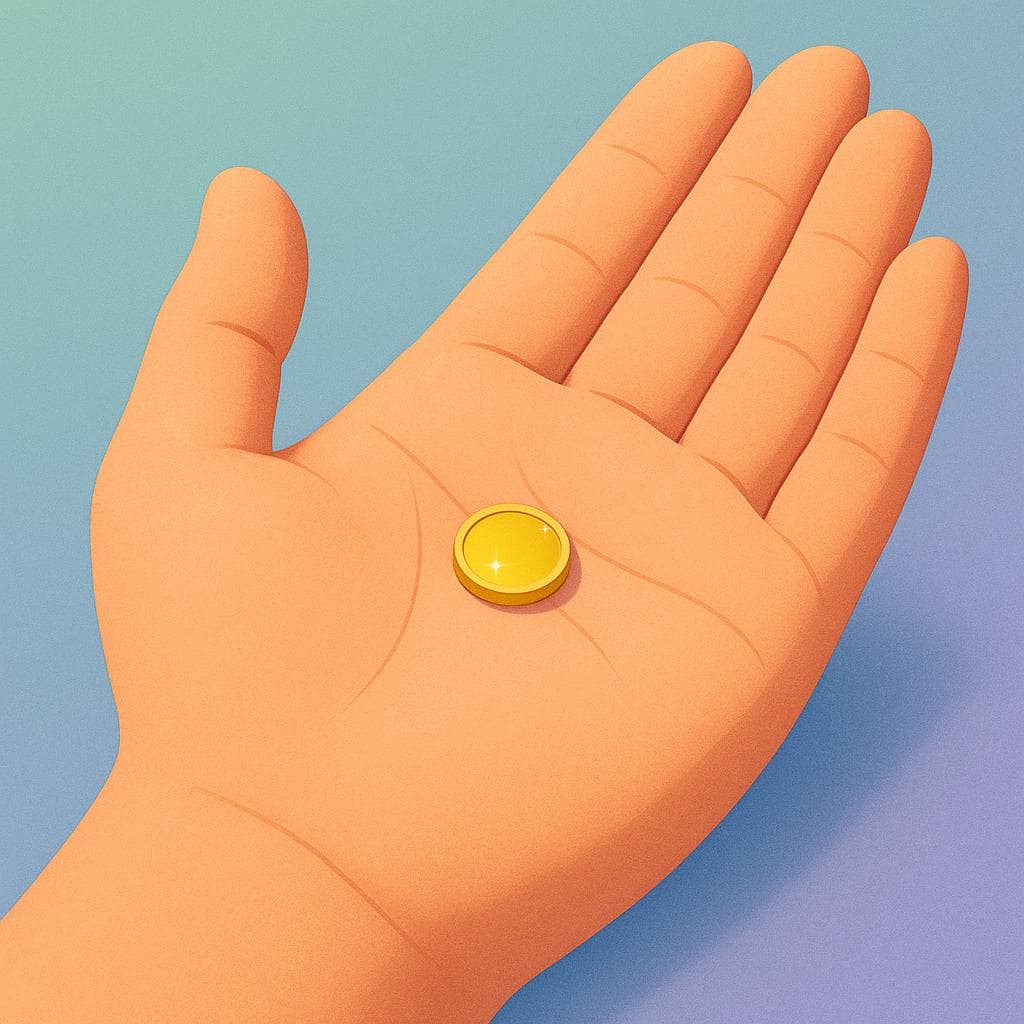
limosna
lee-MOHS-nahliˈmosna

Examples
Me ofrecieron solo diez euros por el trabajo, ¡una limosna!
They offered me only ten euros for the job, a pittance!
Después de trabajar tanto, este sueldo me parece una limosna.
After working so much, this salary seems like a pittance to me.
No quiero tus limosnas; quiero lo que me corresponde por mi trabajo.
I don't want your crumbs; I want what I'm owed for my work.
El aumento que nos dieron es una auténtica limosna.
The raise they gave us is absolute peanuts.
Using 'ser' with 'limosna'
When using the figurative meaning to complain, we almost always use the verb 'ser' (to be) followed by 'una limosna' to describe a situation or an amount.
Limosna vs Propina
Mistake: “Le dejé una limosna al camarero.”
Correction: Le dejé una propina al camarero. A 'limosna' is for charity; a 'propina' is a tip for service. Using 'limosna' for a waiter is very insulting!
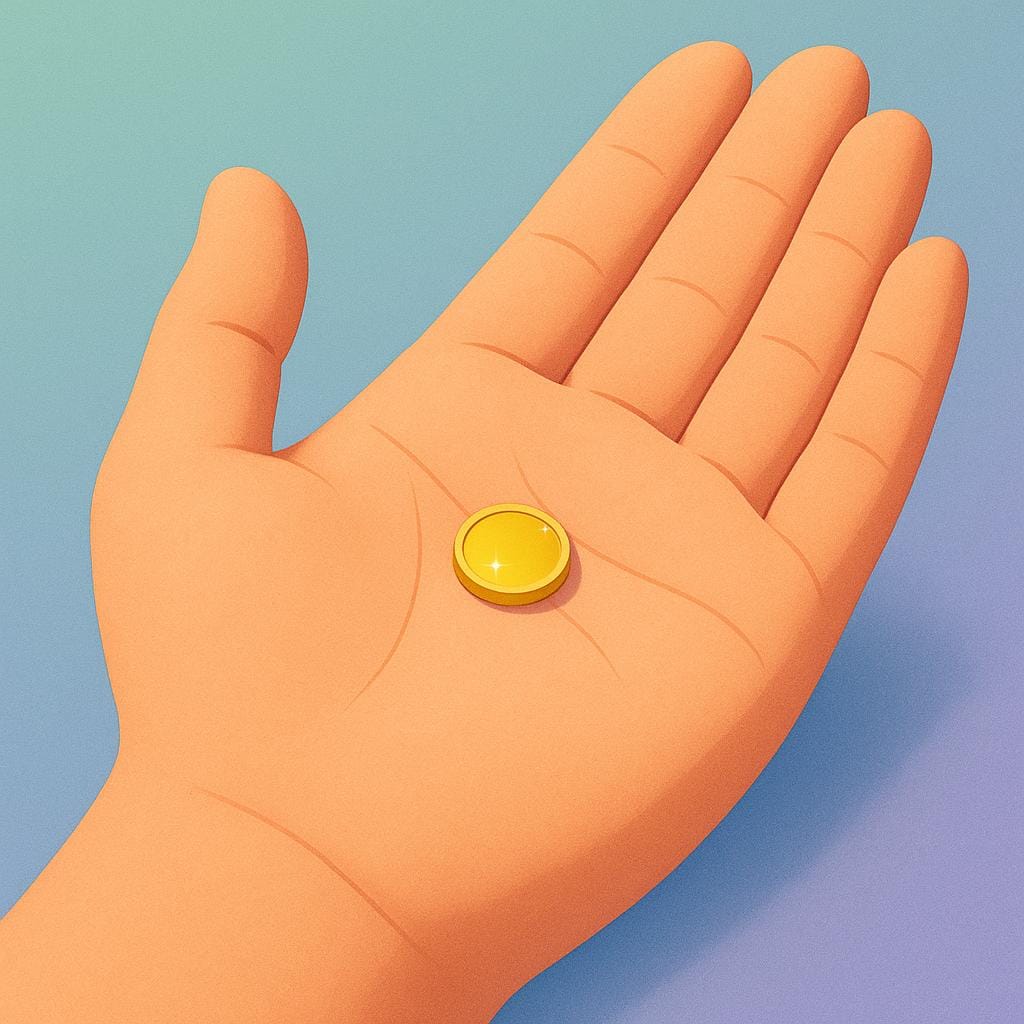
miseria
mee-SEH-ryahmiˈse.rja
Examples
Ganaba una miseria en su antiguo empleo.
He earned peanuts in his old job.
Le pagaron una miseria por el trabajo de todo el mes.
They paid him a pittance for a whole month's work.
Solo había una miseria de pan en la nevera.
There was only a tiny bit of bread (a trifle) in the fridge.
Choosing between 'limosna' and 'miseria'
Learn Spanish with Inklingo
Interactive stories, personalized learning, and more.