aliviar
“aliviar” means “to relieve” in Spanish. It has 2 different meanings depending on context:

to relieve
Also: to soothe, to ease
📝 In Action
Esta pastilla te ayudará a aliviar el dolor de cabeza.
A2This pill will help you relieve your headache.
Escuchar música me ayuda a aliviar el estrés del trabajo.
B1Listening to music helps me ease the stress from work.
Sintió un gran consuelo al aliviar su conciencia.
B2He felt great comfort in easing his conscience.
to lighten
Also: to unburden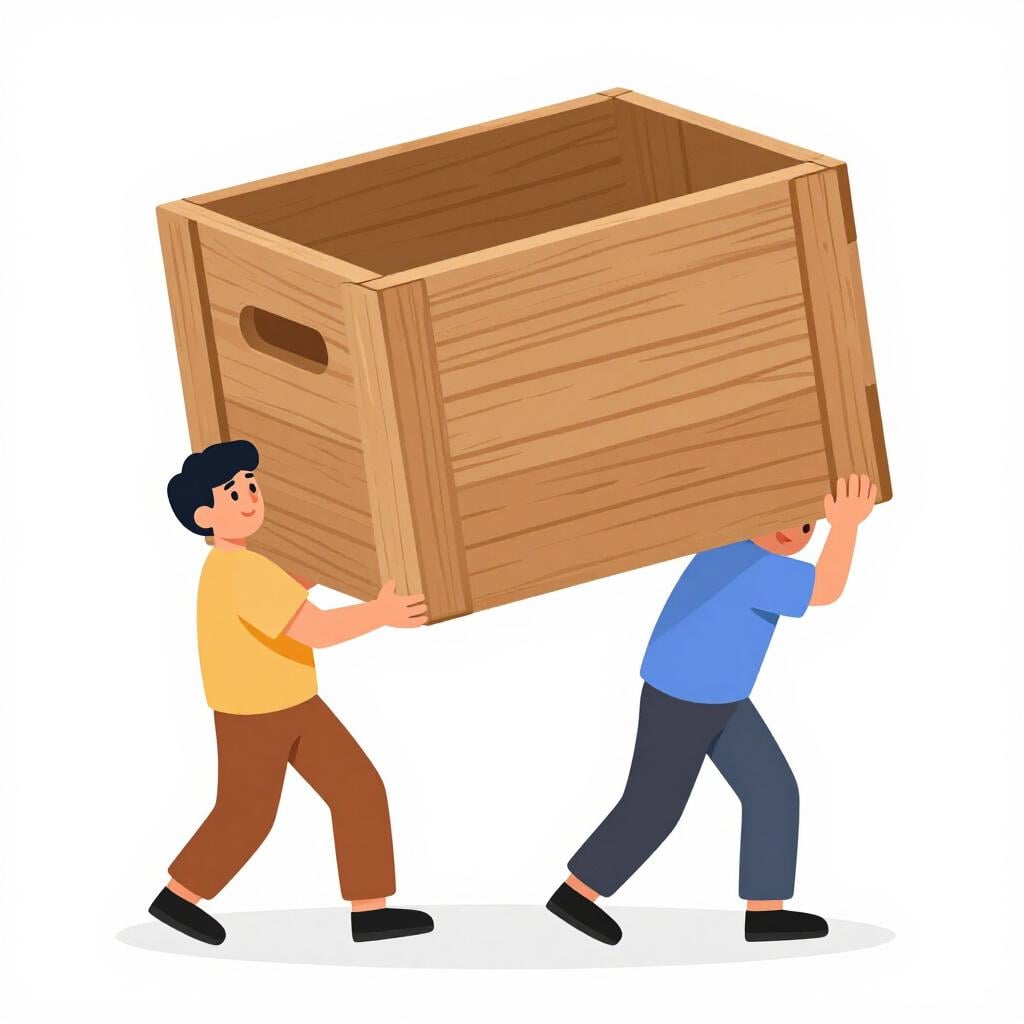
📝 In Action
Necesitamos contratar a alguien más para aliviar tu carga de trabajo.
B2We need to hire someone else to lighten your workload.
Aliviaron el peso del camión antes de cruzar el puente.
B2They lightened the truck's load before crossing the bridge.
Compartir tus problemas puede aliviar el peso que llevas.
C1Sharing your problems can lighten the weight you are carrying.
Subjunctive
Imperfect Subjunctive
Present Subjunctive
Indicative
Preterite
Imperfect
Present
Translate to Spanish
✏️ Quick Practice
Quick Quiz: aliviar
Question 1 of 3
Which sentence correctly uses 'aliviar' to talk about a headache?
📚 More Resources
👥 Word Family▼
📚 Etymology▼
From the Latin 'alleviare', which means to lighten or make something less heavy. It comes from 'levis', the Latin word for 'light' (as in weight).
First recorded: 13th century
Cognates (Related words)
💡 Master Spanish
Take your Spanish to the next level. Read 200+ illustrated and narrated Spanish stories tailored to your level with the Inklingo app!
Frequently Asked Questions
Is 'aliviar' formal?
It is neutral! You can use it with your doctor, your boss, or your best friend. It is never out of place.
What is the difference between 'aliviar' and 'calmar'?
They are very similar! 'Aliviar' specifically implies making a heavy load or a strong pain 'lighter,' while 'calmar' focuses more on making something quiet or peaceful.
Can 'aliviar' mean to give birth?
In some older or regional parts of Latin America, 'aliviarse' is a polite, traditional way to say a woman has 'delivered' her baby, but 'dar a luz' is more common today.