cargar
“cargar” means “to carry” in Spanish. It has 4 different meanings depending on context:



to carry, to loadAlso: to bear, to haul

📝 In Action
Tengo que cargar estas cajas pesadas al camión.
A1I have to load these heavy boxes onto the truck.
Ella siempre carga con la responsabilidad de la casa.
B1She always bears the responsibility for the house.
El bebé quiere que su mamá lo cargue en brazos.
A2The baby wants his mother to carry him in her arms.
Word Connections
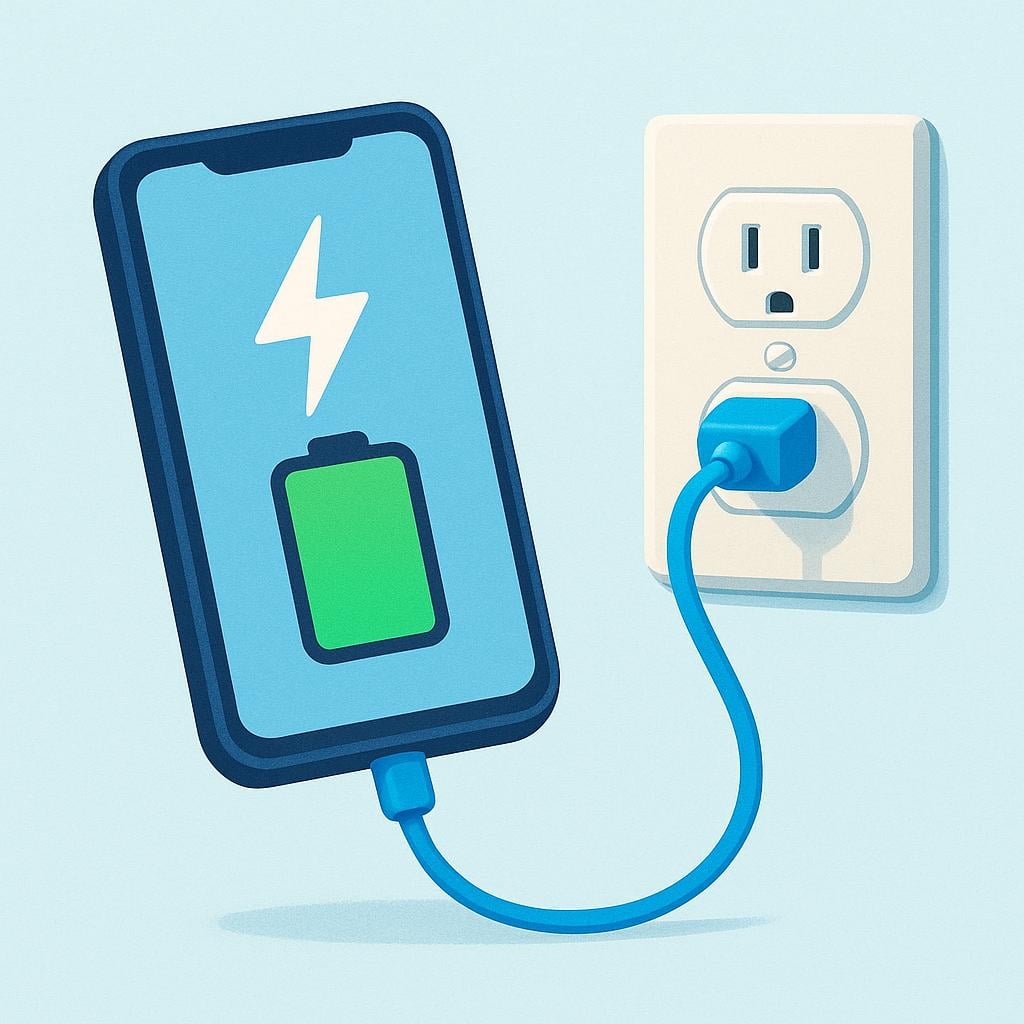
to chargeAlso: to power up
📝 In Action
¿Dónde puedo cargar mi teléfono?
A2Where can I charge my phone?
Necesitas cargar la batería antes de usar la cámara.
A2You need to charge the battery before using the camera.
El coche eléctrico ya está completamente cargado.
B1The electric car is already completely charged.
Word Connections
to charge, to billAlso: to impose (a fee)

📝 In Action
Por favor, cargue la compra a mi tarjeta de crédito.
B1Please charge the purchase to my credit card.
Nos cargaron una tarifa extra por el servicio a domicilio.
B2They charged us an extra fee for home delivery.
El banco cargó la cuota mensual automáticamente.
B2The bank debited the monthly fee automatically.
Word Connections
to upload, to loadAlso: to boot up

📝 In Action
La página web tardó mucho en cargar.
B1The website took a long time to load.
Voy a cargar mis fotos a la nube.
B2I am going to upload my photos to the cloud.
El programa está cargando los archivos necesarios.
B1The program is loading the necessary files.
Word Connections
Indicative
Present
Imperfect
Preterite
Subjunctive
Present Subjunctive
Imperfect Subjunctive
Translate to Spanish
✏️ Quick Practice
Quick Quiz: cargar
Question 1 of 2
Which meaning of 'cargar' is used in the following sentence: 'Mi jefe me cargó con mucho trabajo.'
📚 More Resources
👥 Word Family
📚 Etymology
The word comes from the Late Latin verb *carricare*, which meant 'to load onto a wagon' (*carrus*). This shared origin explains why 'cargar' applies equally to putting a heavy box on a truck, putting data onto a server, or putting a cost onto your bill—it always means placing something onto a destination.
First recorded: 13th century
Cognates (Related words)
💡 Master Spanish
Take your Spanish to the next level. Read 200+ illustrated and narrated Spanish stories tailored to your level with the Inklingo app!
Frequently Asked Questions
Is 'cargar' always a transitive verb (meaning it needs a direct object)?
Usually, yes. You 'charge' *something* (a phone, a cost, a box). However, when talking about technology, it can be used without an object, like 'La página no carga' (The page isn't loading).
How do I say 'I am charged' (meaning, I am the one being billed)?
You would use the passive or reflexive structure: 'Me cargaron cien dólares' (They charged me $100) or 'Se cargó a mi cuenta' (It was charged to my account).