empeorar
“empeorar” means “to get worse” in Spanish. It has 2 different meanings depending on context:
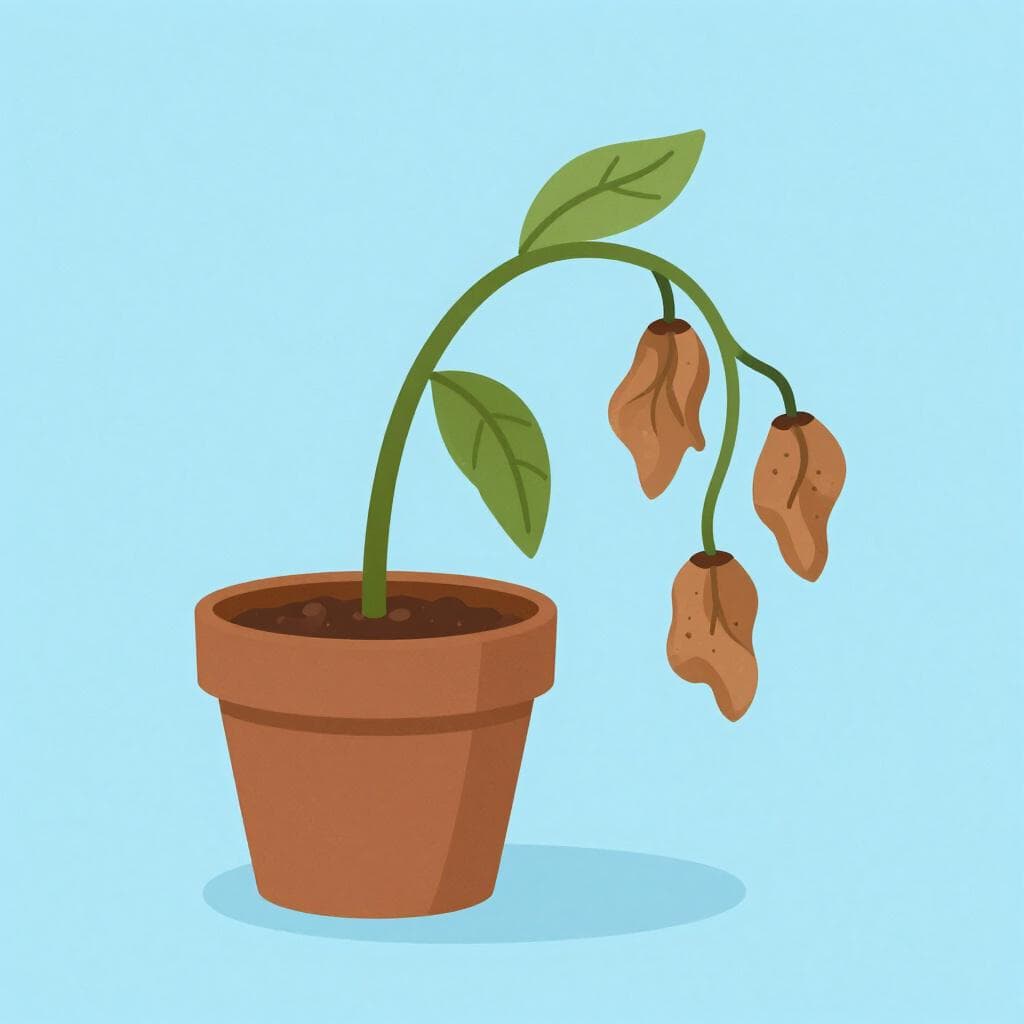
to get worse
Also: to deteriorate
📝 In Action
El tiempo va a empeorar esta tarde.
A1The weather is going to get worse this afternoon.
Si no descansas, tu resfriado puede empeorar.
A2If you don't rest, your cold might get worse.
La situación económica empeoró drásticamente el año pasado.
B1The economic situation got drastically worse last year.
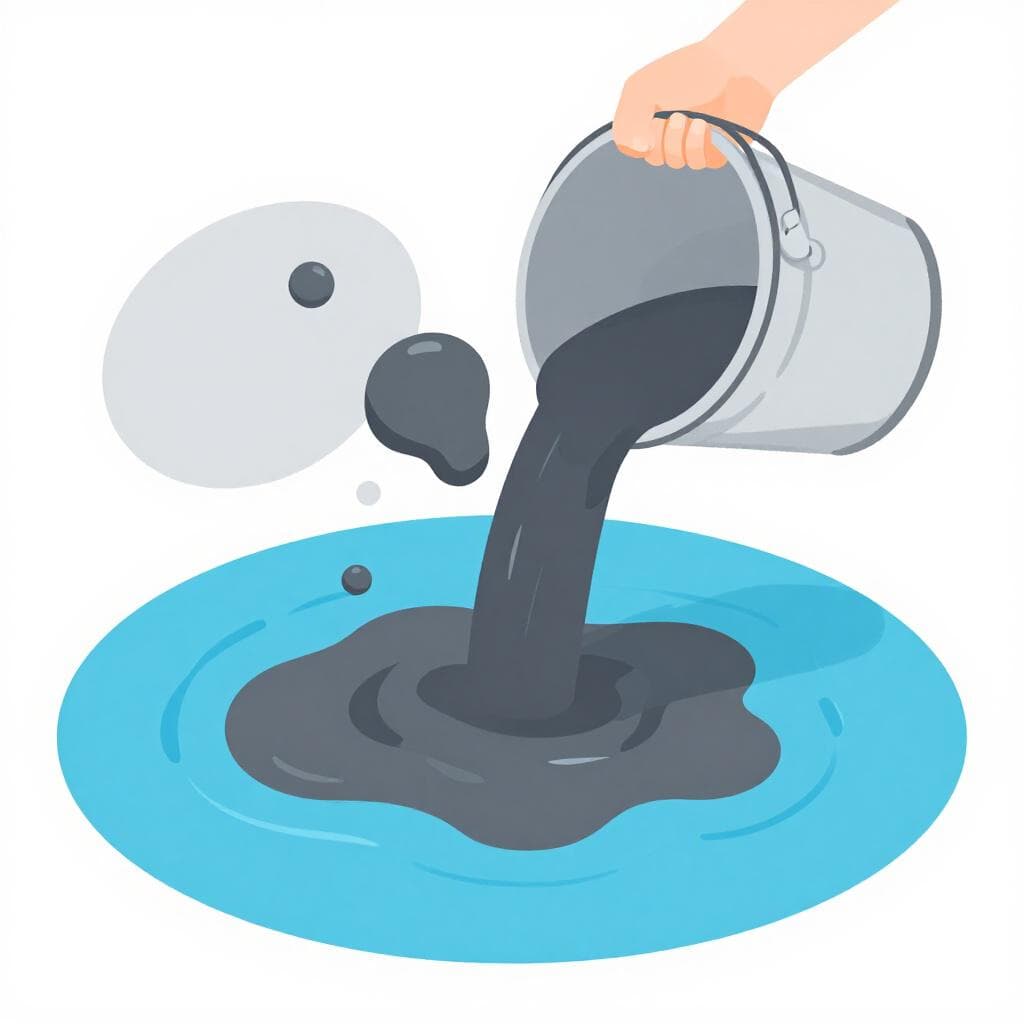
to make worse
Also: to aggravate
📝 In Action
Tus mentiras solo van a empeorar las cosas.
B1Your lies are only going to make things worse.
El ruido excesivo puede empeorar el dolor de cabeza.
B1Excessive noise can aggravate the headache.
No quería empeorar el conflicto, así que me callé.
B2I didn't want to make the conflict worse, so I kept quiet.
Subjunctive
Imperfect Subjunctive
Present Subjunctive
Indicative
Preterite
Imperfect
Present
Translate to Spanish
✏️ Quick Practice
Quick Quiz: empeorar
Question 1 of 3
Which sentence means 'The weather got worse'?
📚 More Resources
👥 Word Family▼
📚 Etymology▼
From the Spanish prefix 'em-' (meaning to bring into a state) combined with 'peor' (worse), which comes from the Latin word 'peior'.
First recorded: 13th century
Cognates (Related words)
💡 Master Spanish
Take your Spanish to the next level. Read 200+ illustrated and narrated Spanish stories tailored to your level with the Inklingo app!
Frequently Asked Questions
Is 'empeorarse' a word?
While you might hear it in some regions, it is much more standard and common to simply use 'empeorar' without the 'se'.
Can I use 'empeorar' for people?
Yes, but usually regarding their health or behavior, not their physical appearance (for appearance, you would say 'envejecer' or 'desmejorar').
Is it a regular verb?
Yes! It follows the standard pattern for all -ar verbs in all tenses.