How to Say "to deteriorate" in Spanish
The most common Spanish word for “to deteriorate” is “empeorar” — use this word when referring to a general worsening of conditions, especially in weather, health, or the state of materials, often implying a negative change.


empeorar
em-peh-oh-rarempeoˈɾaɾ
Examples
La situación económica va a empeorar si no tomamos medidas.
The economic situation is going to worsen if we don't take action.
El tiempo va a empeorar esta tarde.
The weather is going to get worse this afternoon.
Si no descansas, tu resfriado puede empeorar.
If you don't rest, your cold might get worse.
La situación económica empeoró drásticamente el año pasado.
The economic situation got drastically worse last year.
No 'Se' Required
Unlike many verbs where you need 'se' to show something happened on its own, 'empeorar' is usually used without it. You can just say 'La situación empeora'.
Describing Health
When talking about a patient, you often say 'empeoró de su enfermedad' (the condition of the illness got worse).
Avoid 'Hacer Peor'
Mistake: “Esto hace la situación peor.”
Correction: Esto empeora la situación.
deteriorar
deh-teh-ryoh-RAHRdeteɾjoˈɾaɾ
Examples
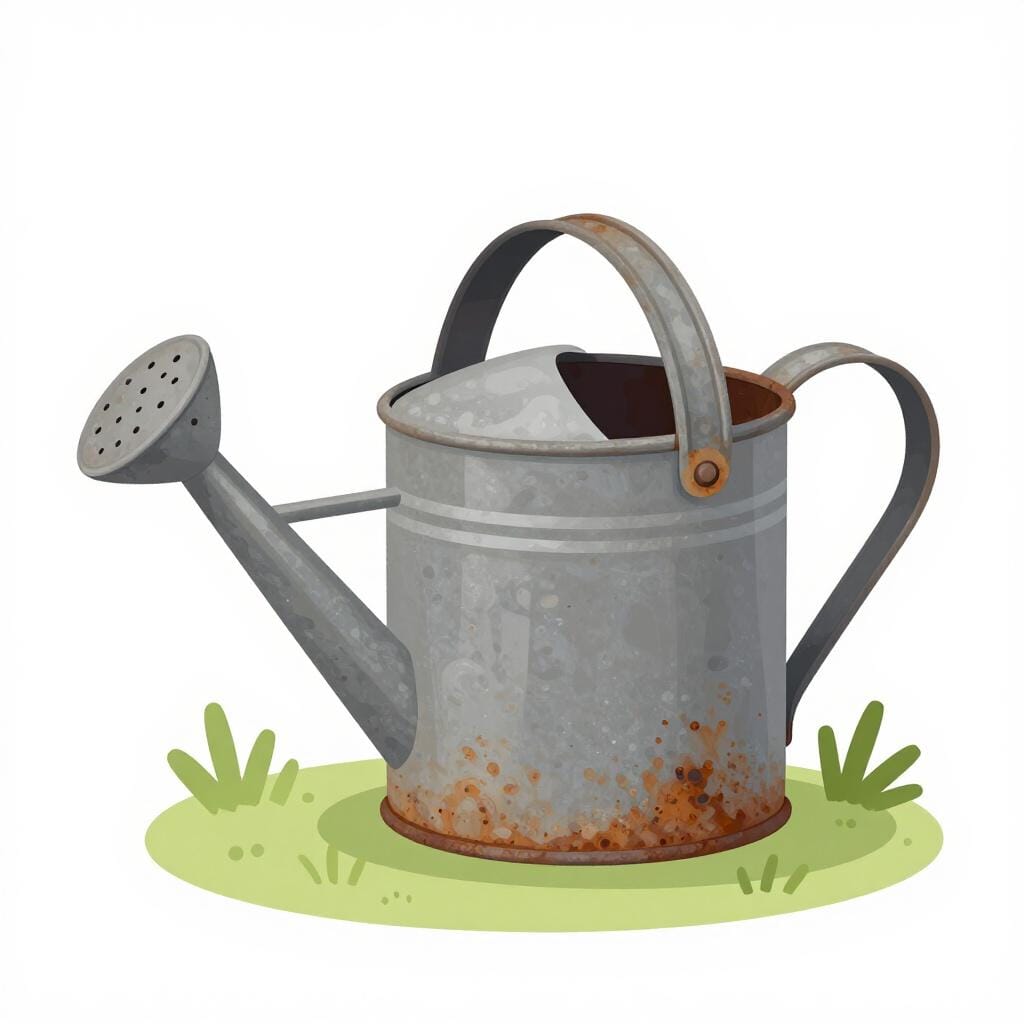
El óxido puede deteriorar gravemente la estructura del puente.
Rust can seriously deteriorate the bridge's structure.
El sol puede deteriorar la pintura del coche con el paso del tiempo.
The sun can damage the car's paint over time.
Fumar tabaco deteriora gravemente la salud de los pulmones.
Smoking tobacco seriously impairs lung health.
La falta de comunicación deterioró nuestra relación de amistad.
The lack of communication worsened our friendship.
Using the 'Self' Form
When things get worse on their own without someone causing it, we use the reflexive form 'deteriorarse'. For example: 'Su salud se deterioró' (His health got worse).
Slow vs. Fast Damage
Deteriorar usually implies a slow process over time, whereas 'romper' (to break) usually happens in an instant.
The Noun/Verb Mix-up
Mistake: “Su salud es deteriorar.”
Correction: Su salud se está deteriorando (His health is deteriorating) or Su salud sufrió un deterioro (His health suffered a decline). Use the noun 'deterioro' for the thing, and the verb for the action.
decaer
deh-kah-ehrdekaˈeɾ

Examples
Los ánimos del equipo empezaron a decaer tras la derrota.
The team's spirits began to decline after the defeat.
La economía del país empezó a decaer después de la guerra.
The country's economy began to decline after the war.
Su salud ha decaído mucho en los últimos meses.
His health has deteriorated a lot in recent months.
El imperio romano comenzó a decaer lentamente.
The Roman Empire began to decay slowly.
The 'G' and 'Y' Spells
This verb adds a 'g' in the 'yo' form (decaigo) and turns an 'i' into a 'y' when it's caught between two vowels in the past (decayó).
A more formal choice
While 'bajar' means to go down, 'decaer' is used for more serious or formal types of decline, like health or civilizations.
Don't follow the 'comer' pattern
Mistake: “Yo decaeo.”
Correction: Yo decaigo. Remember that 'decaer' comes from 'caer' (to fall), so it keeps that irregular 'g' in the present tense.
degradar
deh-grah-dahrdeɣɾaˈðaɾ
Examples
Los productos químicos pueden degradar el suelo con el tiempo.
Chemical products can degrade the soil over time.
El plástico tarda siglos en degradarse.
Plastic takes centuries to degrade.
La luz solar puede degradar los colores de la alfombra.
Sunlight can degrade the colors of the carpet.
Debemos evitar acciones que degraden el medio ambiente.
We must avoid actions that degrade the environment.
Using 'se' for Automatic Actions
When a substance breaks down on its own, add 'se' to the verb (degradarse). For example: 'El papel se degrada' (Paper degrades).
Missing the 'se'
Mistake: “El plástico degrada en el mar.”
Correction: El plástico se degrada en el mar.
General vs. Specific Decline
Related Translations
Learn Spanish with Inklingo
Interactive stories, personalized learning, and more.