How to Say "to decay" in Spanish
The most common Spanish word for “to decay” is “decaer” — use 'decaer' when referring to the decline or weakening of abstract things like economies, social structures, or spirits.

Use 'decaer' when referring to the decline or weakening of abstract things like economies, social structures, or spirits.
Learn more →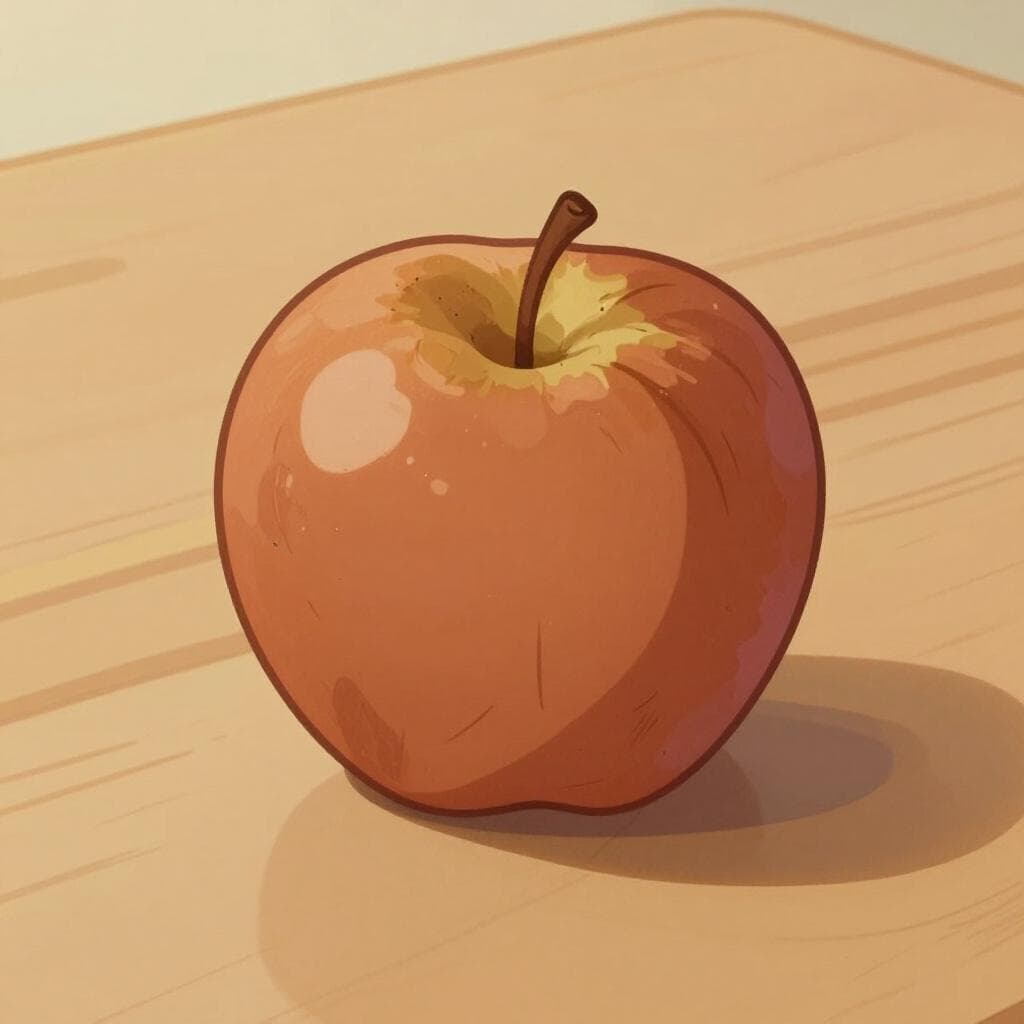
Use 'pudrir' when referring to the physical rotting and decomposition of organic matter like food or wood, or structures made of such materials.
Learn more →deh-kah-ehrdekaˈeɾ

Examples
La influencia del imperio empezó a decaer.
The empire's influence began to decay.
La economía del país empezó a decaer después de la guerra.
The country's economy began to decline after the war.
Su salud ha decaído mucho en los últimos meses.
His health has deteriorated a lot in recent months.
El imperio romano comenzó a decaer lentamente.
The Roman Empire began to decay slowly.
The 'G' and 'Y' Spells
This verb adds a 'g' in the 'yo' form (decaigo) and turns an 'i' into a 'y' when it's caught between two vowels in the past (decayó).
A more formal choice
While 'bajar' means to go down, 'decaer' is used for more serious or formal types of decline, like health or civilizations.
Don't follow the 'comer' pattern
Mistake: “Yo decaeo.”
Correction: Yo decaigo. Remember that 'decaer' comes from 'caer' (to fall), so it keeps that irregular 'g' in the present tense.
poo-dreerpuˈðɾiɾ
Examples
La madera del viejo cobertizo se pudrió con la lluvia.
The wood of the old shed rotted with the rain.
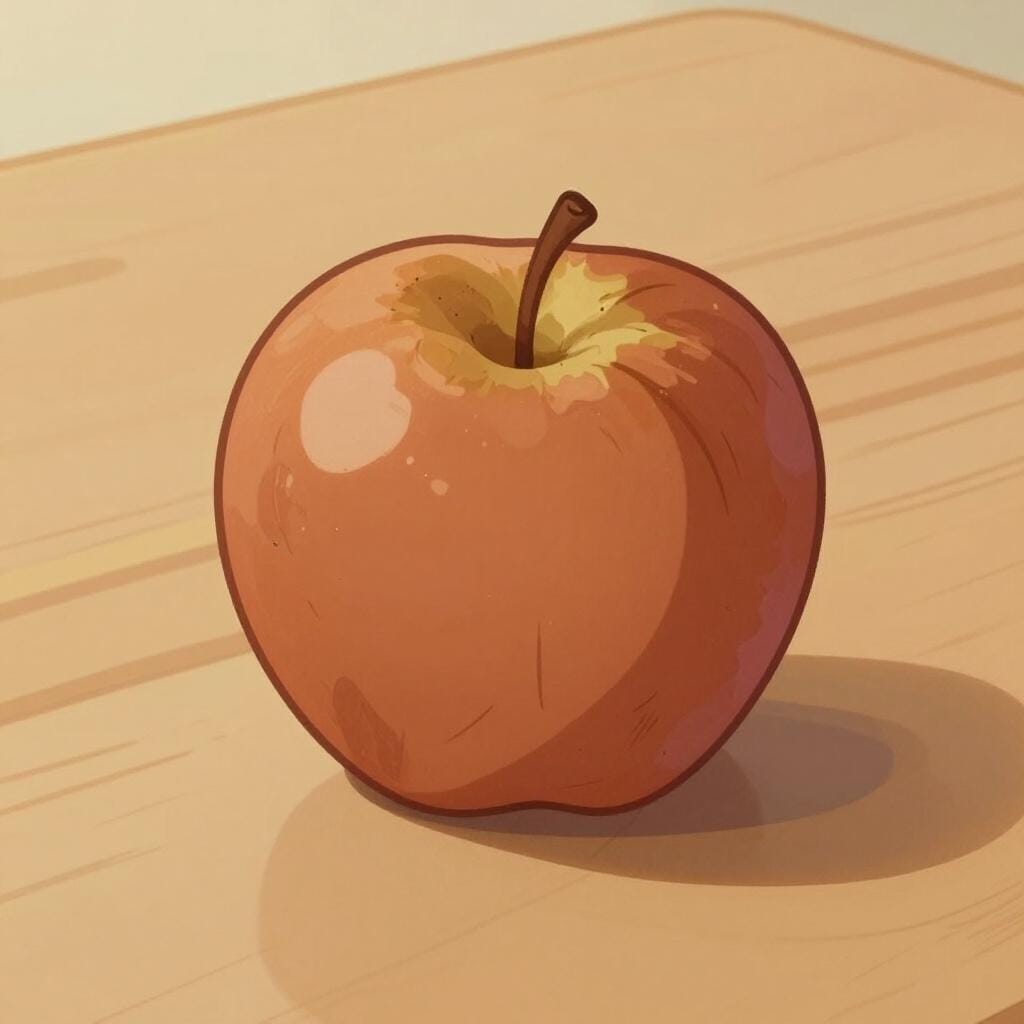
Las manzanas se empezaron a pudrir en la cesta.
The apples started to rot in the basket.
La lluvia constante pudrió la madera de la cerca.
The constant rain rotted the wood of the fence.
Si dejas la basura ahí mucho tiempo, se va a pudrir.
If you leave the trash there for a long time, it's going to rot.
The 'O' to 'U' History
This verb used to be spelled 'podrir', but modern Spanish has standardized the infinitive to 'pudrir'. However, the adjective 'podrido' (rotten) still uses the 'o'!
Using the Reflexive Form
When something rots on its own, we usually add 'se' to the end: 'La comida SE pudre' (The food is rotting).
The Past Participle Trap
Mistake: “La fruta está 'pudrida'.”
Correction: La fruta está 'podrida'. Even though the verb is 'pudrir', the word for 'rotten' uses an 'o'.
Abstract vs. Physical Decay
Learners often confuse 'decaer' and 'pudrir' by using 'pudrir' for abstract concepts. Remember that 'pudrir' specifically refers to physical rotting, while 'decaer' is for gradual decline or weakening.
Related Translations
Learn Spanish with Inklingo
Interactive stories, personalized learning, and more.