How to Say "to fade" in Spanish
The most common Spanish word for “to fade” is “desvanecer” — use this word when something gradually becomes less clear, less visible, or disappears, like smoke, a sound, or a physical mark.

Use this word when something gradually becomes less clear, less visible, or disappears, like smoke, a sound, or a physical mark.
Learn more →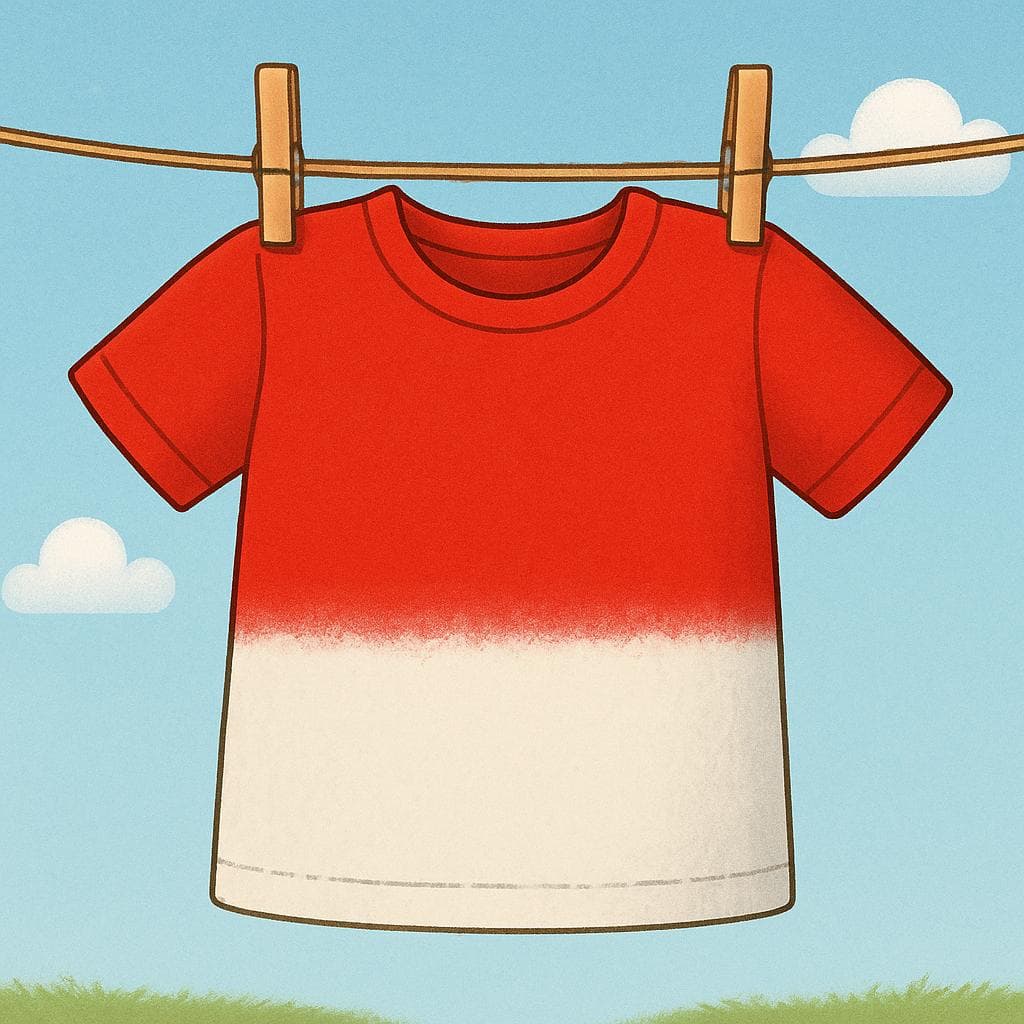
This is used specifically when colors, stains, or even memories lose their intensity or disappear completely, often implying a washing-out or fading away.
Learn more →
Employ this term when referring to a decline in strength, enthusiasm, interest, or spirits, indicating a weakening or falling off.
Learn more →des-bah-neh-SEHRdesβaneˈser

Examples
El recuerdo de su infancia se desvaneció con el tiempo.
The memory of his childhood faded with time.
El humo se desvaneció lentamente en el aire.
The smoke faded slowly into the air.
Tus palabras desvanecieron todas mis dudas.
Your words dispelled all my doubts.
Con el tiempo, sus esperanzas se desvanecieron.
Over time, their hopes vanished.
The 'ZC' Change
For this verb, when you talk about yourself in the present ('yo'), the 'c' turns into 'zc' (desvanezco). This also happens in all 'wishes and commands' forms (subjunctive).
Using 'Se' for Fading
When an object fades away on its own (like smoke or a dream), you must use the reflexive form 'desvanecerse'.
Missing the 'Se'
Mistake: “El color desvaneció.”
Correction: El color SE desvaneció. (In Spanish, if the color fades by itself, you need the 'se' to show the action is happening to the subject.)
EER-sehˈiɾse
Examples
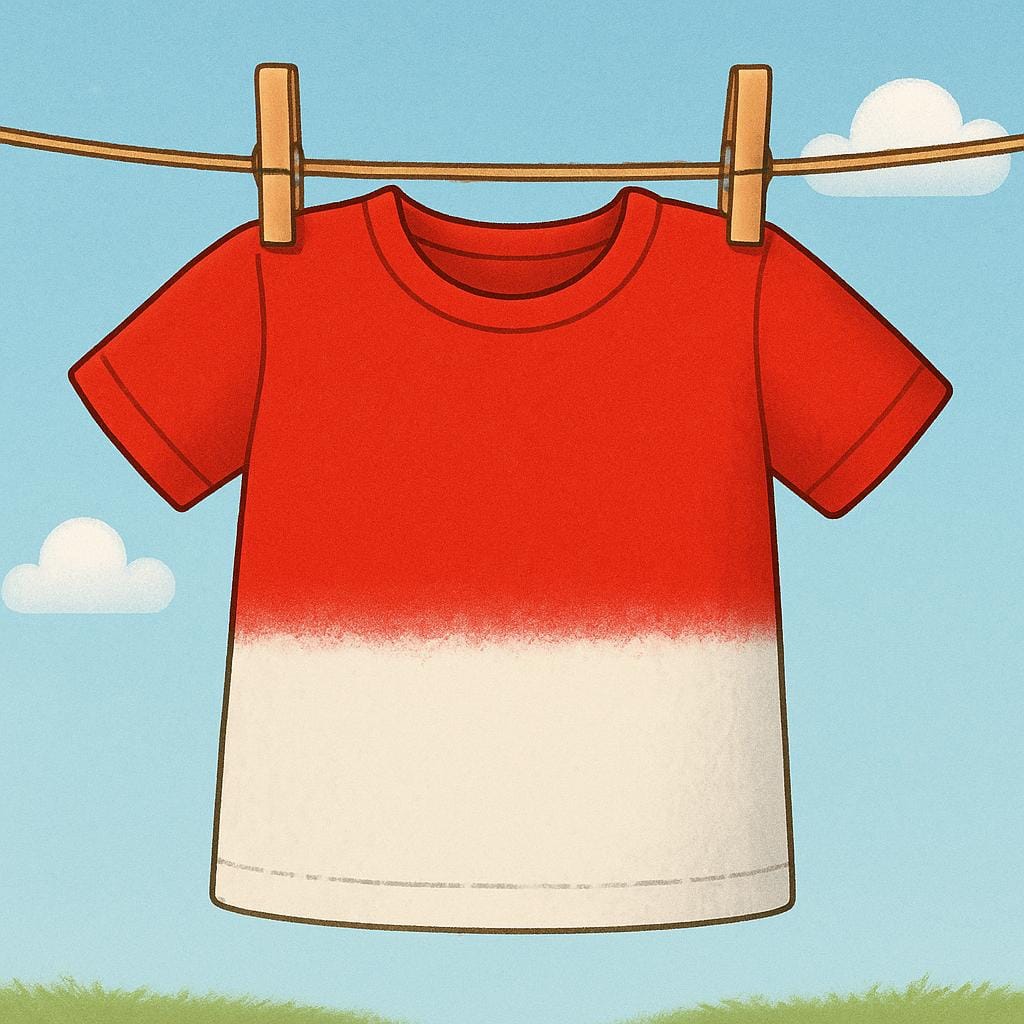
El color brillante de la tela se fue después de lavarla.
The bright color of the fabric faded after washing it.
La mancha de café por fin se fue de mi camisa.
The coffee stain finally came out of my shirt.
El efecto de la medicina se está yendo poco a poco.
The effect of the medicine is wearing off little by little.
Se me fue el enojo después de hablar con él.
My anger went away after talking with him.
deh-kah-ehrdekaˈeɾ

Examples
Su entusiasmo por el proyecto decayó al enfrentar obstáculos.
His enthusiasm for the project faded when he faced obstacles.
No dejes que tu ánimo decaiga en los momentos difíciles.
Don't let your spirits fall during difficult times.
El entusiasmo inicial empezó a decaer al tercer día.
The initial enthusiasm began to fade on the third day.
Using the Special Verb Form (Subjunctive)
When you say 'Don't let...' (No dejes que...), you need to use the 'g' form of the verb: 'decaiga'.
Distinguishing between 'desvanecer' and 'irse'
Learners often confuse 'desvanecer' and 'irse' because both can imply disappearance. Remember that 'desvanecer' is more about a gradual loss of visibility or clarity, while 'irse' specifically applies to colors, stains, or memories losing their presence.
Related Translations
Learn Spanish with Inklingo
Interactive stories, personalized learning, and more.