decaer
“decaer” means “to decline” in Spanish. It has 2 different meanings depending on context:

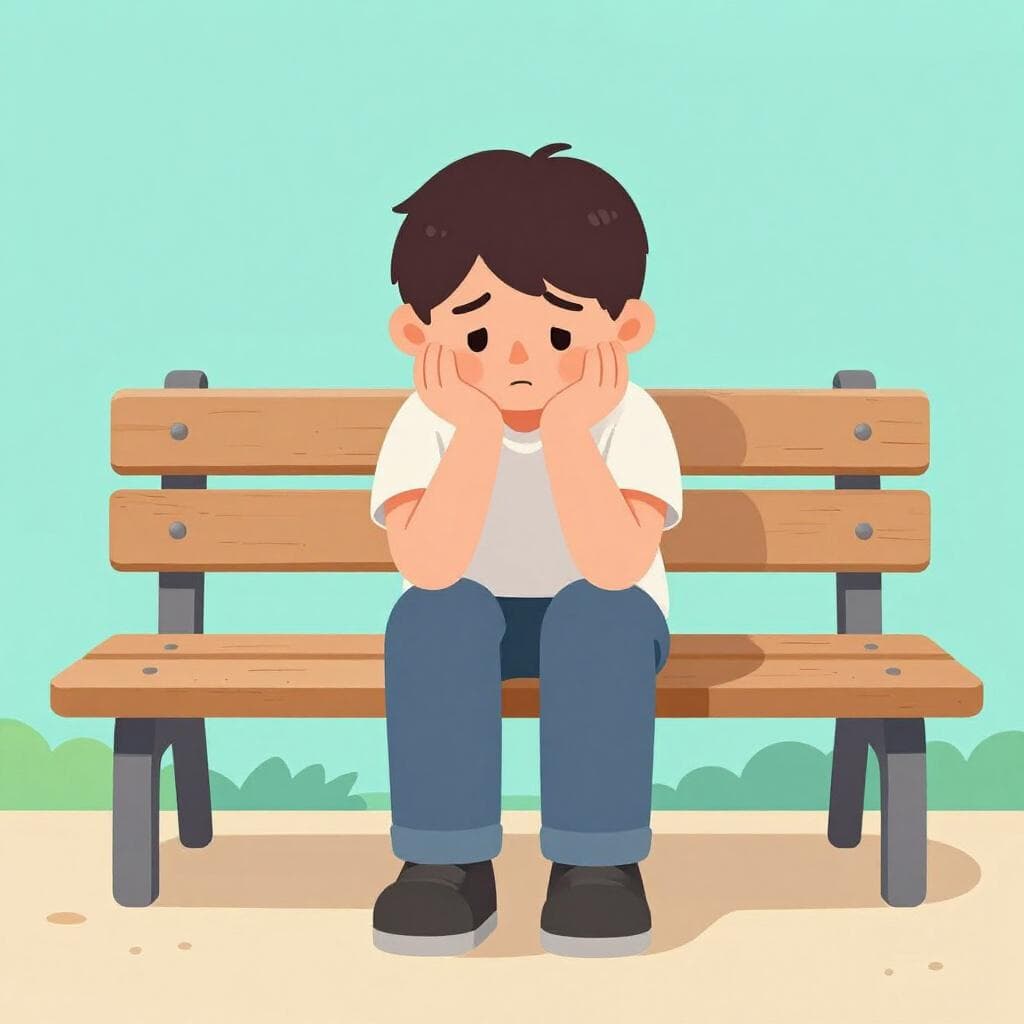
to decline
Also: to deteriorate, to decay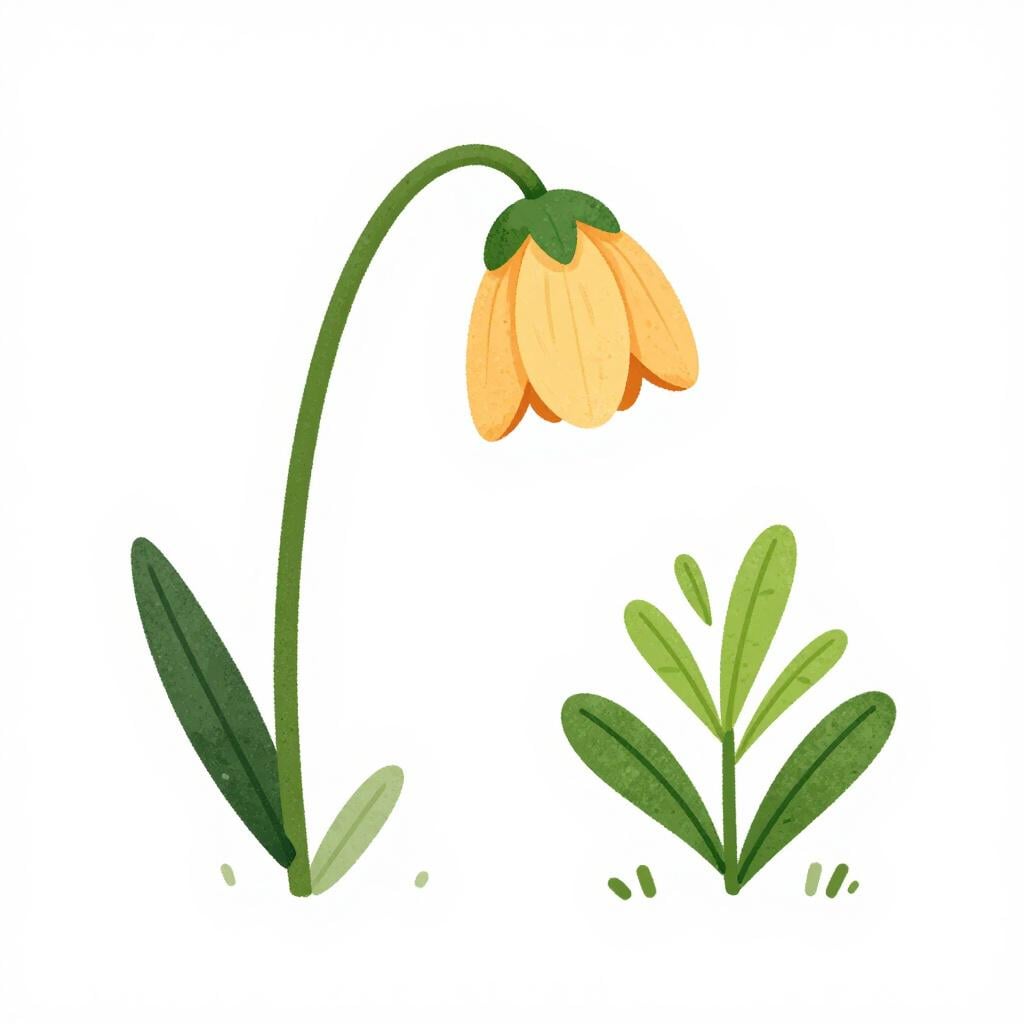
📝 In Action
La economía del país empezó a decaer después de la guerra.
B2The country's economy began to decline after the war.
Su salud ha decaído mucho en los últimos meses.
B2His health has deteriorated a lot in recent months.
El imperio romano comenzó a decaer lentamente.
C1The Roman Empire began to decay slowly.
to lose heart
Also: to fade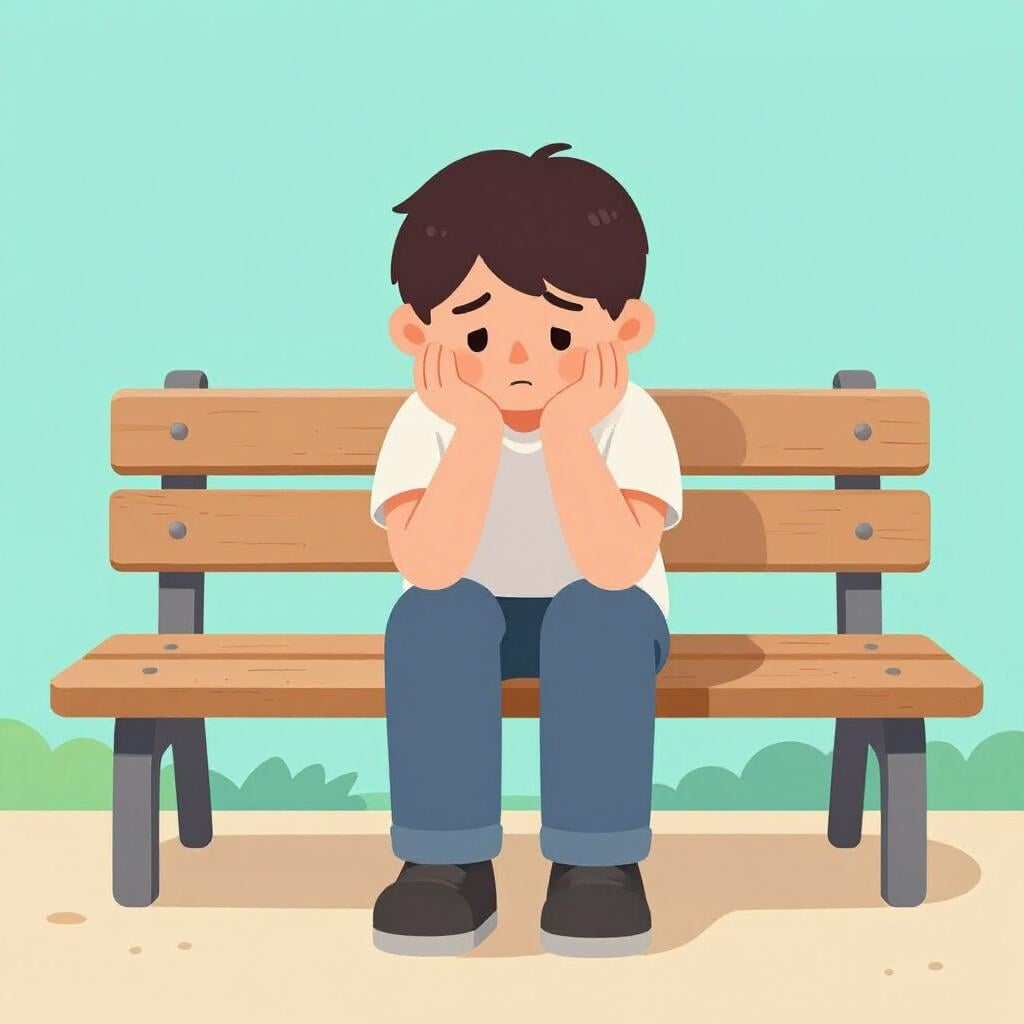
📝 In Action
No dejes que tu ánimo decaiga en los momentos difíciles.
B2Don't let your spirits fall during difficult times.
El entusiasmo inicial empezó a decaer al tercer día.
C1The initial enthusiasm began to fade on the third day.
Subjunctive
Imperfect Subjunctive
Present Subjunctive
Indicative
Preterite
Imperfect
Present
Translate to Spanish
✏️ Quick Practice
Quick Quiz: decaer
Question 1 of 3
How do you say 'I decline' (present tense) in Spanish?
📚 More Resources
👥 Word Family▼
📚 Etymology▼
From the Latin word 'decadere', which combines 'de-' (down) and 'cadere' (to fall). It literally means 'to fall down'.
First recorded: 13th century
Cognates (Related words)
💡 Master Spanish
Take your Spanish to the next level. Read 200+ illustrated and narrated Spanish stories tailored to your level with the Inklingo app!
Frequently Asked Questions
What is the difference between caer and decaer?
Caer simply means to fall physically. Decaer is more figurative, meaning to decline in strength, quality, or mood.
Is 'decaer' a common word?
It is moderately common. You will hear it often in news reports about the economy or when doctors describe a patient's condition.
Can I use 'decaer' for a person's mood?
Yes! It is very common to say 'su ánimo decayó' to mean that someone's spirits fell or they became discouraged.