How to Say "to rot" in Spanish
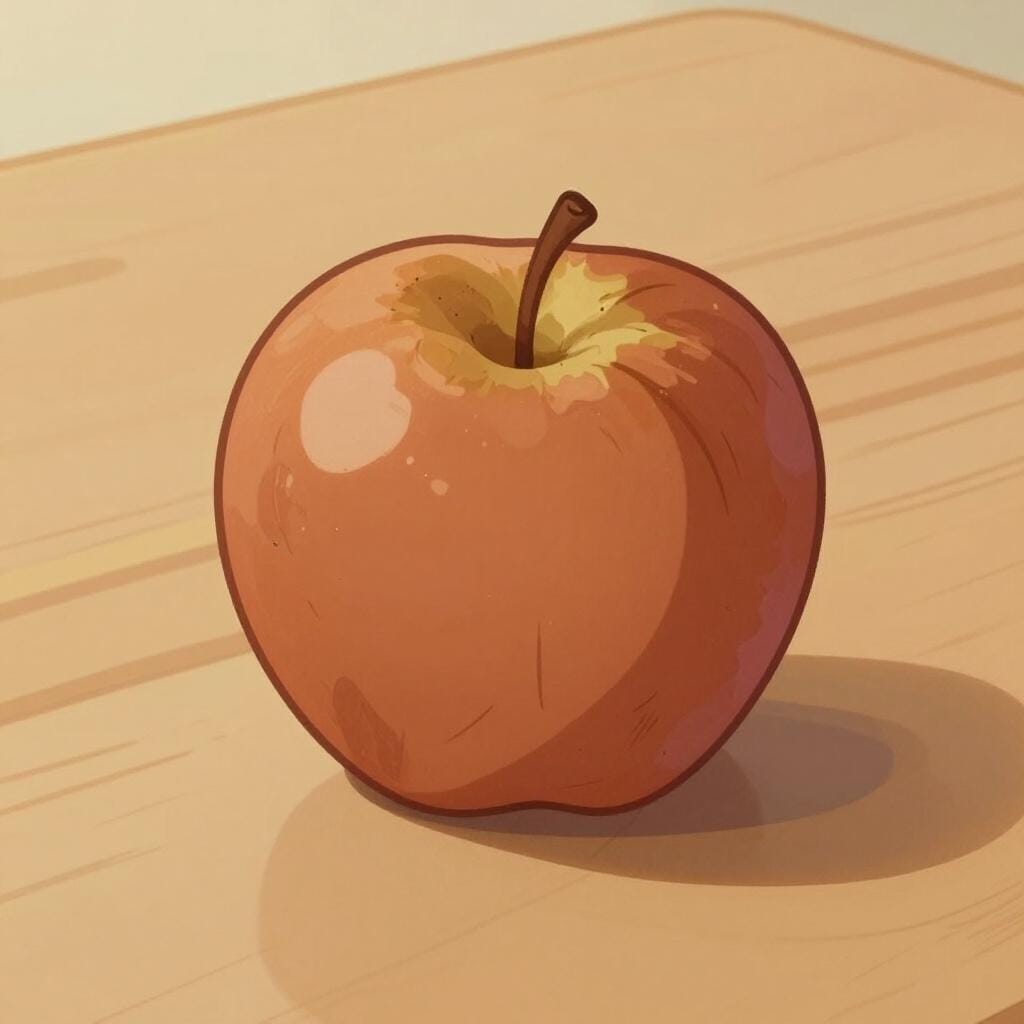
The most common Spanish word for “to rot” is “pudrir” — use 'pudrir' when referring to organic matter, like food or plants, breaking down and decaying naturally.
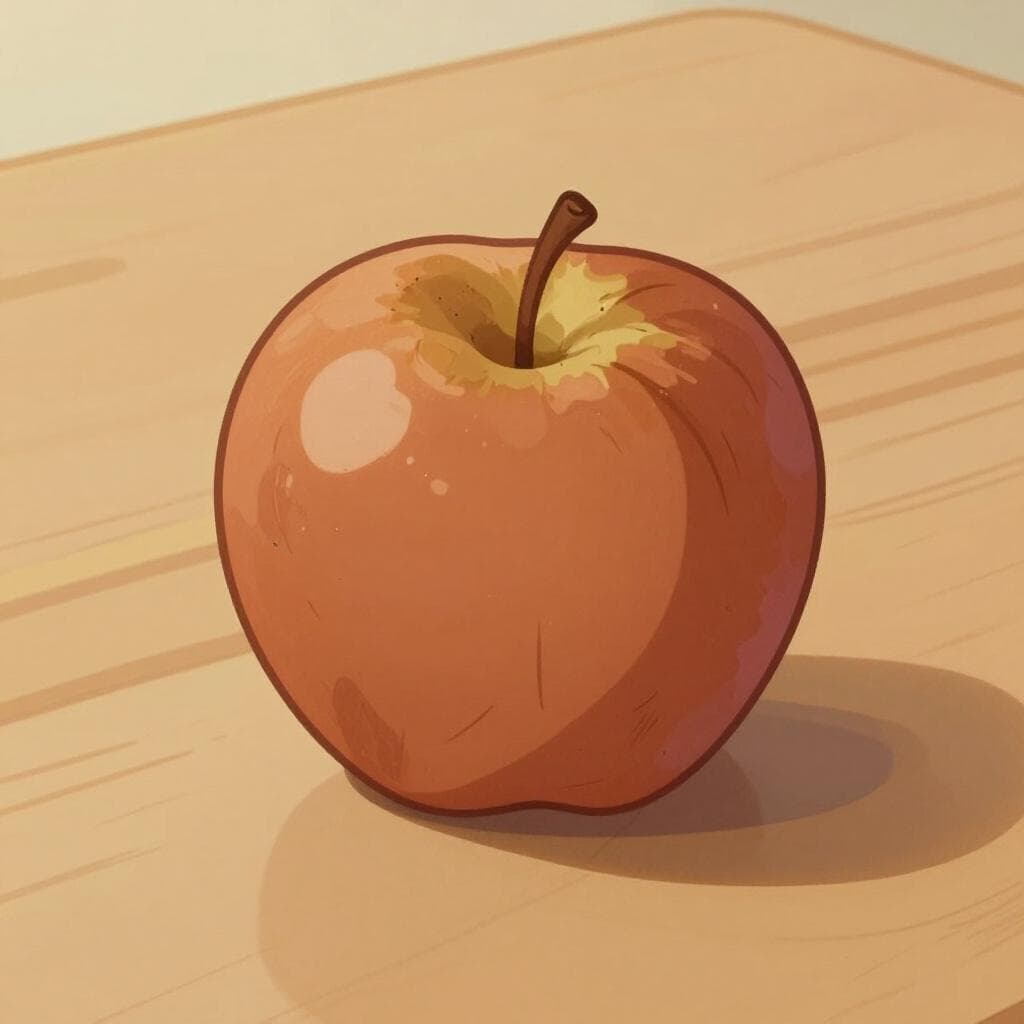
Use 'pudrir' when referring to organic matter, like food or plants, breaking down and decaying naturally.
Learn more →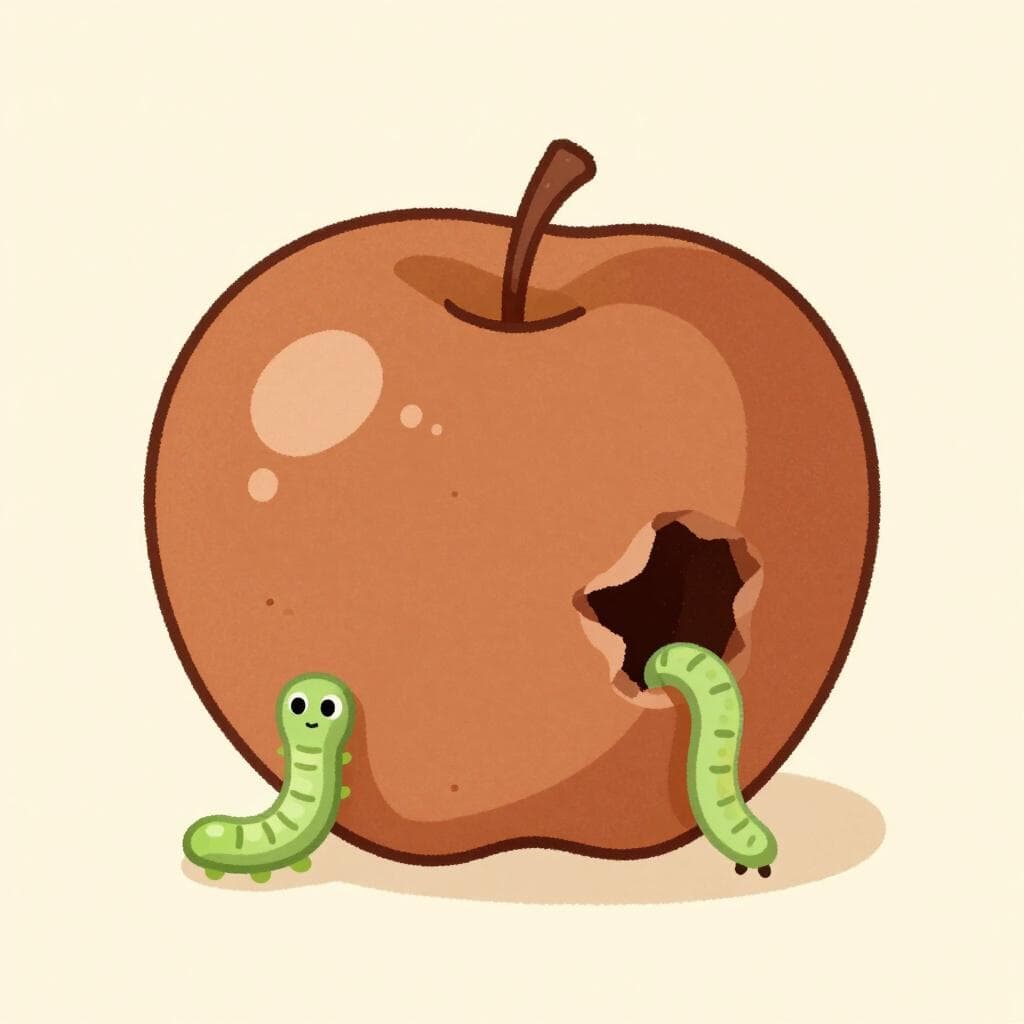
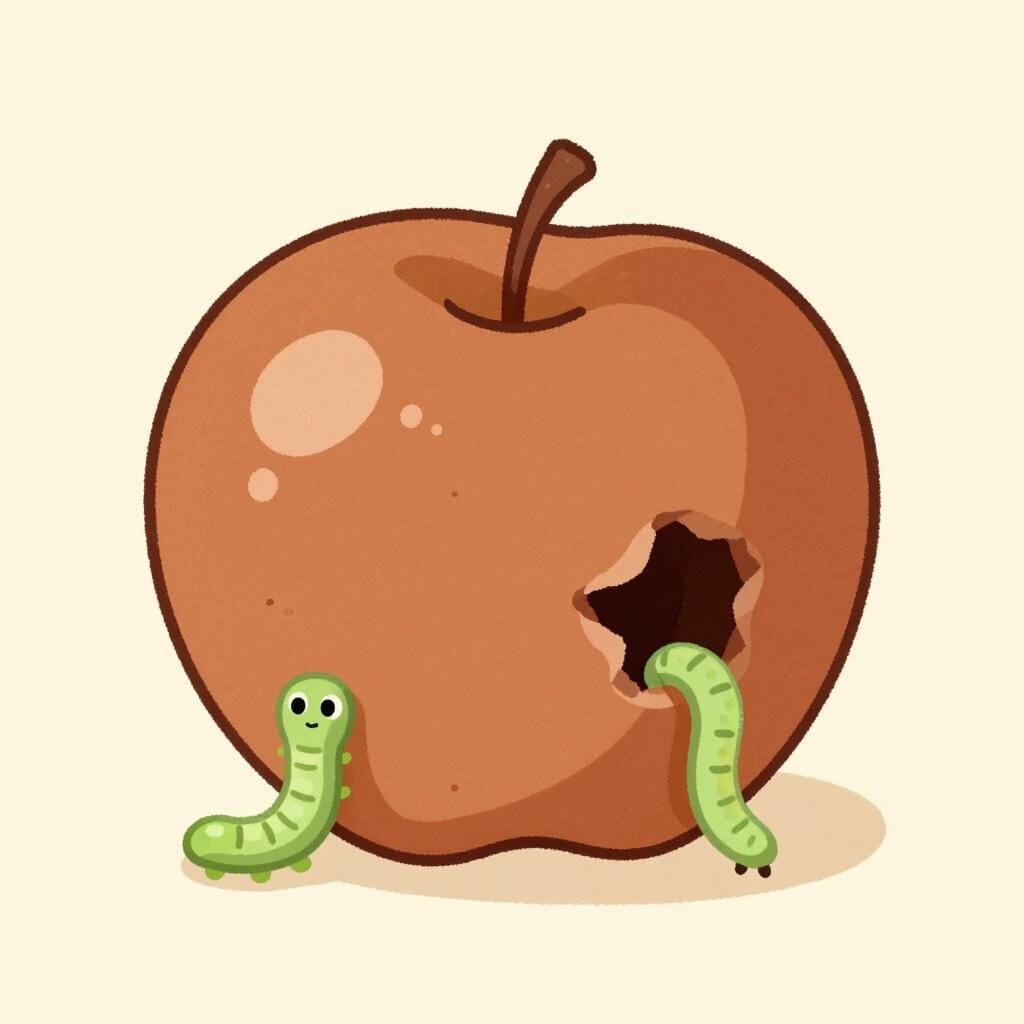
Use 'corromper' for organic matter decaying, especially when it suggests spoilage, putrefaction, or a more advanced state of decay, sometimes with negative connotations.
Learn more →poo-dreerpuˈðɾiɾ
Examples
Las manzanas se empezaron a pudrir en la cesta.
The apples started to rot in the basket.
La lluvia constante pudrió la madera de la cerca.
The constant rain rotted the wood of the fence.
Si dejas la basura ahí mucho tiempo, se va a pudrir.
If you leave the trash there for a long time, it's going to rot.
The 'O' to 'U' History
This verb used to be spelled 'podrir', but modern Spanish has standardized the infinitive to 'pudrir'. However, the adjective 'podrido' (rotten) still uses the 'o'!
Using the Reflexive Form
When something rots on its own, we usually add 'se' to the end: 'La comida SE pudre' (The food is rotting).
The Past Participle Trap
Mistake: “La fruta está 'pudrida'.”
Correction: La fruta está 'podrida'. Even though the verb is 'pudrir', the word for 'rotten' uses an 'o'.
ko-rrohm-PEHRko.romˈpeɾ
Examples
El calor extremo hizo que la carne se corrompiera en pocas horas.
The extreme heat caused the meat to rot in a few hours.
El agua del pozo se corrompió por falta de circulación.
The well water became stagnant and spoiled due to lack of circulation.
Sentimos un olor a materia corrompida.
We smelled the scent of decaying matter.
The 'become' pattern
When things rot naturally, Spanish usually adds 'se' to the end of the verb (se corrompe) to show the change happened by itself.
Pudrir vs. Corromper
Learners often confuse 'pudrir' and 'corromper'. While 'corromper' can mean to rot, it also carries connotations of moral corruption. Stick to 'pudrir' for simple decay of food or plants unless you specifically want to imply spoilage or a more advanced, unpleasant decomposition.
Related Translations
Learn Spanish with Inklingo
Interactive stories, personalized learning, and more.