pudrir
“pudrir” means “to rot” in Spanish. It has 2 different meanings depending on context:
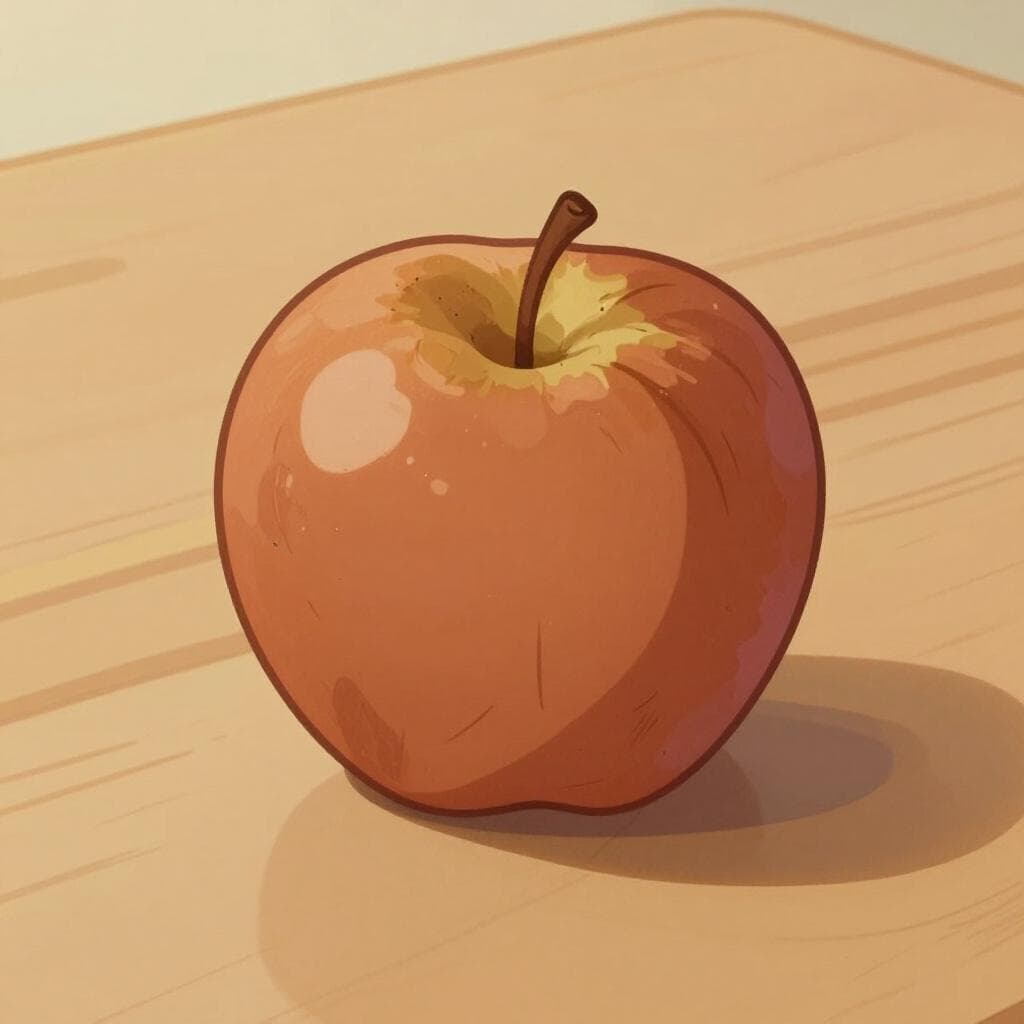

to rot
Also: to decay, to decompose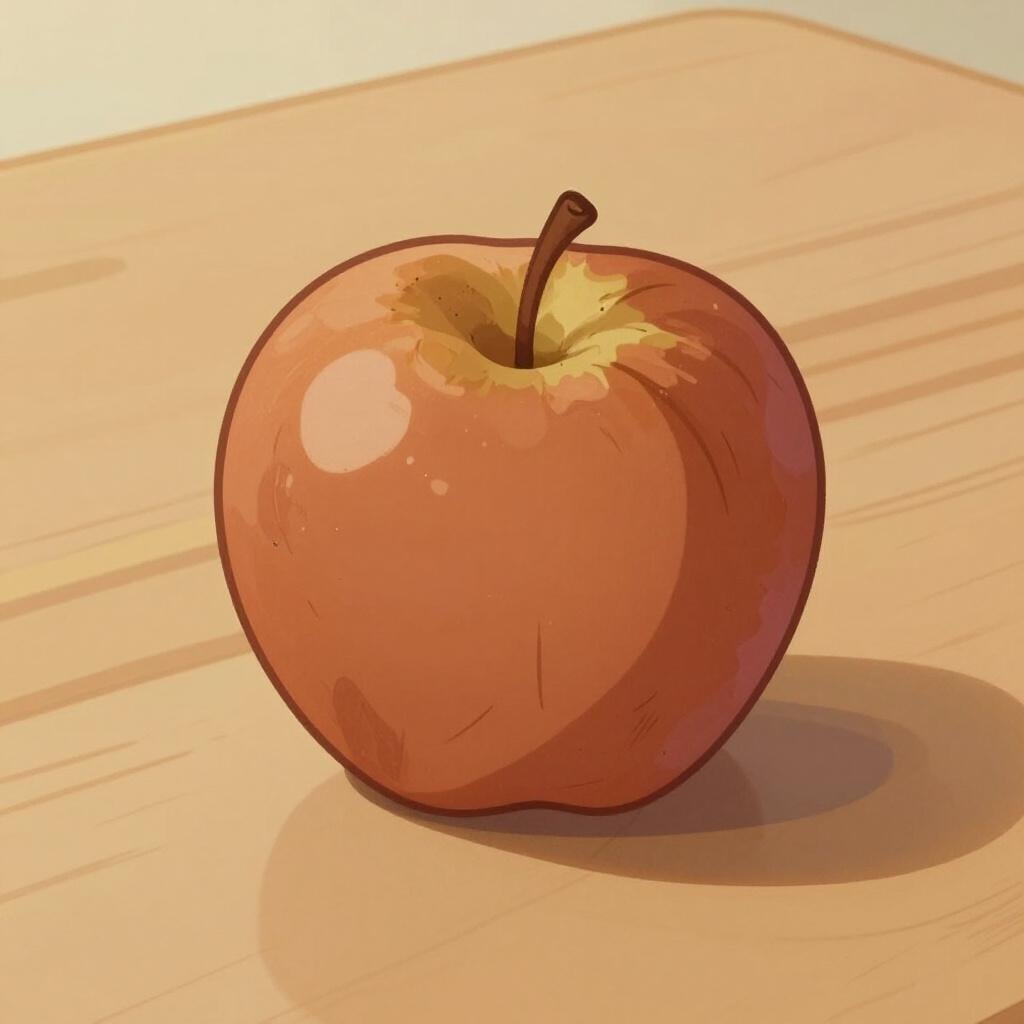
📝 In Action
Las manzanas se empezaron a pudrir en la cesta.
A2The apples started to rot in the basket.
La lluvia constante pudrió la madera de la cerca.
B1The constant rain rotted the wood of the fence.
Si dejas la basura ahí mucho tiempo, se va a pudrir.
B1If you leave the trash there for a long time, it's going to rot.
to annoy / to pester
Also: to wear out
📝 In Action
Me pudre que siempre pongas excusas.
C1It bugs me (rots me) that you always make excuses.
Ese ruido me está pudriendo los nervios.
B2That noise is wearing my nerves thin.
Subjunctive
Imperfect Subjunctive
Present Subjunctive
Indicative
Preterite
Imperfect
Present
Translate to Spanish
✏️ Quick Practice
Quick Quiz: pudrir
Question 1 of 3
What is the correct way to say 'The apple is rotten'?
📚 More Resources
👥 Word Family▼
📚 Etymology▼
Derived from the Latin word 'putrēre', which means 'to be rotten'. It is closely related to the English word 'putrid'.
First recorded: 13th century
Cognates (Related words)
💡 Master Spanish
Take your Spanish to the next level. Read 200+ illustrated and narrated Spanish stories tailored to your level with the Inklingo app!
Frequently Asked Questions
Is it 'podrir' or 'pudrir'?
Both were used historically, but 'pudrir' is the standard and most correct form in modern Spanish. However, the past participle is almost always 'podrido'.
Does 'pudrir' always mean something smells bad?
Usually, yes, as it refers to biological decay. But it can also be used for wood or metal (decaying) or even figuratively for people's patience.
Is 'pudrir' a common word?
It is moderately common. You will hear it most often in contexts involving food, nature, or very frustrated informal conversations.