aburrir
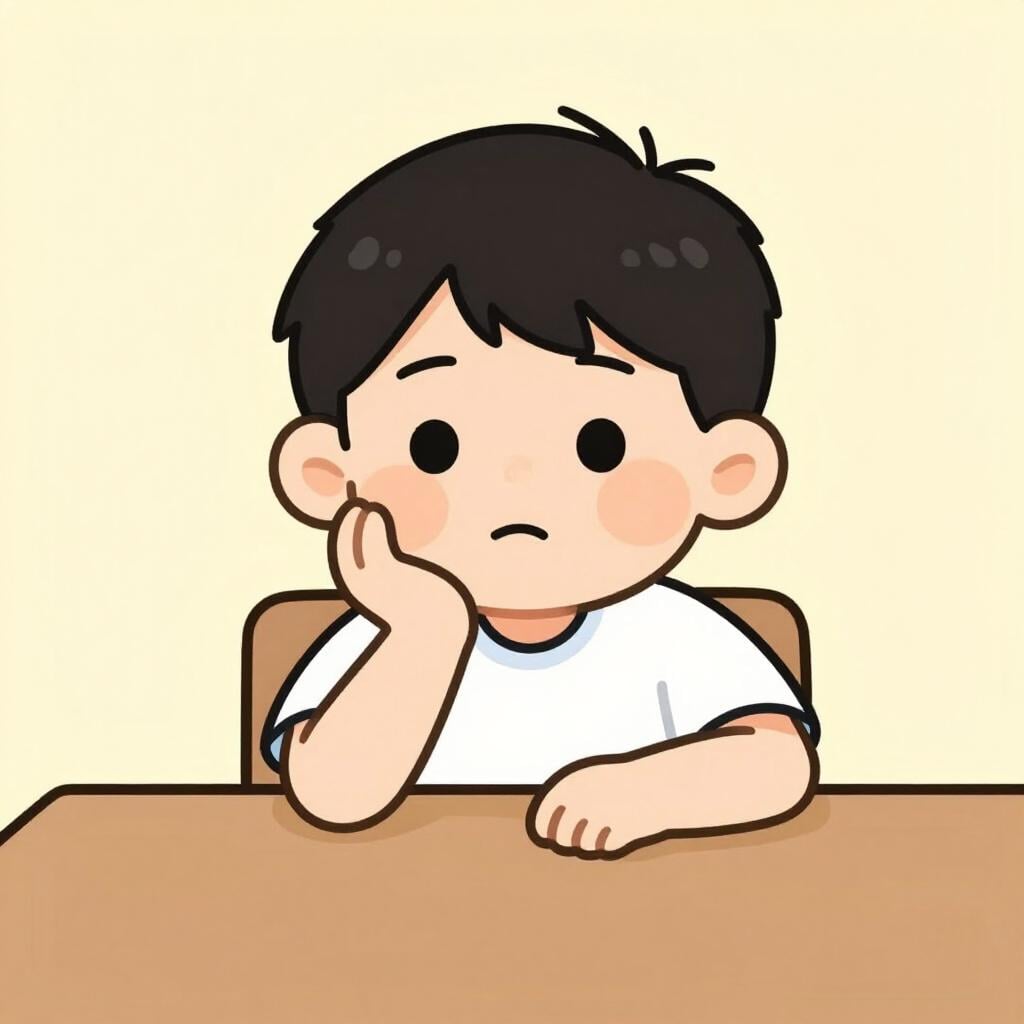
“aburrir” means “to bore” in Spanish (when something or someone is not interesting).
to boreAlso: to tire, to get bored
📝 In Action
La película me aburre mucho.
A1The movie bores me a lot.
Me aburro cuando no tengo nada que hacer.
A2I get bored when I have nothing to do.
No quiero aburriros con los detalles de mi viaje.
B1I don't want to bore you all with the details of my trip.
Word Connections
Subjunctive
Imperfect Subjunctive
Present Subjunctive
Indicative
Preterite
Imperfect
Present
✏️ Quick Practice
Quick Quiz: aburrir
Question 1 of 3
How do you say 'I get bored' in Spanish?
📚 More Resources
👥 Word Family
📚 Etymology
From the Latin word 'abhorrēre', which originally meant 'to shrink back' or 'to shudder'. Over time, it shifted from physical revulsion to the mental feeling of boredom.
First recorded: 13th century
Cognates (Related words)
💡 Master Spanish
Take your Spanish to the next level. Read 200+ illustrated and narrated Spanish stories tailored to your level with the Inklingo app!
Frequently Asked Questions
Is 'aburrir' a regular verb?
Yes! It follows the standard pattern for verbs ending in -ir.
What's the difference between 'aburrir' and 'aburrirse'?
'Aburrir' means to bore someone else (The teacher bores me). 'Aburrirse' means to get bored yourself (I get bored in class).
Can I use 'aburrir' for people and things?
Absolutely. A book can 'aburrir' you, or a person who talks too much can 'aburrir' you.