cansar
“cansar” means “to tire (someone) out” in Spanish. It has 2 different meanings depending on context:

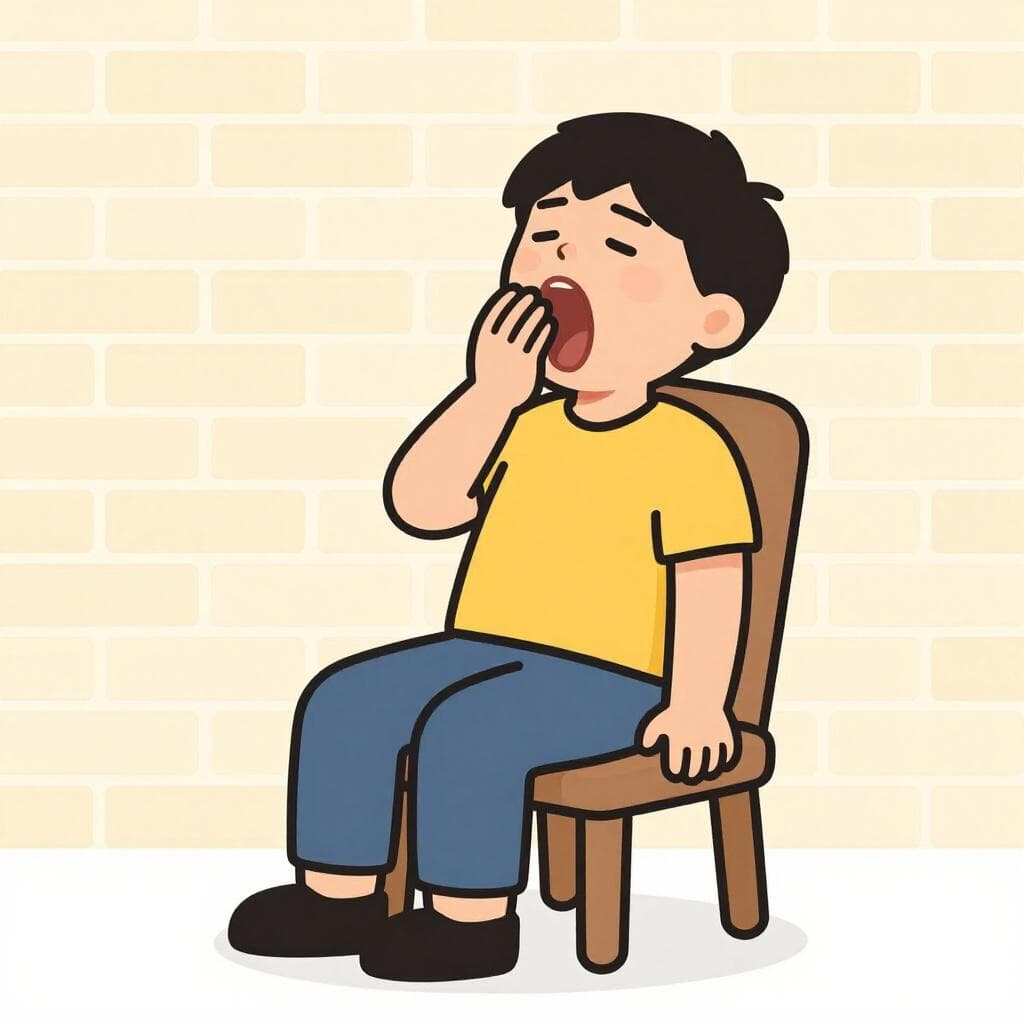
to tire (someone) out
Also: to fatigue
📝 In Action
Subir las escaleras me cansa mucho.
A1Climbing the stairs tires me out a lot.
El sol fuerte cansa a los niños.
A2The strong sun tires the children out.
No quiero cansarte con tanto trabajo.
B1I don't want to exhaust you with so much work.
to bore
Also: to annoy / to get on nerves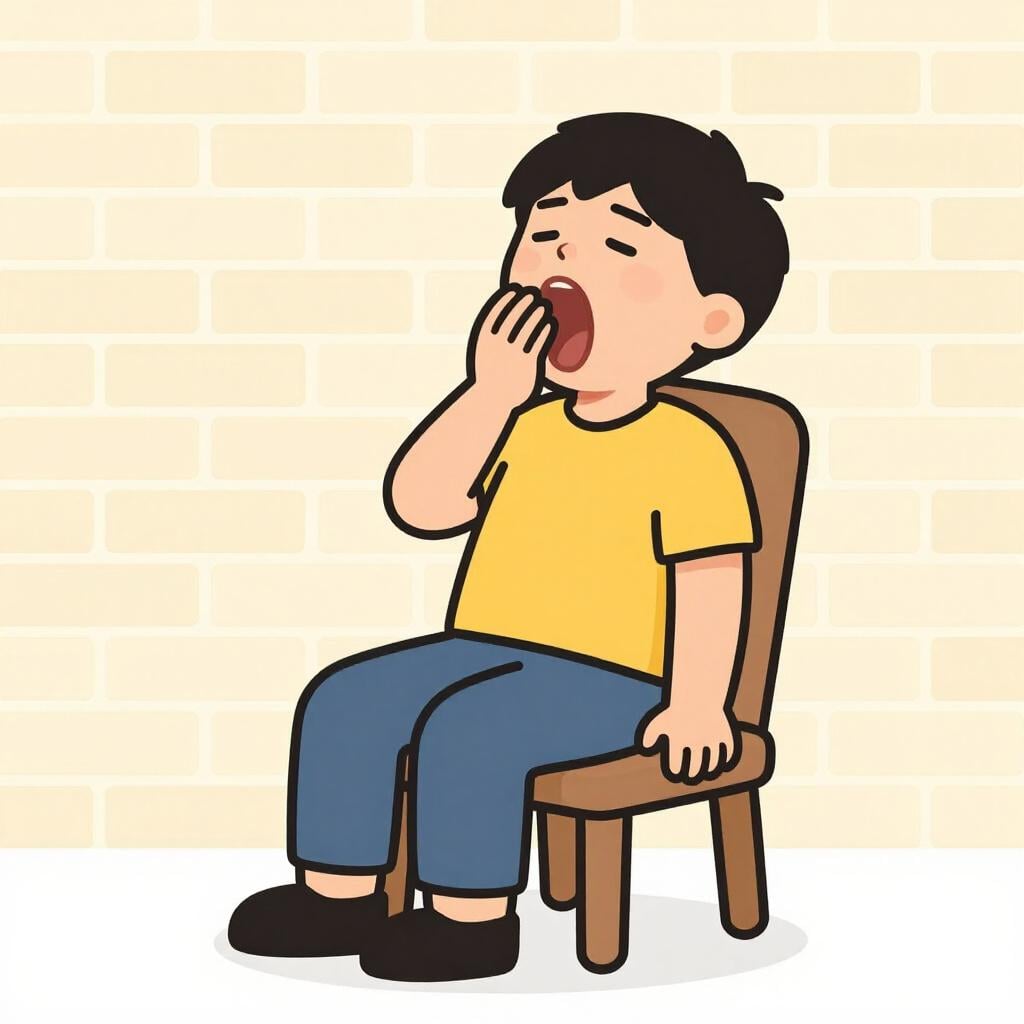
📝 In Action
Sus historias siempre me cansan.
B1His stories always bore me.
Ya me cansa su mala actitud.
B2I'm getting tired of his bad attitude.
No me canso de ver esta película.
A2I never get tired of watching this movie.

Subjunctive
Imperfect Subjunctive
Present Subjunctive
Indicative
Preterite
Imperfect
Present
Translate to Spanish
✏️ Quick Practice
Quick Quiz: cansar
Question 1 of 3
How do you say 'The exercise tires me'?
📚 More Resources
👥 Word Family▼
📚 Etymology▼
From the Latin word 'campsare', which originally meant 'to double a cape' (a sailing term). The action of sailing around a cape was so difficult and repetitive that the word eventually came to mean 'to tire' or 'to exhaust'.
First recorded: 13th century
Cognates (Related words)
💡 Master Spanish
Take your Spanish to the next level. Read 200+ illustrated and narrated Spanish stories tailored to your level with the Inklingo app!
Frequently Asked Questions
Is 'cansar' a regular verb?
Yes! It follows the standard pattern for all verbs ending in -ar.
What is the difference between 'cansar' and 'cansarse'?
'Cansar' is what something else does to you (That job tires me). 'Cansarse' is the process of you becoming tired (I get tired quickly).
Can 'cansar' mean 'to annoy'?
Yes, in a figurative sense. If someone repeats the same joke, you can say 'Me cansas' to mean 'You're boring/annoying me'.