How to Say "to bore" in Spanish
The most common Spanish word for “to bore” is “aburrir” — use 'aburrir' when something or someone is not interesting and causes a lack of interest or a feeling of weariness.

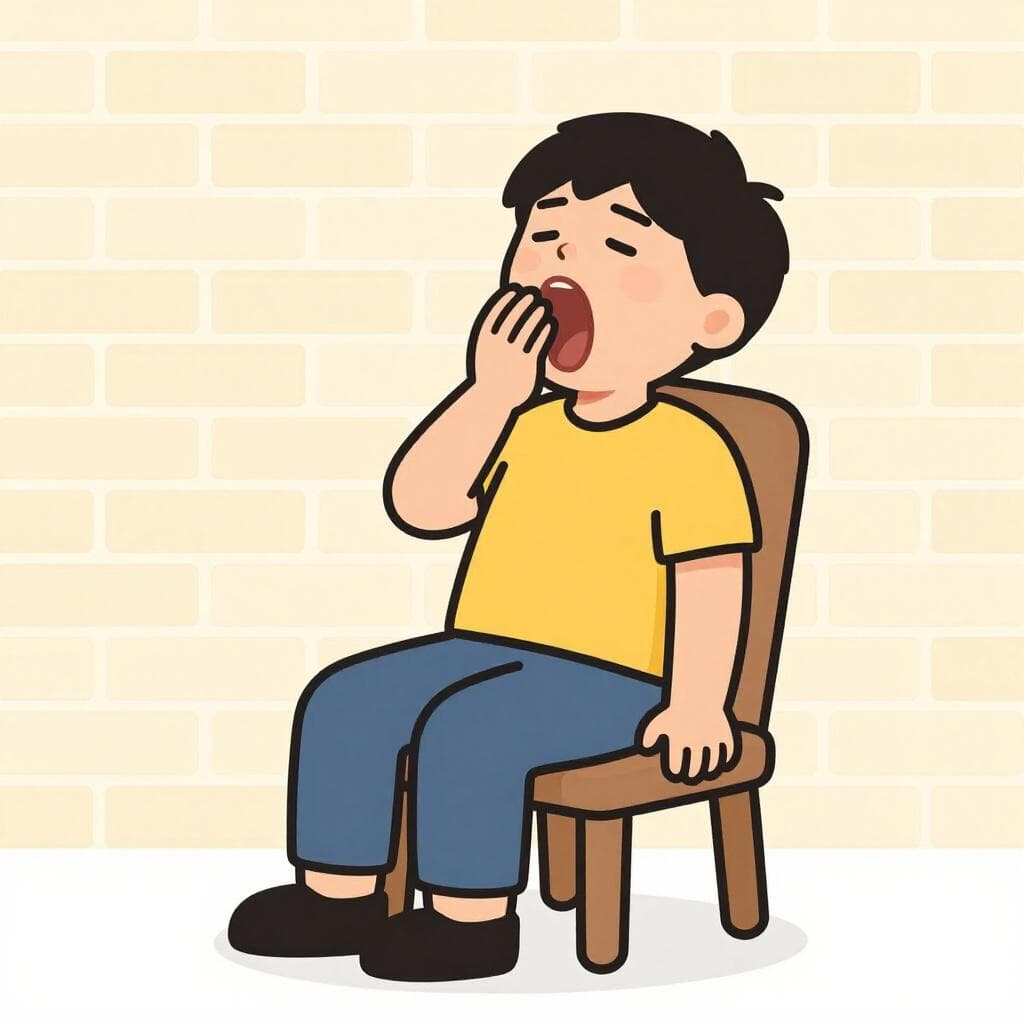


aburrir
ah-boo-reeraβuˈrir

Examples
El documental sobre la Segunda Guerra Mundial me aburrió.
The documentary about World War II bored me.
La película me aburre mucho.
The movie bores me a lot.
Me aburro cuando no tengo nada que hacer.
I get bored when I have nothing to do.
No quiero aburriros con los detalles de mi viaje.
I don't want to bore you all with the details of my trip.
The 'Gustar' Pattern
When you want to say something bores you, use the same structure as 'gustar'. Put the person receiving the boredom first: 'Me aburre el fútbol' (Soccer bores me).
Doing it to Yourself
If you add 'se' to the end (aburrirse), it means 'to get bored'. In this case, the verb changes based on who is feeling bored: 'Me aburro' (I get bored).
Boring vs. Bored
Mistake: “Using 'Soy aburrido' to say you feel bored right now.”
Correction: Use 'Estoy aburrido'. 'Soy aburrido' means you are a boring person in general!
cansar
kahn-SAHRkanˈsaɾ
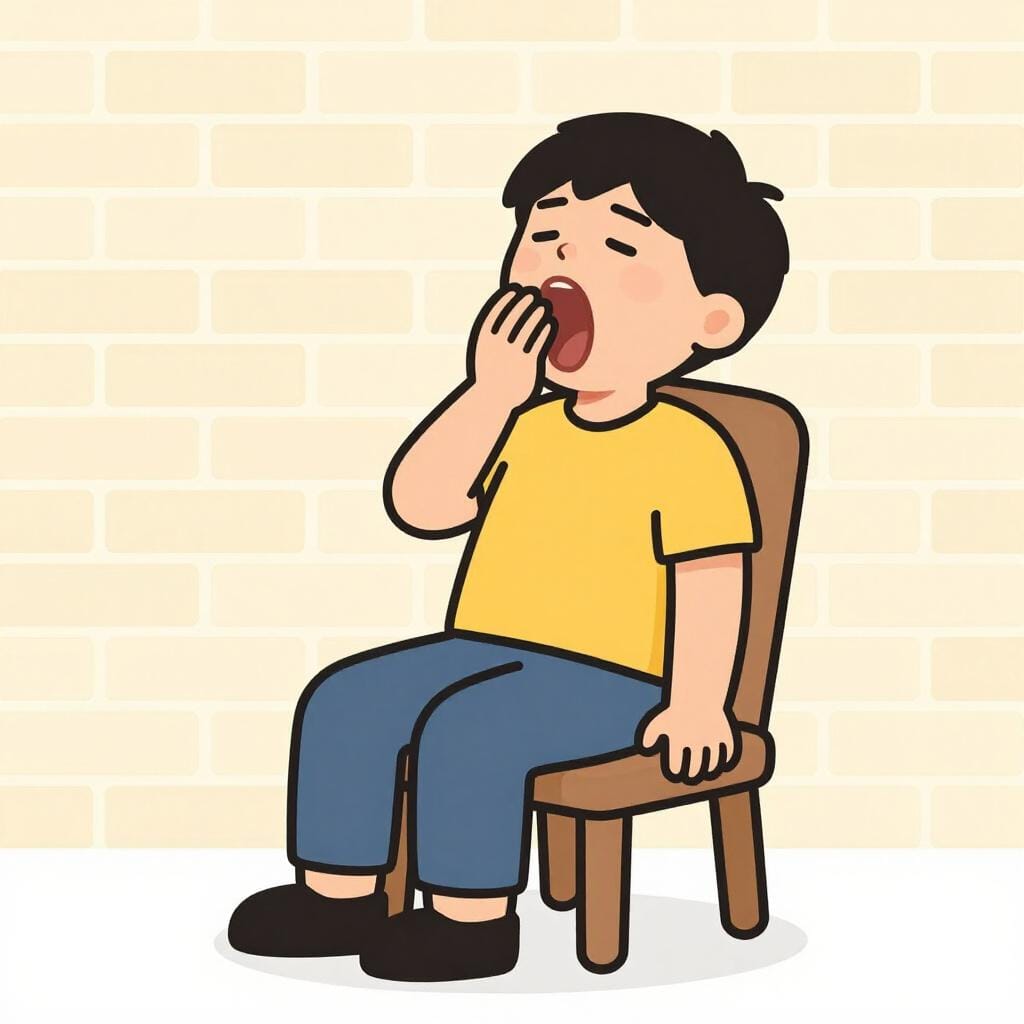
Examples
Siempre cuenta las mismas anécdotas y me cansa.
He always tells the same anecdotes and it bores me.
Sus historias siempre me cansan.
His stories always bore me.
Ya me cansa su mala actitud.
I'm getting tired of his bad attitude.
No me canso de ver esta película.
I never get tired of watching this movie.
Similar to 'Gustar'
When used to mean 'to bore,' it often acts like the verb 'gustar'. You say 'Me cansa' (It tires me) to mean 'I am tired of this'.
hartar
ar-TARaɾˈtaɾ

Examples
Sus excusas constantes me están hartando.
His constant excuses are starting to bore/annoy me.
Tus quejas me van a hartar.
Your complaints are going to annoy me.
Ese ruido termina por hartar a cualquiera.
That noise ends up tiring anyone out.
No quiero hartarte con mis problemas personales.
I don't want to bore you with my personal problems.
Using 'Hartar' vs 'Hartarse'
Use 'hartar' when you are annoying someone else. Use the reflexive 'hartarse' (adding -se to the end) when you are the one getting fed up.
The preposition 'de'
When you want to say what specifically is annoying you, use the word 'de' after the verb, as in 'Me harté de esperar' (I got fed up with waiting).
Confusing 'Hartar' with 'Odiar'
Mistake: “Using hartar to mean 'I hate it' permanently.”
Correction: Hartar is usually about reaching a limit of patience. Use 'odiar' for hate and 'hartar' for losing your cool after too much of something.
matar
ma-tarmaˈtaɾ

Examples
Leí un libro para matar el aburrimiento durante el viaje.
I read a book to kill time during the trip.
Mientras esperaba el autobús, leí un libro para matar el tiempo.
While I waited for the bus, I read a book to kill time.
Esta clase me está matando de aburrimiento.
This class is killing me with boredom.
Mi jefe me mata con tanto trabajo.
My boss is killing me with so much work.
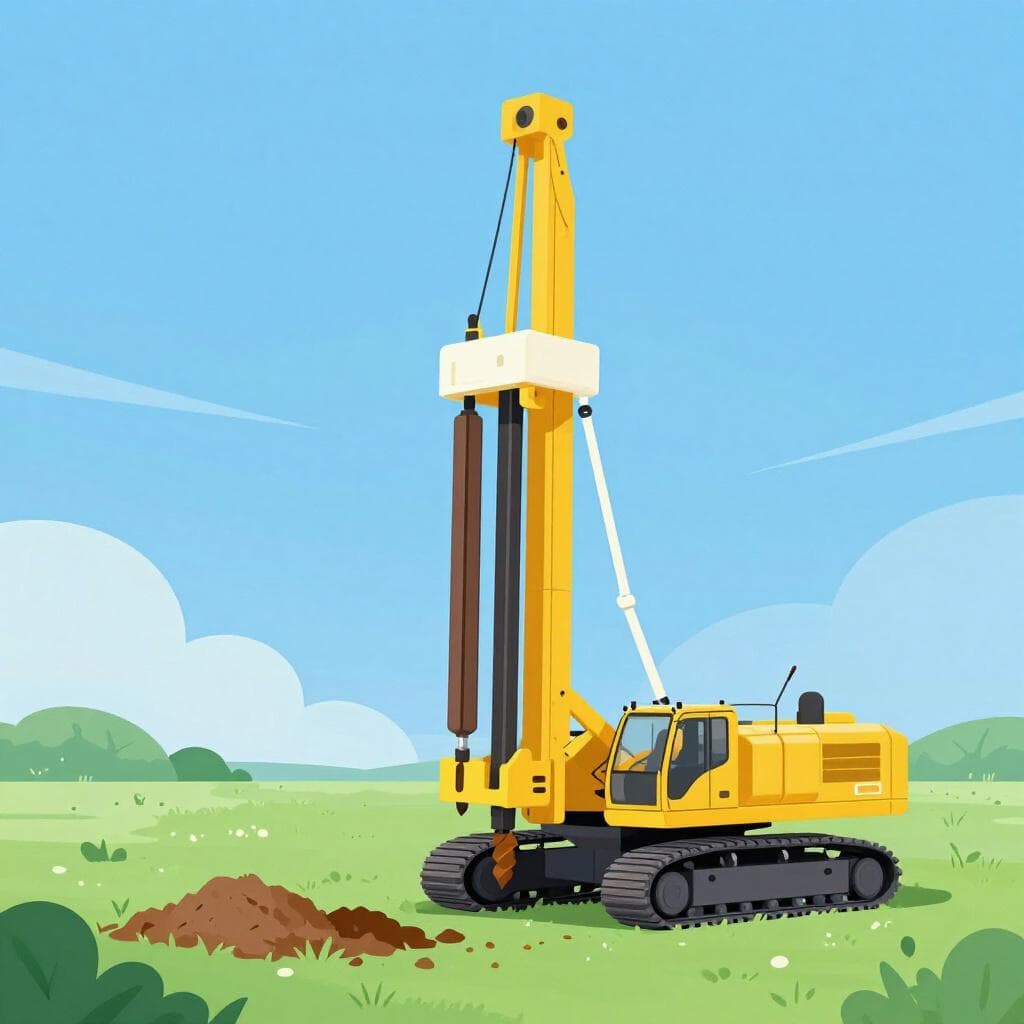
perforar
pair-fo-RARpeɾfoˈɾaɾ
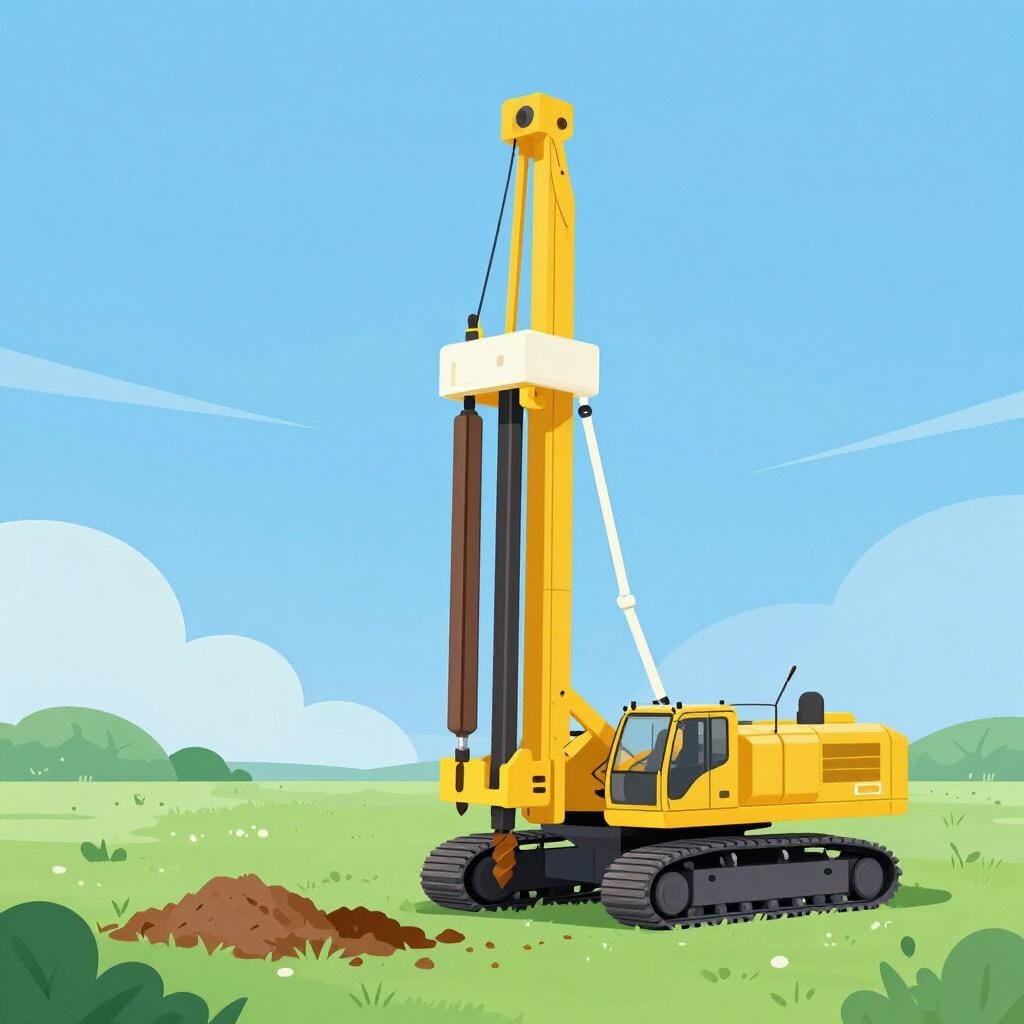
Examples
Los ingenieros perforaron la montaña para construir el túnel.
The engineers bored through the mountain to build the tunnel.
La petrolera está perforando en el mar.
The oil company is drilling at sea.
Perforaron la montaña para construir la autopista.
They tunneled through the mountain to build the highway.
Industrial Context
In engineering, 'perforar' is often followed by the material being drilled or the resource being sought (using 'en busca de').
Aburrir vs. Cansar vs. Hartar
Related Translations
Learn Spanish with Inklingo
Interactive stories, personalized learning, and more.