How to Say "to pierce" in Spanish
The most common Spanish word for “to pierce” is “perforar” — use this word when making a hole in a material like paper, fabric, or skin, often with a tool like a punch or needle.
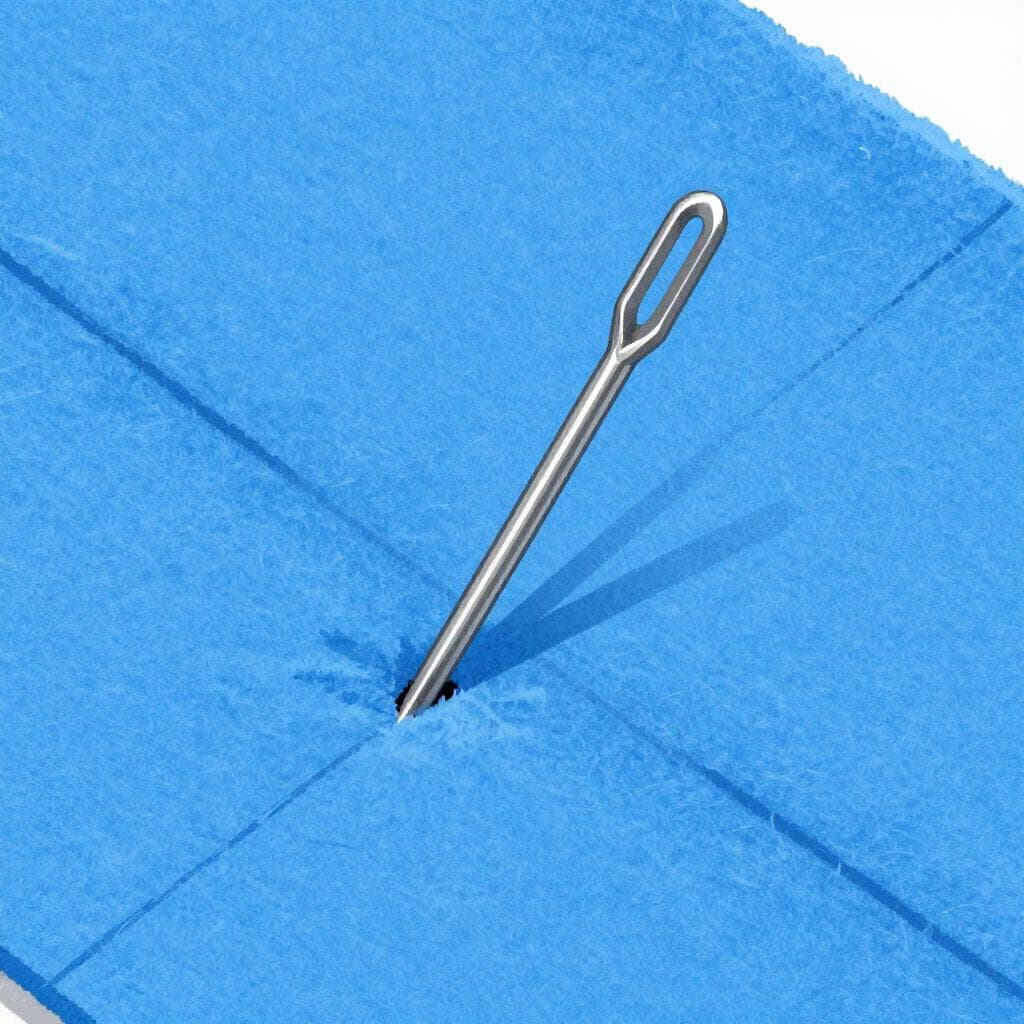
Use this word when making a hole in a material like paper, fabric, or skin, often with a tool like a punch or needle.
Learn more →
Use this when a sharp object or light passes completely through something, implying a penetration from one side to the other.
Learn more →
Use this when a sharp object forcefully goes through a solid object, emphasizing the action of passing through.
Learn more →
Use this when a substance or force successfully breaks through and enters a surface or area.
Learn more →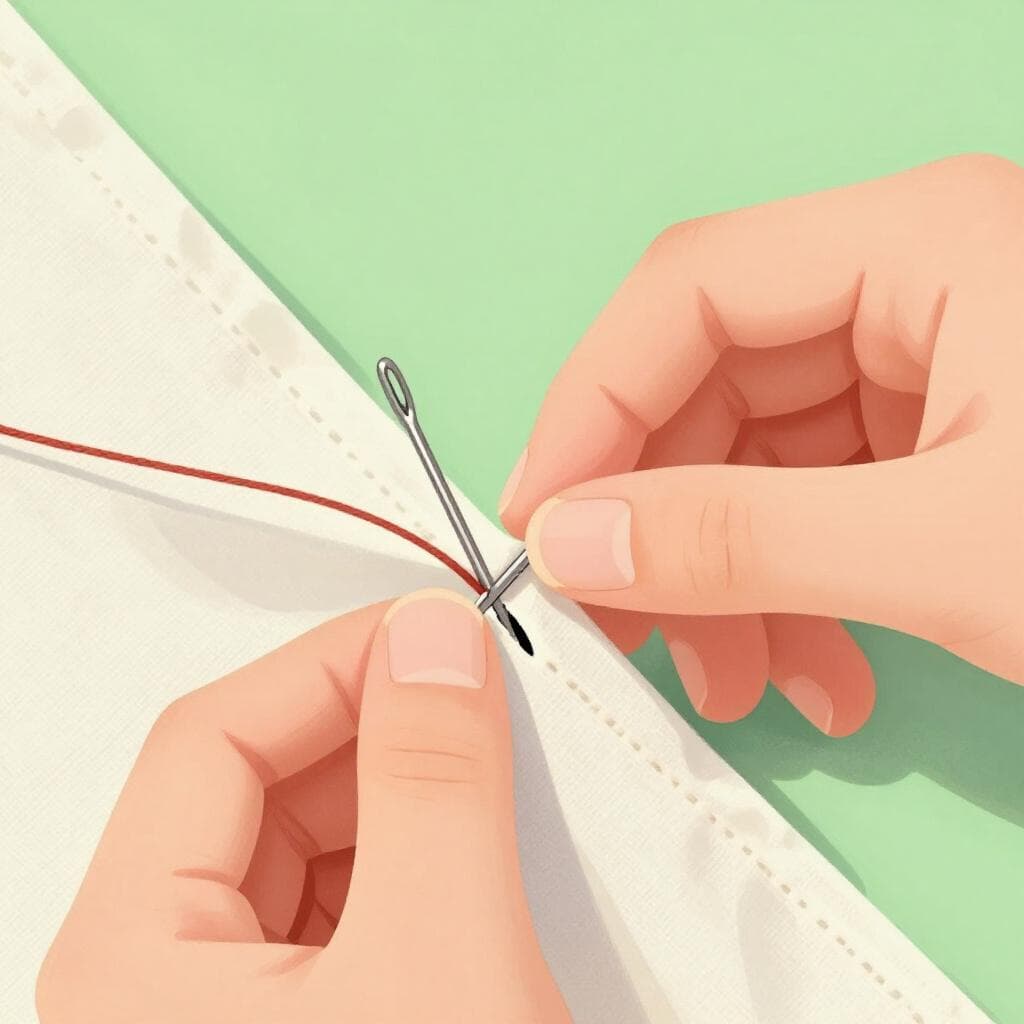
Use this specifically when creating buttonholes or eyelets in fabric or similar materials.
Learn more →pair-fo-RARpeɾfoˈɾaɾ
Examples
Necesito perforar estas hojas para ponerlas en la carpeta.
I need to punch holes in these sheets to put them in the folder.
Ella decidió perforarse las orejas en una joyería.
She decided to get her ears pierced at a jewelry store.
El proyectil logró perforar el blindaje del tanque.
The projectile managed to pierce the tank's armor.
Using 'se' for Personal Piercings
When talking about getting your own body pierced (like ears), use the reflexive form 'perforarse' (e.g., 'Me perforé la nariz').
Direct Object Connection
This word directly affects the object being pierced. You don't need a preposition like 'in' or 'on'—just say 'perforar el metal' (to pierce the metal).
Confusion with 'Piercing'
Mistake: “Me hice un perforar.”
Correction: Me hice un piercing (noun) or Me perforé (verb).
trahs-pah-SAHRtɾaspaˈsaɾ
Examples
La luz del sol traspasa las cortinas finas.
The sunlight goes through the thin curtains.
El frío me traspasa los huesos.
The cold pierces through my bones.
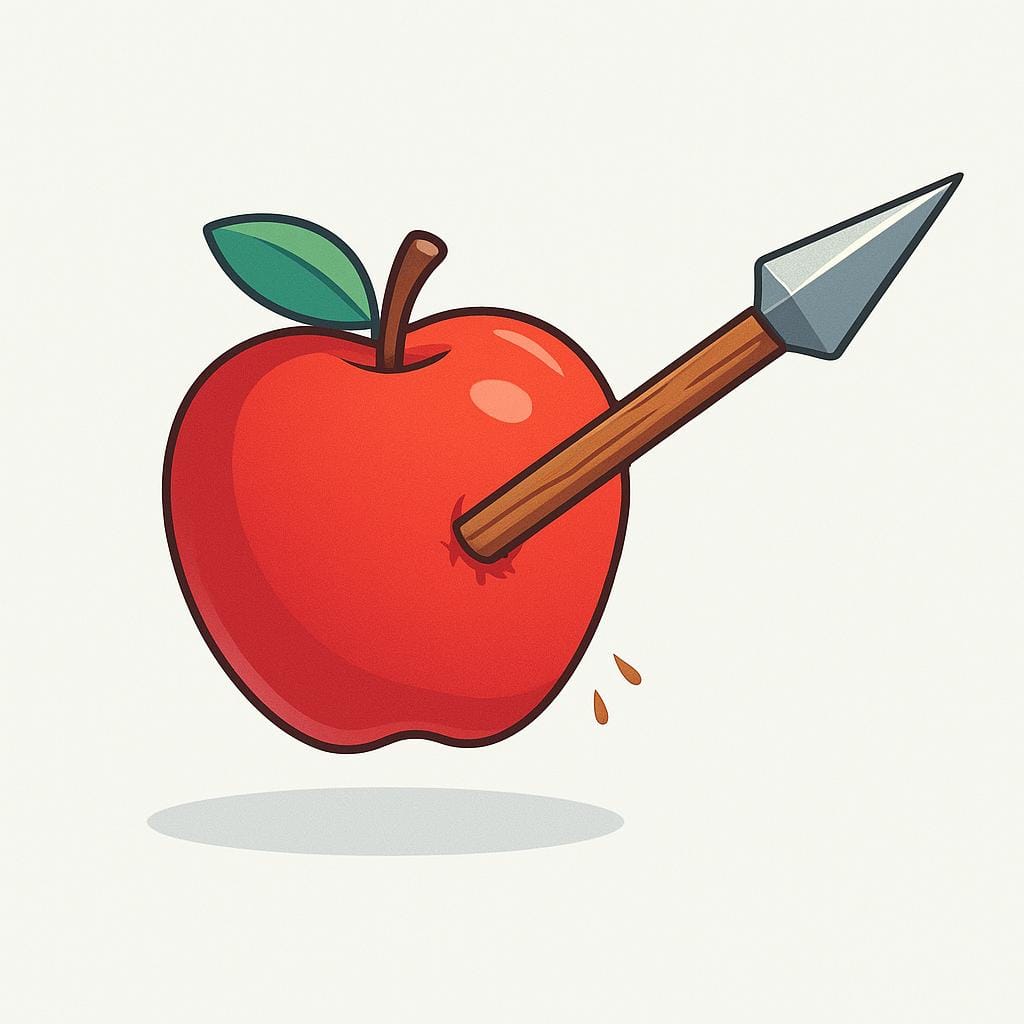
La flecha traspasó la manzana de lado a lado.
The arrow pierced the apple from side to side.
Traspasar vs. Pasar
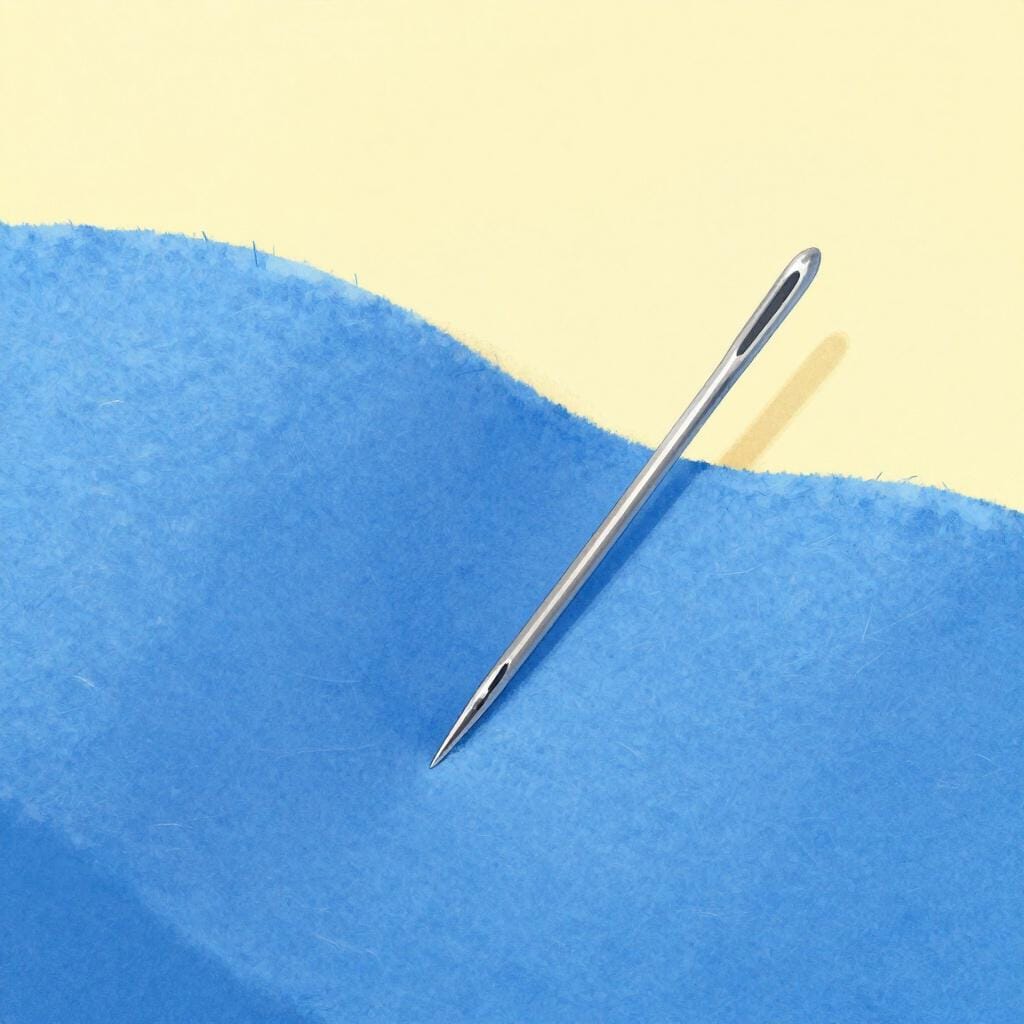
While 'pasar' means to pass, 'traspasar' always implies going FROM one side TO the other, like a needle through fabric.
Thinking it's only for violence
Mistake: “Using it only for stabbing or hurting.”
Correction: It's also very common for light (luz) or liquids (líquidos) going through materials.
ah-trah-veh-SAHRa.tɾa.βeˈsaɾ
Examples
La bala atravesó la pared de yeso.
The bullet pierced the plaster wall.
El cuchillo atravesó la carne fácilmente.
The knife ran through the meat easily.
peh-neh-TRARpeneˈtɾaɾ
Examples
La lluvia logró penetrar en el techo de la cabaña.
The rain managed to penetrate the roof of the cabin.
La luz del sol penetra a través de las cortinas.
The sunlight pierces through the curtains.
Nuestra empresa quiere penetrar en el mercado asiático.
Our company wants to enter the Asian market.
Using 'en' with Places
When talking about entering a physical space or a market, you almost always need to use the word 'en' after 'penetrar'.
A Stronger 'Entrar'
Think of 'penetrar' as a stronger version of 'entrar'. It implies going deep inside or having to push through a barrier.
Forgetting 'en'
Mistake: “Penetrar el edificio.”
Correction: Penetrar en el edificio. In Spanish, we usually 'penetrate IN' a place.
oh-hah-LAHRoxaˈlaɾ
Examples
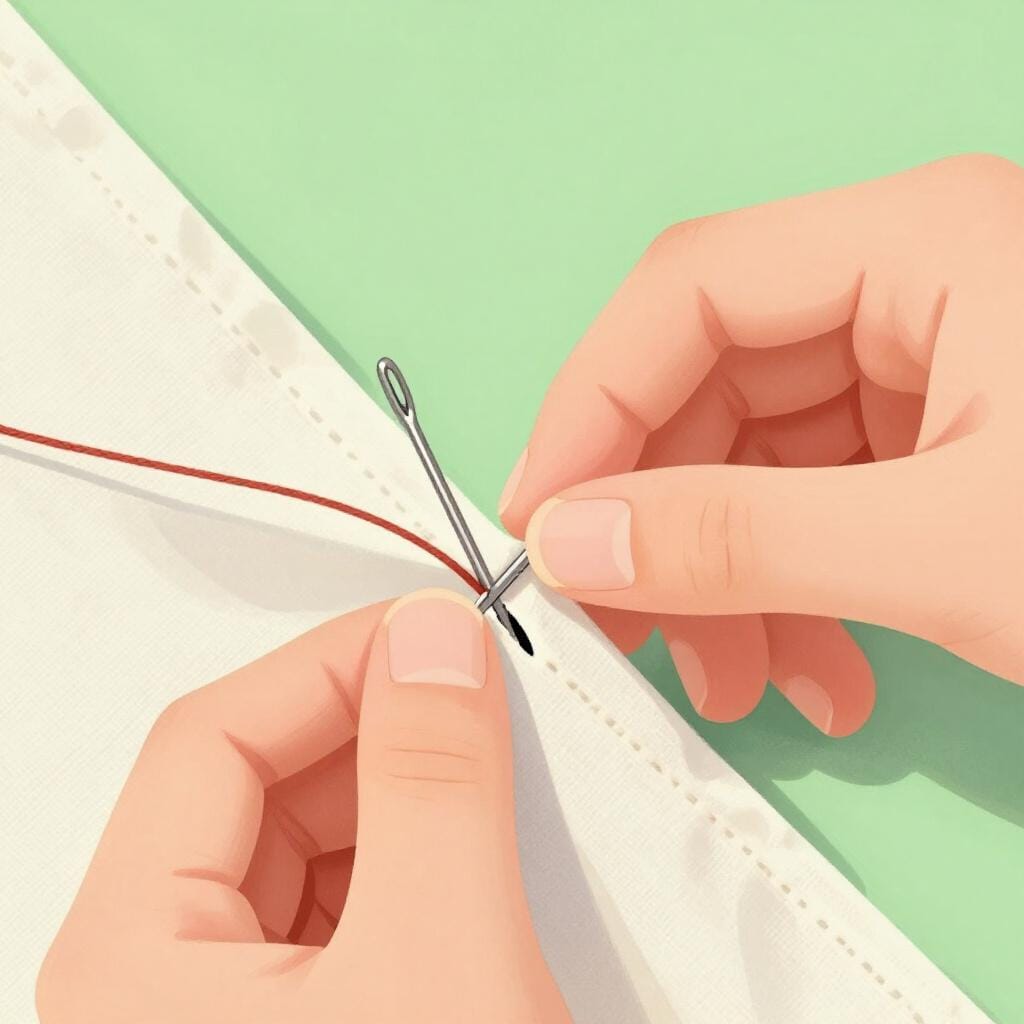
Tengo que ojalar la chaqueta antes de terminarla.
I have to make the buttonholes in the jacket before finishing it.
La modista ojalará el vestido a mano.
The dressmaker will make the buttonholes in the dress by hand.
Es más rápido ojalar con una máquina moderna.
It is faster to make buttonholes with a modern machine.
A regular 'AR' verb
This word follows the exact same pattern as 'hablar.' If you know how to say 'I speak' (hablo), you already know how to say 'I make buttonholes' (ojalo).
Transitive action
This verb needs an object. You always 'ojalar' something, like a garment or a piece of fabric.
The 'Ojalá' Confusion
Mistake: “Using 'ojalar' to mean 'I hope'.”
Correction: Use 'Ojalá' (which is not a verb) for 'I hope'. 'Ojalar' is strictly for sewing buttonholes.
Perforar vs. Atravesar/Traspasar
Learners often confuse 'perforar' with 'atravesar' or 'traspasar'. Remember 'perforar' is typically for making holes in materials like paper or skin, while 'atravesar' and 'traspasar' imply an object passing *through* something.
Related Translations
Learn Spanish with Inklingo
Interactive stories, personalized learning, and more.