How to Say "to cross" in Spanish
The most common Spanish word for “to cross” is “cruzar” — use 'cruzar' when you mean to go across a physical space like a street or a room, or to place one body part over another, such as arms or legs.
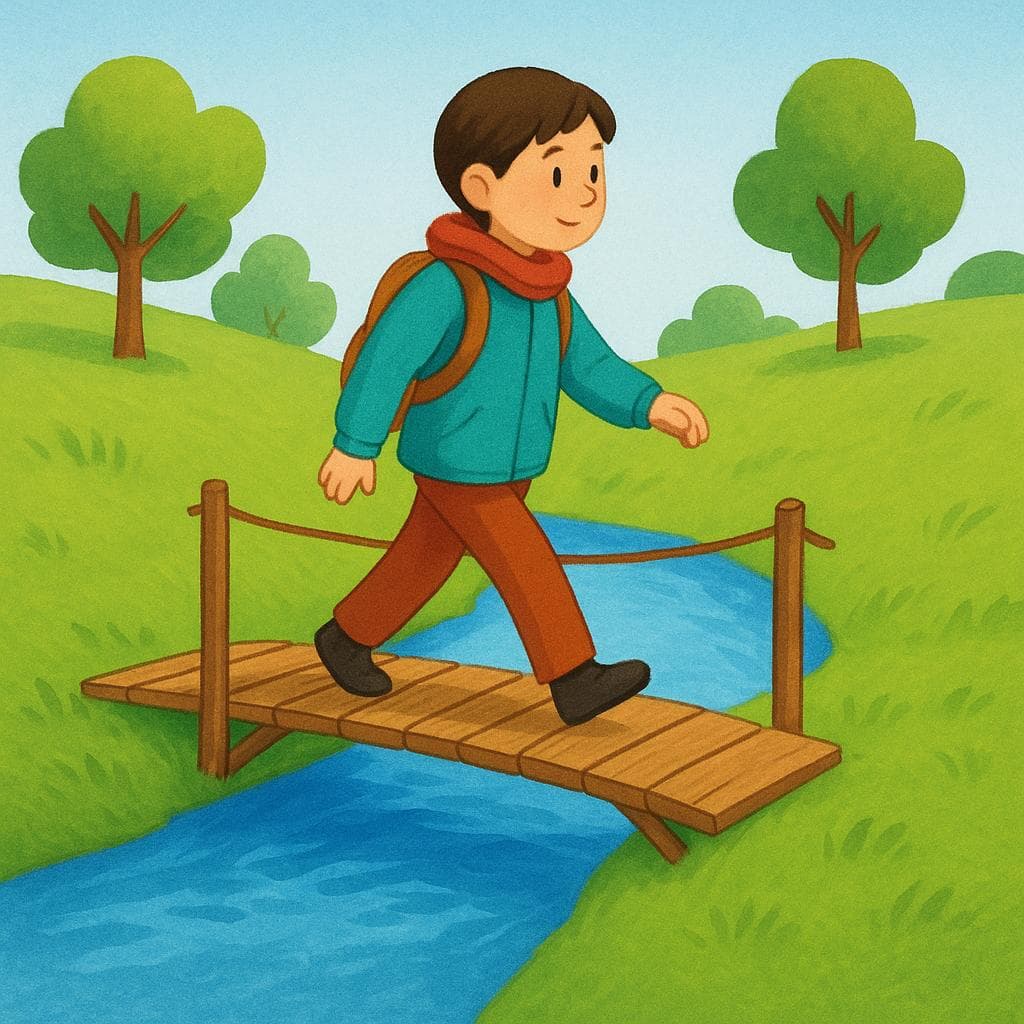
Use 'cruzar' when you mean to go across a physical space like a street or a room, or to place one body part over another, such as arms or legs.
Learn more →
Use 'pasar' when referring to crossing a street or a border, often implying movement or passage from one side to another.
Learn more →
Use 'atravesar' for the action of going through or across a larger obstacle or area, such as a forest, a river, or a mountain.
Learn more →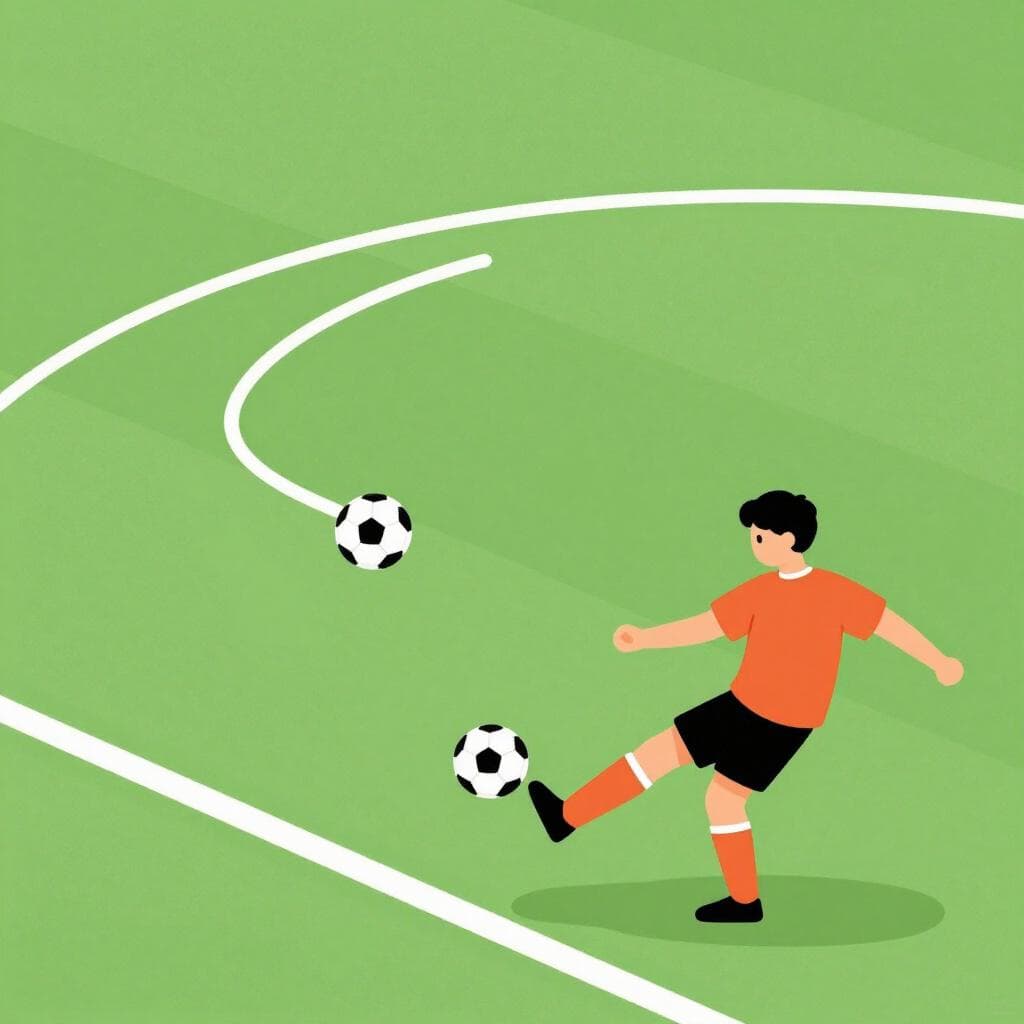
Use 'centrar' specifically in sports when passing a ball towards the center of the playing area.
Learn more →kroo-SAHRkɾuˈsaɾ
Examples
Tienes que cruzar la calle para llegar a la tienda.
You have to cross the street to get to the store.
El equipo logró cruzar la meta en primer lugar.
The team managed to cross the finish line in first place.
Vamos a cruzar el puente porque es más rápido.
We are going to cross the bridge because it is faster.
Ella cruza los brazos cuando está molesta.
She crosses her arms when she is annoyed.
The Z to C Spelling Change
Because Spanish doesn't allow 'ze' or 'zi', the 'z' in cruzar must change to a 'c' whenever it is followed by an 'e'. This happens in the 'yo' form of the past tense (crucé) and throughout the entire present subjunctive (cruce, crucemos, etc.).
Using the Reflexive for Exchange
When people exchange something (like glances or words), we often use the reflexive form cruzarse: 'Nos cruzamos unas palabras' (We exchanged a few words).
Forgetting the Z/C Change
Mistake: “Yo cruzé la línea.”
Correction: Yo crucé la línea. (Remember Z changes to C before E.)
pa-sarpaˈsaɾ

Examples
El tiempo pasa muy rápido cuando te diviertes.
Time passes very quickly when you're having fun.
Vimos pasar un tren por la ventana.
We saw a train pass by the window.
Para ir al banco, tienes que pasar el puente.
To get to the bank, you have to cross the bridge.
ah-trah-veh-SAHRa.tɾa.βeˈsaɾ

Examples
Necesitamos atravesar el puente para llegar al otro lado.
We need to cross the bridge to get to the other side.
El tren atraviesa los campos de trigo muy rápido.
The train crosses the wheat fields very quickly.
Stem Change Rule
This verb is irregular because the 'e' in the middle changes to 'ie' whenever the stress falls on that syllable (in the 'boot' forms of the present tense).
Forgetting the Stem Change
Mistake: “Yo 'atraveso' (Incorrect form)”
Correction: Yo 'atravieso' (The 'e' must change to 'ie' in the first person singular).
sen-TRARsenˈtɾaɾ

Examples
El delantero centró el balón al área.
The forward crossed the ball into the box.
¡Centra ahora!
Cross it now!
Direct action
In sports, the thing being centered (the ball) usually doesn't need to be mentioned if it's obvious from context.
Cruzar vs. Atravesar
Learners often confuse 'cruzar' and 'atravesar'. Remember that 'cruzar' is more general for simply going across a space (like a street), while 'atravesar' implies going through or across something more substantial or an obstacle.
Related Translations
Learn Spanish with Inklingo
Interactive stories, personalized learning, and more.