How to Say "to traverse" in Spanish
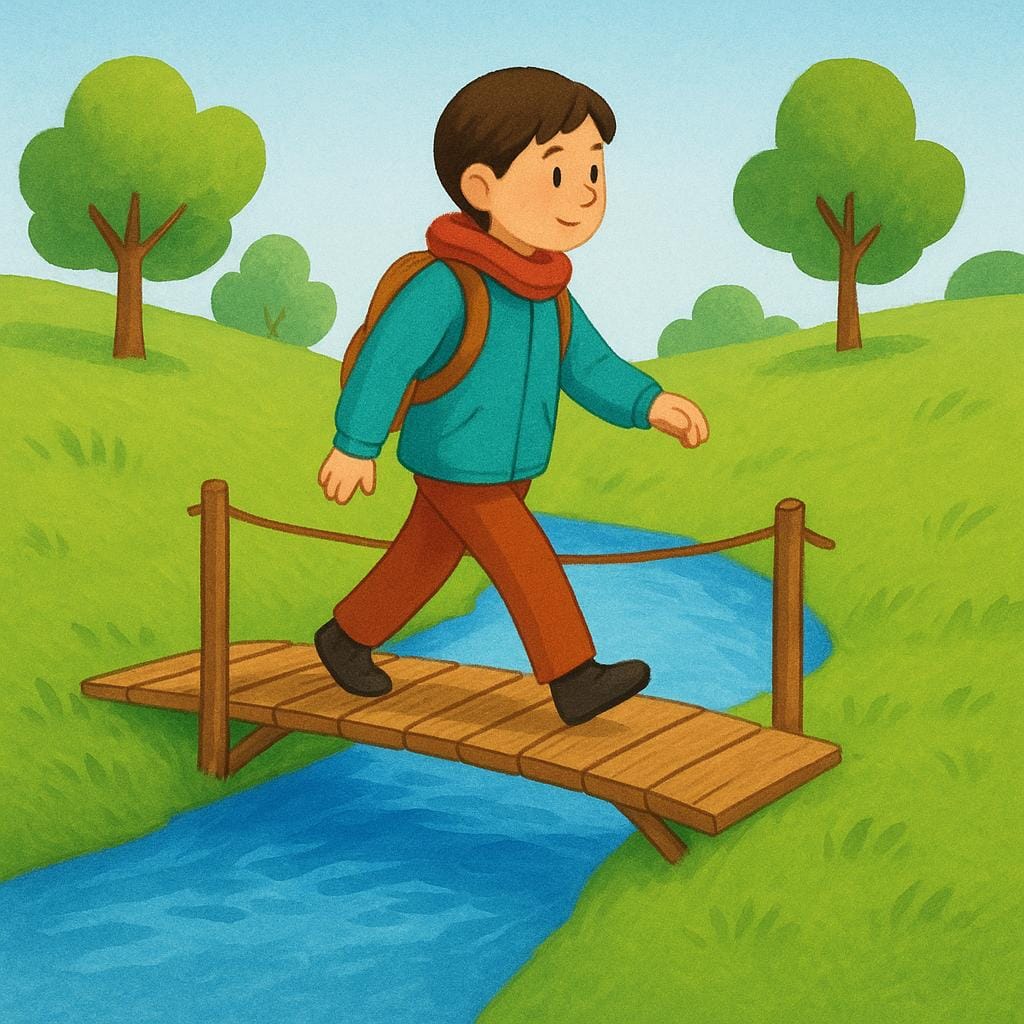
The most common Spanish word for “to traverse” is “cruzar” — use 'cruzar' when talking about crossing a relatively small or common area, like a street, a room, or a border.
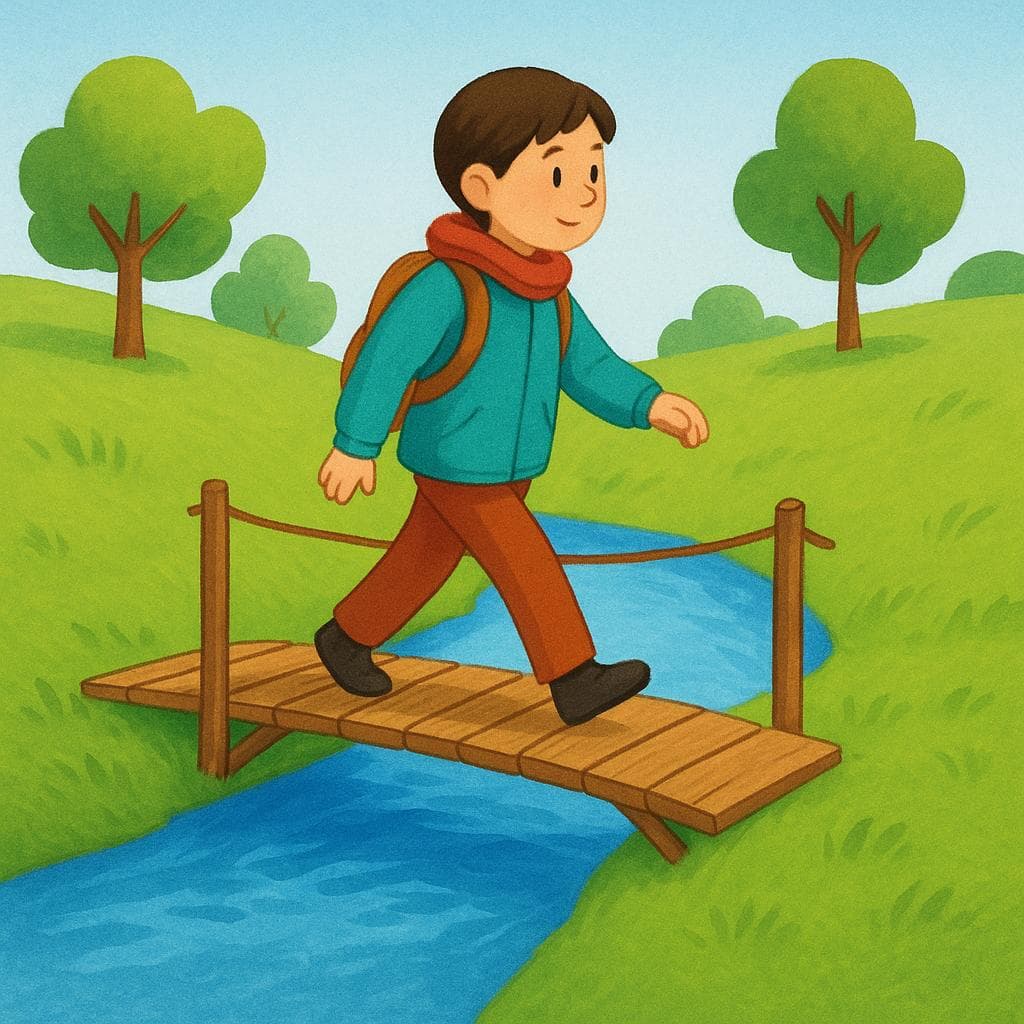
Use 'cruzar' when talking about crossing a relatively small or common area, like a street, a room, or a border.
Learn more →
Choose 'atravesar' for a more formal or literary sense of crossing, often implying a more difficult or significant passage, like a forest, a desert, or a body of water.
Learn more →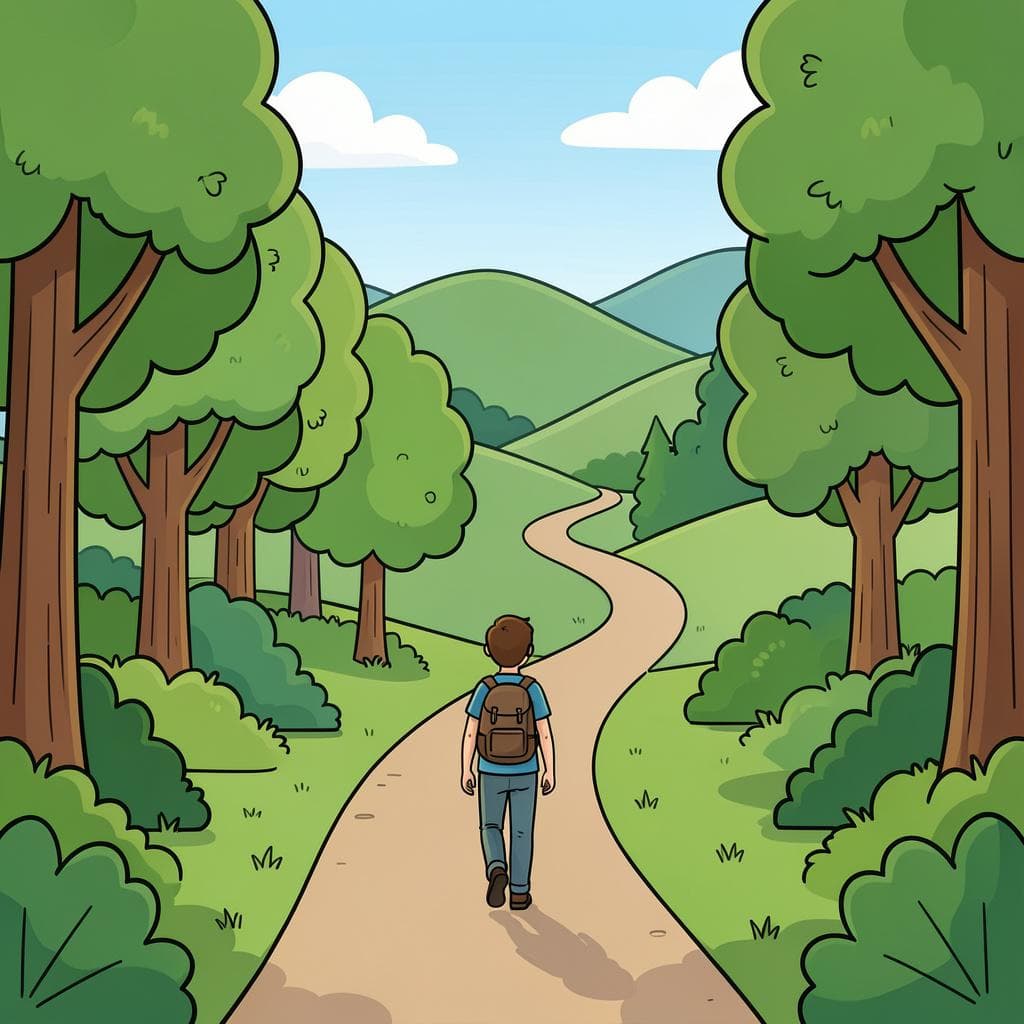
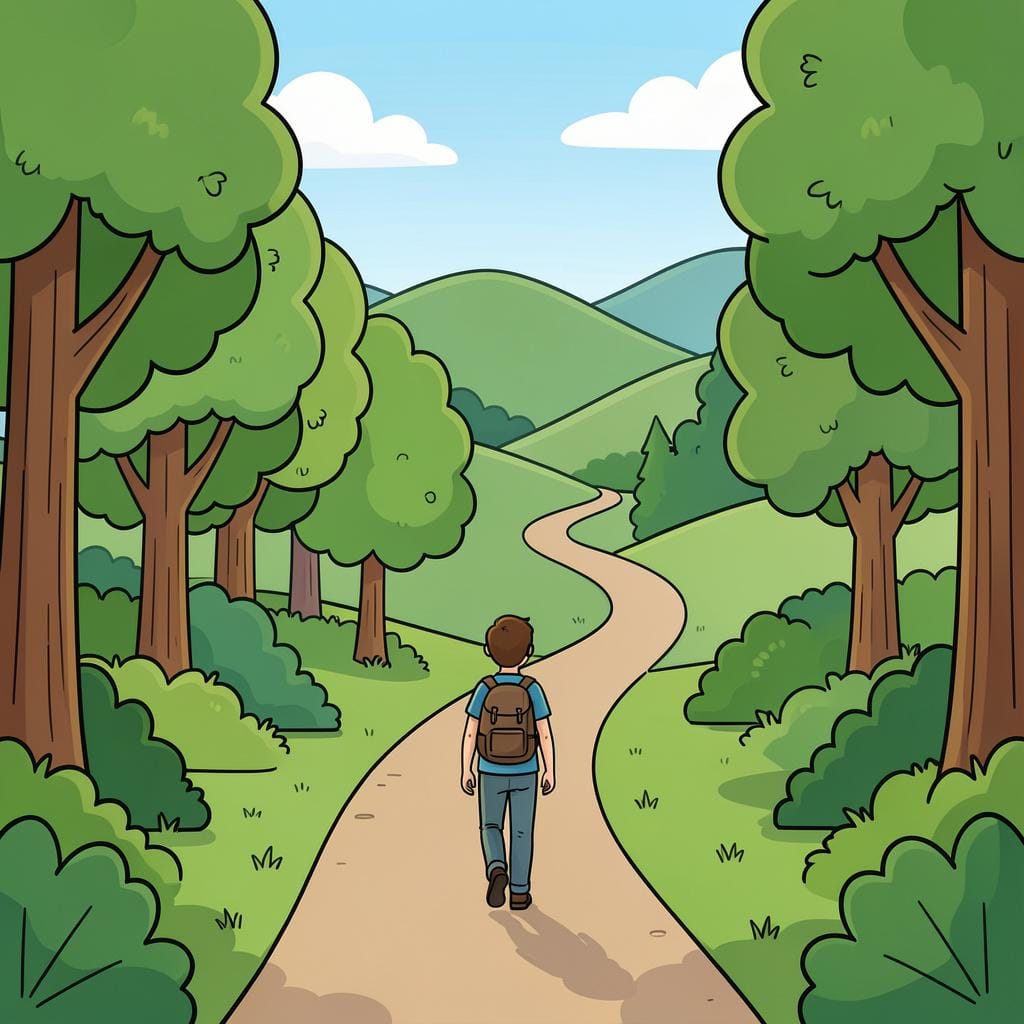
Use 'recorrer' when the focus is on traveling over a large area, covering distance, or making a journey through a place.
Learn more →kroo-SAHRkɾuˈsaɾ
Examples
Tienes que cruzar la calle para llegar a la tienda.
You have to cross the street to get to the store.
El equipo logró cruzar la meta en primer lugar.
The team managed to cross the finish line in first place.
Vamos a cruzar el puente porque es más rápido.
We are going to cross the bridge because it is faster.
The Z to C Spelling Change
Because Spanish doesn't allow 'ze' or 'zi', the 'z' in cruzar must change to a 'c' whenever it is followed by an 'e'. This happens in the 'yo' form of the past tense (crucé) and throughout the entire present subjunctive (cruce, crucemos, etc.).
Forgetting the Z/C Change
Mistake: “Yo cruzé la línea.”
Correction: Yo crucé la línea. (Remember Z changes to C before E.)
ah-trah-veh-SAHRa.tɾa.βeˈsaɾ

Examples
Necesitamos atravesar el puente para llegar al otro lado.
We need to cross the bridge to get to the other side.
El tren atraviesa los campos de trigo muy rápido.
The train crosses the wheat fields very quickly.
Stem Change Rule
This verb is irregular because the 'e' in the middle changes to 'ie' whenever the stress falls on that syllable (in the 'boot' forms of the present tense).
Forgetting the Stem Change
Mistake: “Yo 'atraveso' (Incorrect form)”
Correction: Yo 'atravieso' (The 'e' must change to 'ie' in the first person singular).
reh-koh-REHRrekoˈrer
Examples
Queremos recorrer toda Europa este verano.
We want to travel through all of Europe this summer.
Recorrieron la ciudad a pie buscando el museo.
They went all over the city on foot looking for the museum.
El sendero recorre la orilla del río.
The path goes along the river bank.
Using it without 'por'
Unlike 'caminar' (to walk) which often uses 'por' to say where you walk, 'recorrer' usually takes the place directly as its object. You 'recorrer la ciudad', not 'recorrer por la ciudad'.
Recorrer vs. Recordar
Mistake: “Using 'recorrer' when you mean 'to remember'.”
Correction: Use 'recordar' for memories. 'Recorrer' is about movement and distance.
Crossing vs. Traveling Through
The most common mistake is confusing 'cruzar' (to cross) with 'recorrer' (to travel through/over). 'Cruzar' implies getting from one side to another, while 'recorrer' emphasizes covering a large distance or area.
Related Translations
Learn Spanish with Inklingo
Interactive stories, personalized learning, and more.