centrar
“centrar” means “to center” in Spanish. It has 3 different meanings depending on context:


to centerAlso: to align

📝 In Action
Por favor, centra el título en el documento.
A2Please, center the title in the document.
Tienes que centrar la mesa en el comedor.
A2You have to center the table in the dining room.
El fotógrafo centró la imagen antes de disparar.
B1The photographer centered the image before shooting.
Word Connections
to focusAlso: to base on

📝 In Action
Debemos centrar nuestra energía en el proyecto.
B1We must focus our energy on the project.
Me cuesta centrarme cuando hay mucho ruido.
B1It's hard for me to focus when there is a lot of noise.
La película se centra en la vida de un artista.
B2The movie focuses on the life of an artist.
Word Connections
to cross
📝 In Action
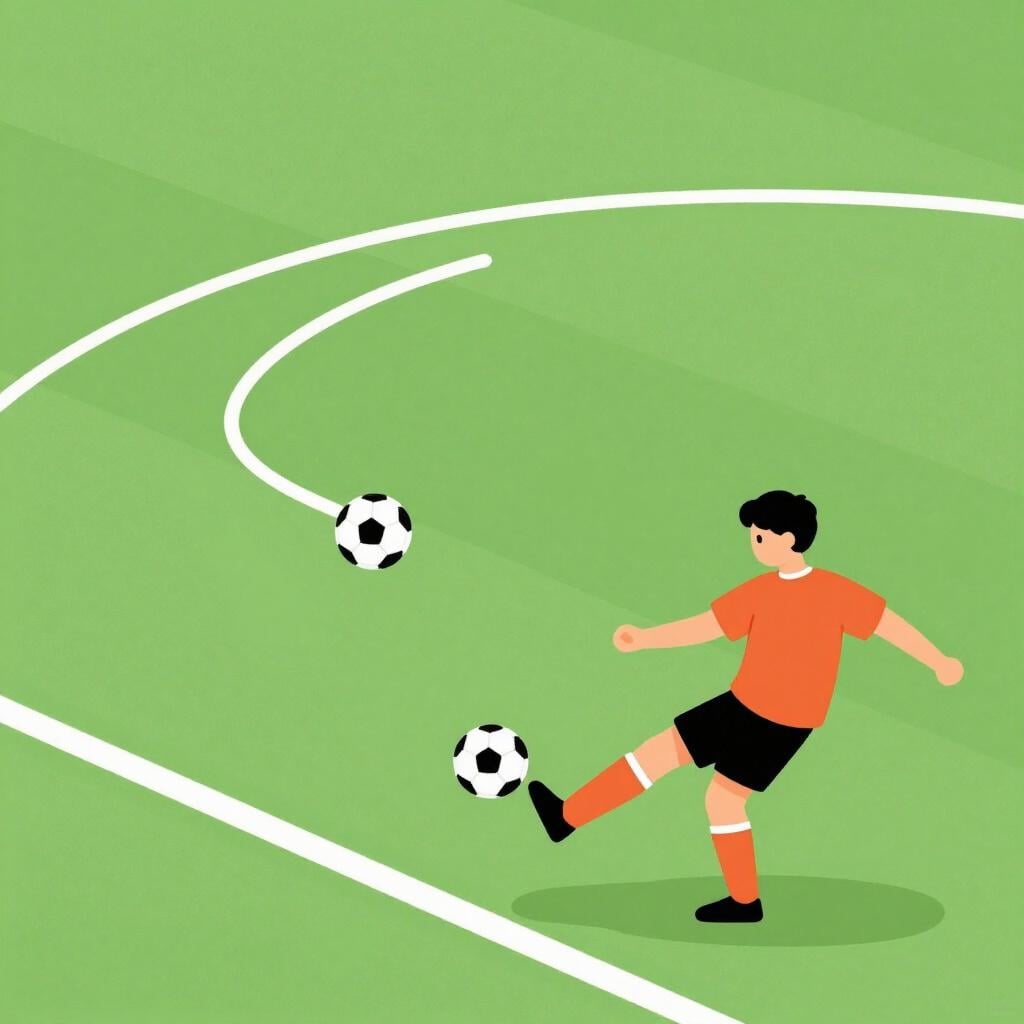
El delantero centró el balón al área.
B2The forward crossed the ball into the box.
¡Centra ahora!
B2Cross it now!
Word Connections
Subjunctive
Imperfect Subjunctive
Present Subjunctive
Indicative
Preterite
Imperfect
Present
✏️ Quick Practice
Quick Quiz: centrar
Question 1 of 3
Which sentence means 'I am focusing on the exam'?
📚 More Resources
👥 Word Family
📚 Etymology
From the noun 'centro', which comes from the Latin 'centrum' (the sharp point of a compass, or the center of a circle).
First recorded: 13th century
Cognates (Related words)
💡 Master Spanish
Take your Spanish to the next level. Read 200+ illustrated and narrated Spanish stories tailored to your level with the Inklingo app!
Frequently Asked Questions
What is the difference between 'centrar' and 'enfocar'?
They are very similar. 'Centrar' implies putting something in the middle or basing something on a topic, while 'enfocar' is more about the clarity of focus (like a camera lens) or the specific perspective you take.
Do I always need to use 'se' (centrarse)?
Only if you are the one doing the focusing ('I focus'). If you are moving an object ('I center the image'), you don't use 'se'.
Is 'centrar' a regular verb?
Yes! It follows all the standard rules for verbs ending in -ar, so it is very easy to conjugate.