equilibrar
“equilibrar” means “to balance” in Spanish. It has 2 different meanings depending on context:

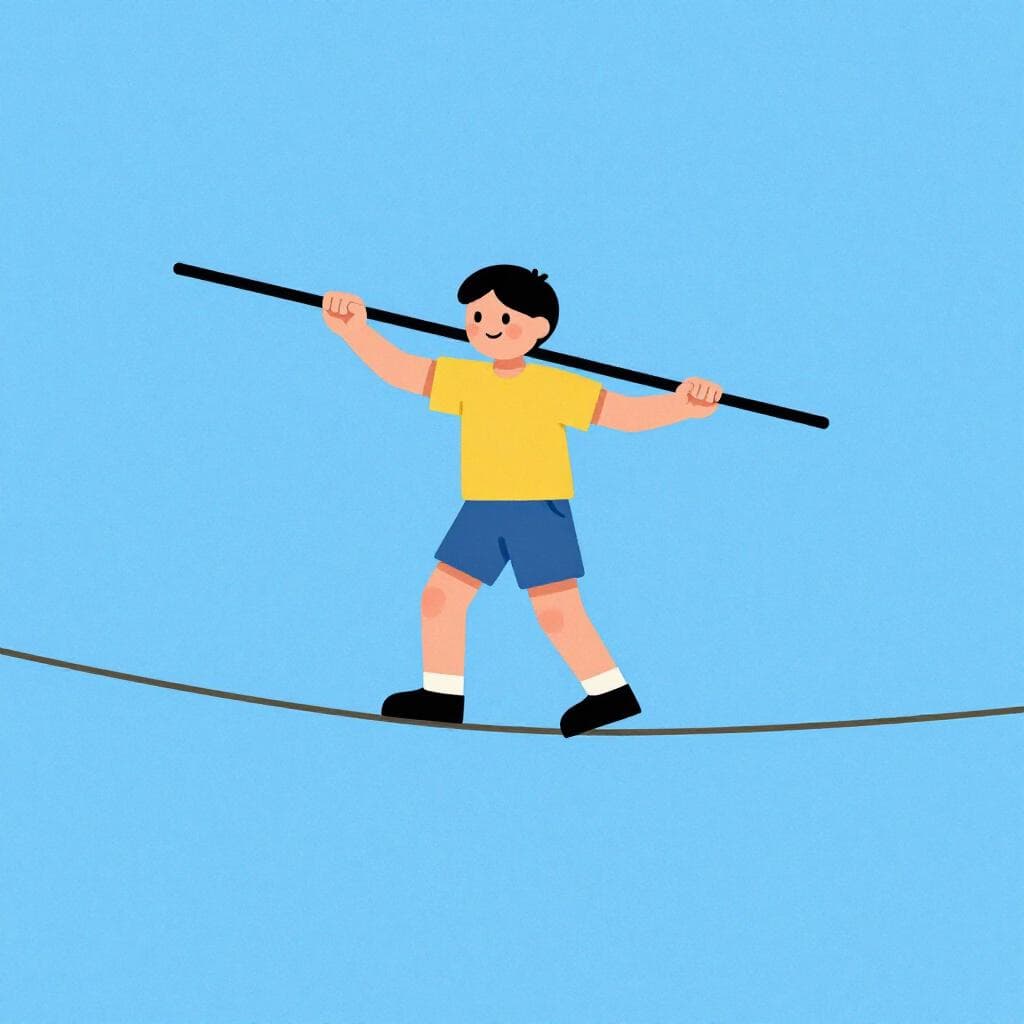
to balance
Also: to level
📝 In Action
Tienes que equilibrar el peso de las maletas.
A2You have to balance the weight of the suitcases.
El gimnasta intentaba equilibrar su cuerpo sobre la barra.
B1The gymnast was trying to balance his body on the bar.
Para que la estantería no se caiga, debemos equilibrar los libros.
B2So that the shelf doesn't fall, we must balance the books.
to balance
Also: to counteract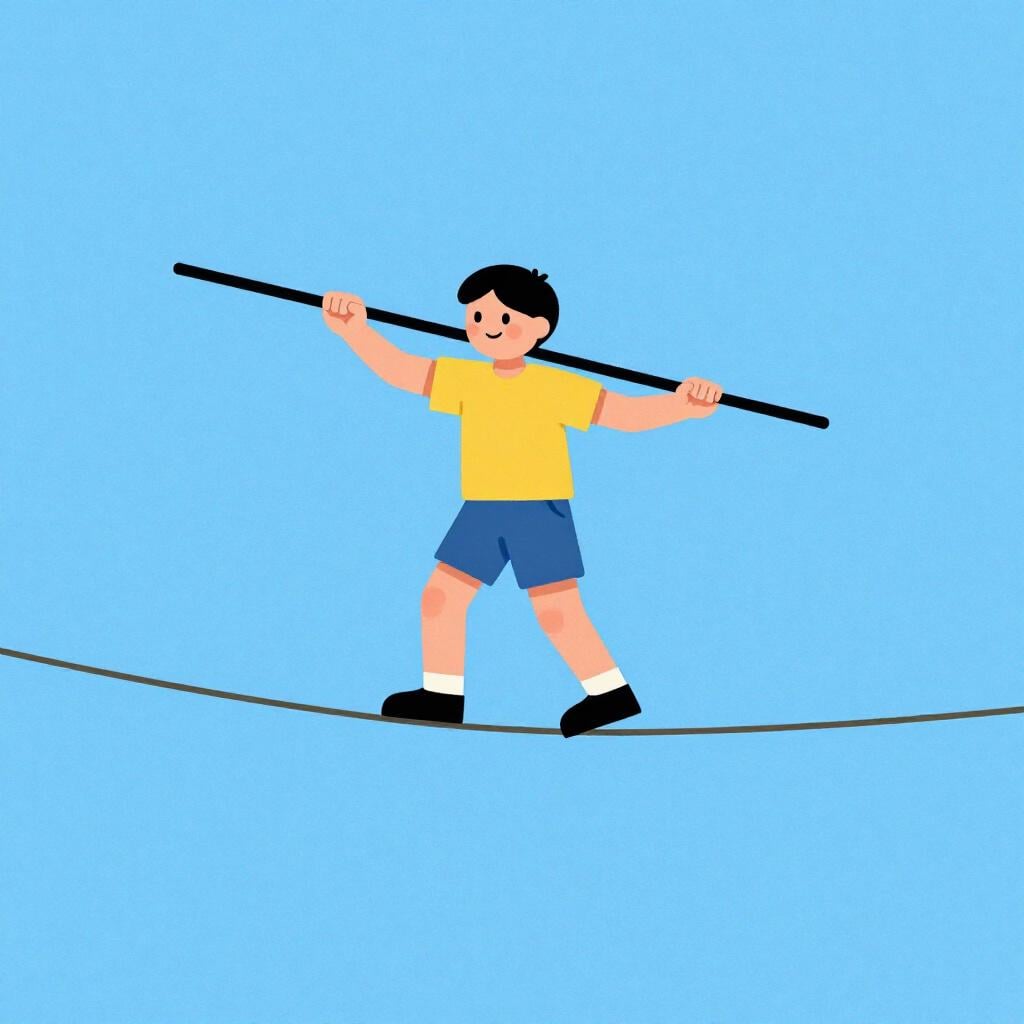
📝 In Action
Es difícil equilibrar el trabajo y la vida personal.
B1It is difficult to balance work and personal life.
El gobierno necesita equilibrar el presupuesto este año.
B2The government needs to balance the budget this year.
Ella intenta equilibrar sus emociones mediante la meditación.
B2She tries to balance her emotions through meditation.
Subjunctive
Imperfect Subjunctive
Present Subjunctive
Indicative
Preterite
Imperfect
Present
Translate to Spanish
✏️ Quick Practice
Quick Quiz: equilibrar
Question 1 of 3
How do you say 'I balance the accounts'?
📚 More Resources
👥 Word Family▼
📚 Etymology▼
From the Spanish noun 'equilibrio', which comes from the Latin 'aequilibrium'. This combines 'aequus' (equal) and 'libra' (balance or scales).
First recorded: 17th century
Cognates (Related words)
💡 Master Spanish
Take your Spanish to the next level. Read 200+ illustrated and narrated Spanish stories tailored to your level with the Inklingo app!
Frequently Asked Questions
Is 'equilibrar' the same as 'balancear'?
Not exactly. 'Equilibrar' is about making things stable or equal (like a budget). 'Balancear' usually refers to physical swinging or rocking movement.
Can I use 'equilibrar' for emotional health?
Yes! It is very common to talk about 'equilibrar las emociones' (balancing emotions) or 'una vida equilibrada' (a balanced life).
Is this verb irregular in any tense?
No, 'equilibrar' is a perfectly regular -ar verb in all tenses.