How to Say "to level" in Spanish
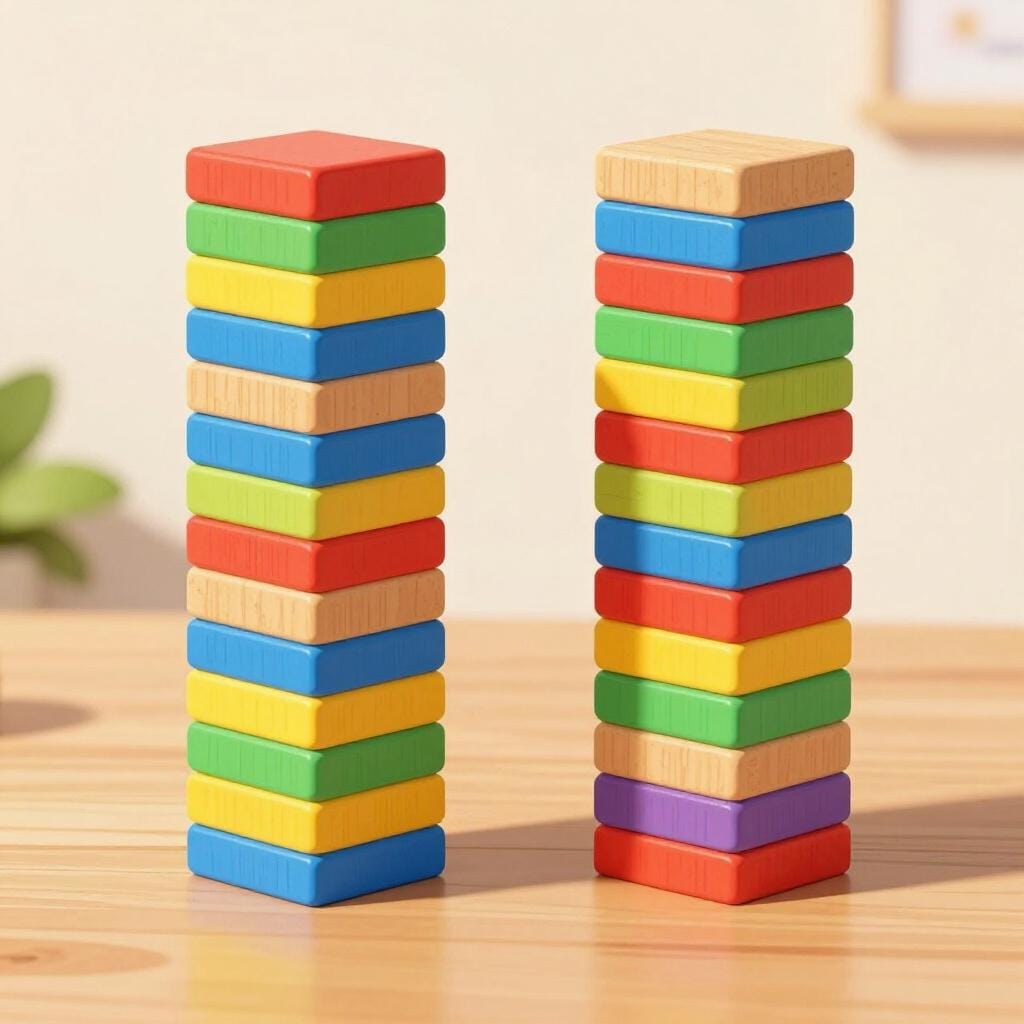
The most common Spanish word for “to level” is “igualar” — use this word when you mean to make things equal in level, such as tying a score in a game or making surfaces even.
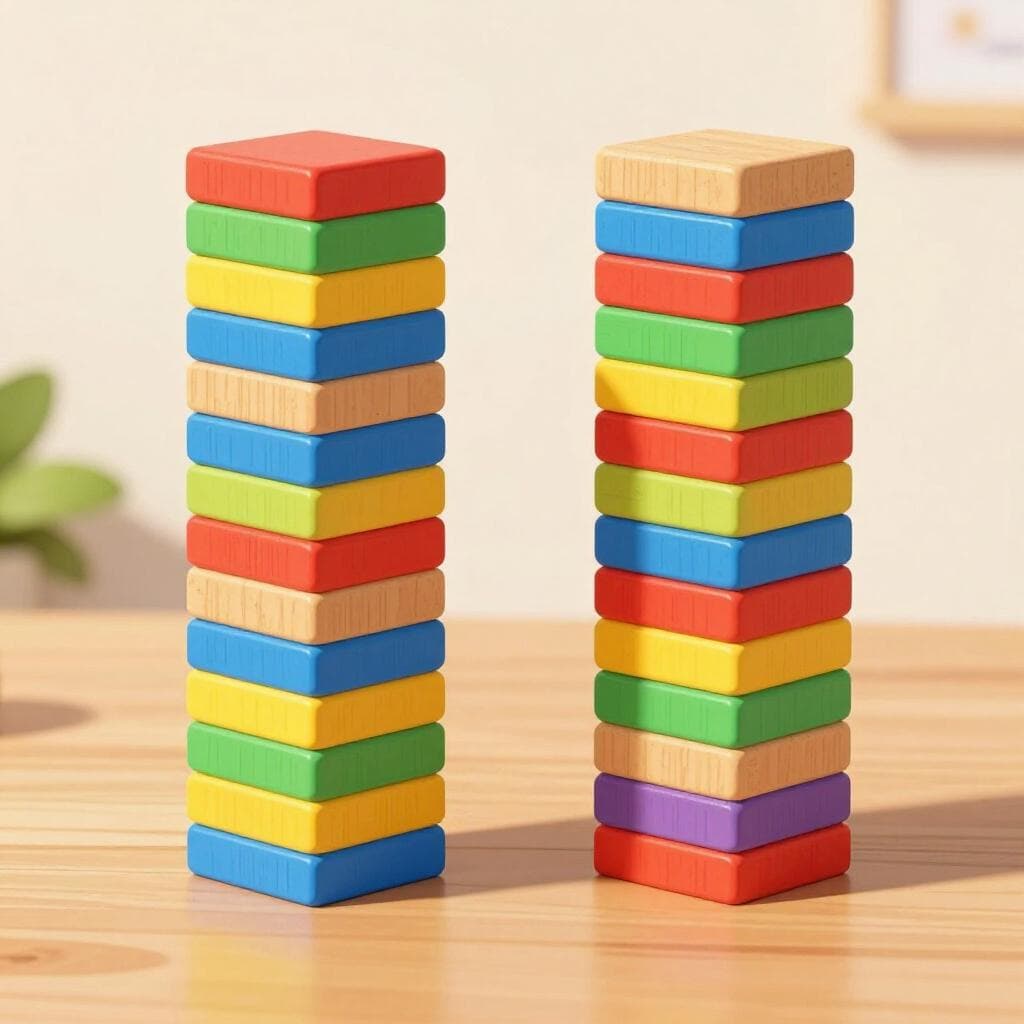


igualar
ee-gwa-LAHRi.ɣwaˈlaɾ
Examples
El equipo logró igualar el marcador en el último minuto.
The team managed to tie the score in the last minute.
Necesito igualar las patas de esta silla porque cojea.
I need to level the legs of this chair because it wobbles.
Nadie ha podido igualar su récord de natación.
No one has been able to match his swimming record.
Igualar vs. Ser igual
Use 'igualar' when you are taking an action to make things the same. Use 'ser igual' to describe two things that are already the same.
Using 'a' with People
When 'igualar' means matching or being as good as a specific person, you must use the 'personal a': 'Nadie puede igualar a María'.
Matching the Score
Mistake: “Nadie puede igual el récord.”
Correction: Nadie puede igualar el récord. (Make sure to use the full verb form, not just the adjective 'igual').
equilibrar
eh-kee-lee-brarekiliˈβɾaɾ

Examples
Tienes que equilibrar el peso de las maletas.
You have to balance the weight of the suitcases.
El gimnasta intentaba equilibrar su cuerpo sobre la barra.
The gymnast was trying to balance his body on the bar.
Para que la estantería no se caiga, debemos equilibrar los libros.
So that the shelf doesn't fall, we must balance the books.
A Regular Follower
This verb follows the standard pattern for -ar verbs, meaning if you know how to conjugate 'hablar', you already know how to conjugate 'equilibrar'.
Using it with Objects
In Spanish, when you balance something, you usually put the item you are balancing right after the verb without needing extra words like 'out'.
Mixing it with 'Balancear'
Mistake: “Using 'balancear' to mean balancing a budget.”
Correction: Use 'equilibrar' for stability/equality; 'balancear' often means to swing or rock back and forth.
arrasar
ah-rah-SARaraˈsaɾ
Examples
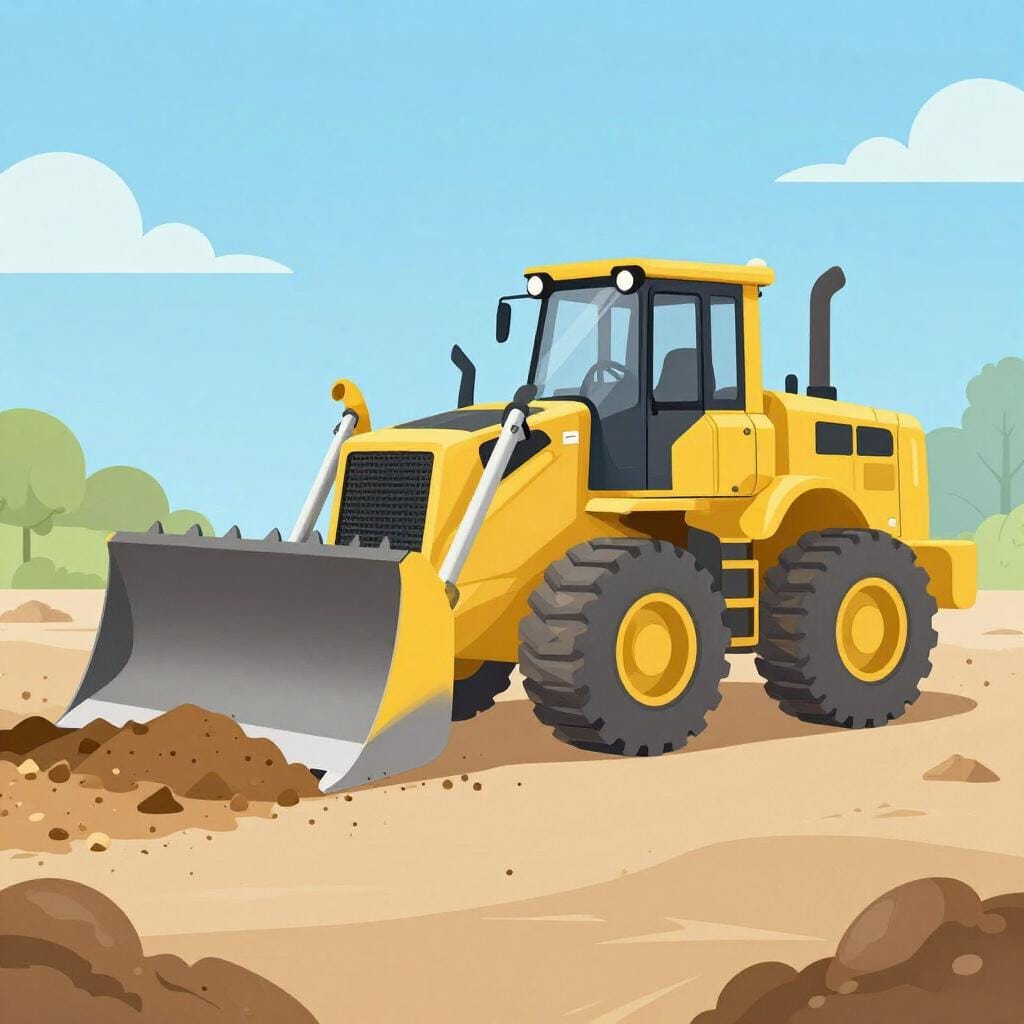
El huracán arrasó toda la costa.
The hurricane leveled the entire coast.
Tuvieron que arrasar el terreno antes de construir la casa.
They had to flatten the ground before building the house.
No dejes que la tristeza arrase con tus ganas de seguir.
Don't let sadness destroy your will to keep going.
Using 'con'
When you want to say you destroyed everything or 'swept through' a place, we often use the word 'con' after arrasar.
Don't confuse with 'borrar'
Mistake: “Usaron una máquina para borrar el edificio.”
Correction: Usaron una máquina para arrasar el edificio. 'Borrar' is for erasing ink or memories; 'arrasar' is for physical destruction/leveling.
aterrar
ah-teh-RAHRateˈraɾ

Examples
El arquitecto decidió aterrar el viejo muro.
The architect decided to pull down the old wall.
Es necesario aterrar el terreno antes de construir.
It is necessary to level the ground before building.
Literally 'To the Ground'
This word comes from 'tierra' (earth). In this sense, it describes the physical action of putting something onto or under the earth.
Confusion with aterrizar
Mistake: “El avión va a aterrar.”
Correction: El avión va a aterrizar. (Aterrizar is specifically for vehicles landing; aterrar is for knocking things down.)
Confusing Destruction vs. Equality
Related Translations
Learn Spanish with Inklingo
Interactive stories, personalized learning, and more.