How to Say "to spoil" in Spanish
The most common Spanish word for “to spoil” is “consentir” — use 'consentir' when referring to indulging or pampering a child, often by giving them whatever they want.

Use 'consentir' when referring to indulging or pampering a child, often by giving them whatever they want.
Learn more →Use 'mimiar' to describe spoiling someone, especially a child, through excessive affection or indulgence, sometimes with a negative connotation.
Learn more →
Use 'dañar' for causing physical damage to objects, materials, or food, making them less valuable or functional.
Learn more →
Choose 'arruinar' when something is ruined, such as an event, a plan, a mood, or a surprise.
Learn more →
Use 'averiar' in a less common context to describe damage to machinery or cargo, implying malfunction.
Learn more →
Use 'deteriorar' when a situation, relationship, or physical object (like paint) gradually worsens or degrades over time.
Learn more →
Use 'corromper' specifically for food or water that goes bad, becomes rotten, or is contaminated.
Learn more →
Use 'asesinar' metaphorically to describe something that completely ruins or kills a pleasant atmosphere, mood, or situation.
Learn more →kon-sen-TEERkon.senˈtiɾ

Examples
A los abuelos les encanta consentir a sus nietos con dulces.
Grandparents love to pamper their grandchildren with sweets.
No deberías consentir tanto al perro; se va a portar mal.
You shouldn't spoil the dog so much; he's going to misbehave.
Hoy voy a consentirme con un día de spa.
Today I am going to indulge myself with a spa day.
The Spelling Change
This verb is a 'boot verb.' The 'e' in the middle changes to 'ie' in all present tense forms EXCEPT for 'nosotros' and 'vosotros'. Think of the forms that change as being inside a boot shape on a conjugation chart!
A sneaky change in the past
Even though it's an 'ie' verb in the present, in the past (preterite), the 'e' changes to a simple 'i' only for the 'he/she/it' and 'they' forms (consintió, consintieron).
Mimar vs. Consentir
Mistake: “Using 'consentir' only for giving permission.”
Correction: In most Spanish-speaking homes, 'consentir' is the most common way to say you are spoiling someone with love or gifts.
mimiar
Examples
Mi abuela siempre mima a sus nietos con dulces.
My grandmother always pampers her grandchildren with sweets.
dah-NYARdaˈɲar
Examples
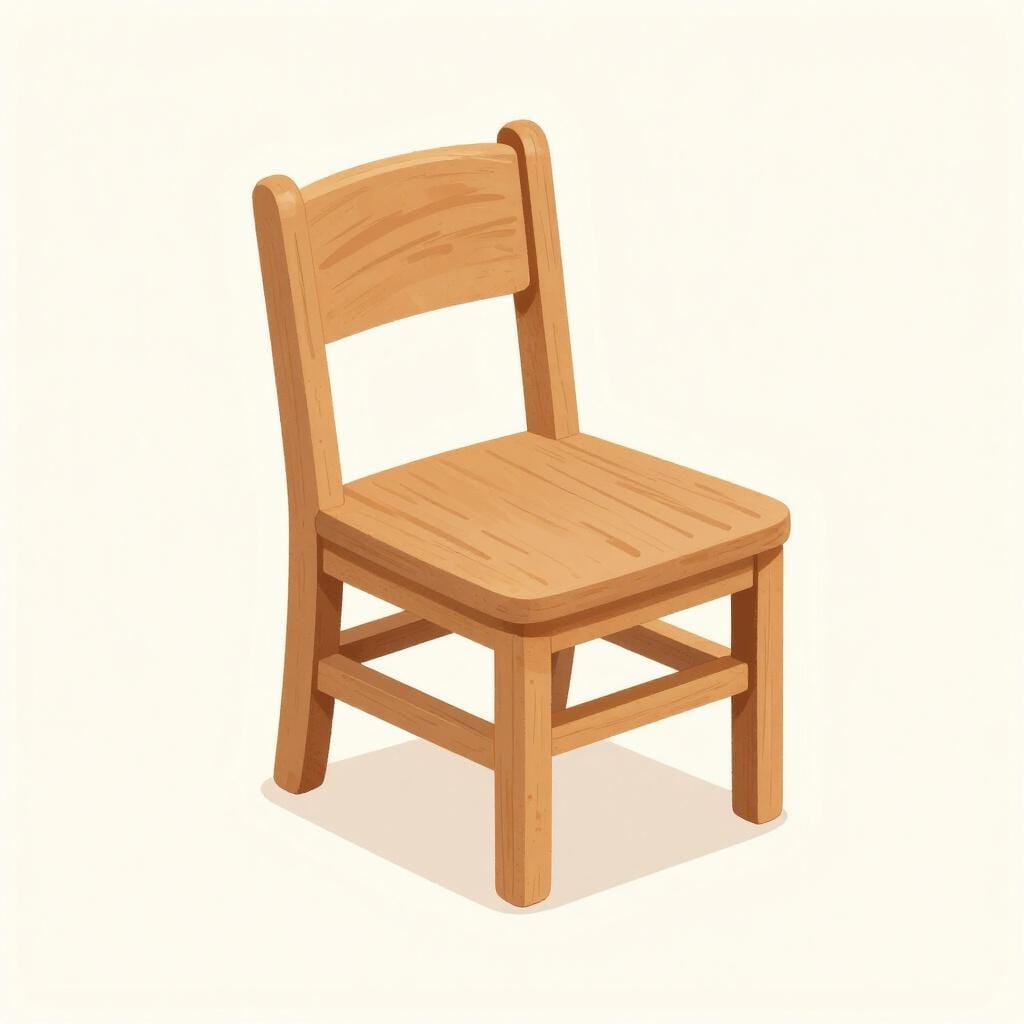
El agua puede dañar el teléfono.
Water can damage the phone.
El granizo dañó el techo de la casa.
The hail damaged the roof of the house.
Ten cuidado de no dañar la pintura.
Be careful not to damage the paint.
Using 'Se' for Accidents
To say something 'got damaged' or 'broke' on its own, use 'se dañó'. For example, 'Se dañó la televisión' means 'The TV broke' (it happened by itself).
Normal -ar Ending
This verb is completely regular. It follows the same pattern as common verbs like 'hablar' or 'cantar'.
Damage vs. Pain
Mistake: “Me dañó la pierna.”
Correction: Me duele la pierna (if it hurts) or Me lastimé la pierna (if you injured it). 'Dañar' is mostly for objects or abstract harm, not for the sensation of pain.
ahr-roo-ee-NAHRar.rwiˈnar

Examples
Llegar tarde arruinó toda la sorpresa.
Arriving late spoiled the whole surprise.
No quiero que mi mal humor arruine la cena.
I don't want my bad mood to spoil dinner.
Se arruinó la fiesta cuando llegó la policía.
The party was ruined when the police arrived. (Used reflexively)
The 'Se' Form (Reflexive)
When you use 'arruinarse' (with 'se'), it means something became ruined or spoiled by itself, without a specific person doing the action: 'La comida se arruinó' (The food spoiled).
ah-beh-ryahraβeˈɾjaɾ

Examples
El exceso de calor puede averiar el motor del coche.
Excess heat can damage the car engine.
Se averió la calefacción durante la noche más fría del año.
The heating broke down during the coldest night of the year.
Ten cuidado de no averiar el sistema eléctrico al instalar la lámpara.
Be careful not to damage the electrical system while installing the lamp.
The 'Se' Transformation
To say a machine 'broke down' on its own, add 'se' (averiarse). For example: 'Mi coche se averió' (My car broke down).
Averiar vs. Romper
Use 'averiar' for technical or mechanical failures (like a computer or engine). Use 'romper' for physical breaking (like a glass or a bone).
Misplacing the Accent
Mistake: “Using 'averío' (with an accent).”
Correction: Say 'averio' (no accent). Unlike the word 'enviar' (to send), 'averiar' follows the pattern of 'anunciar' and keeps the 'i' sound soft without an accent.
deh-teh-ryoh-RAHRdeteɾjoˈɾaɾ
Examples
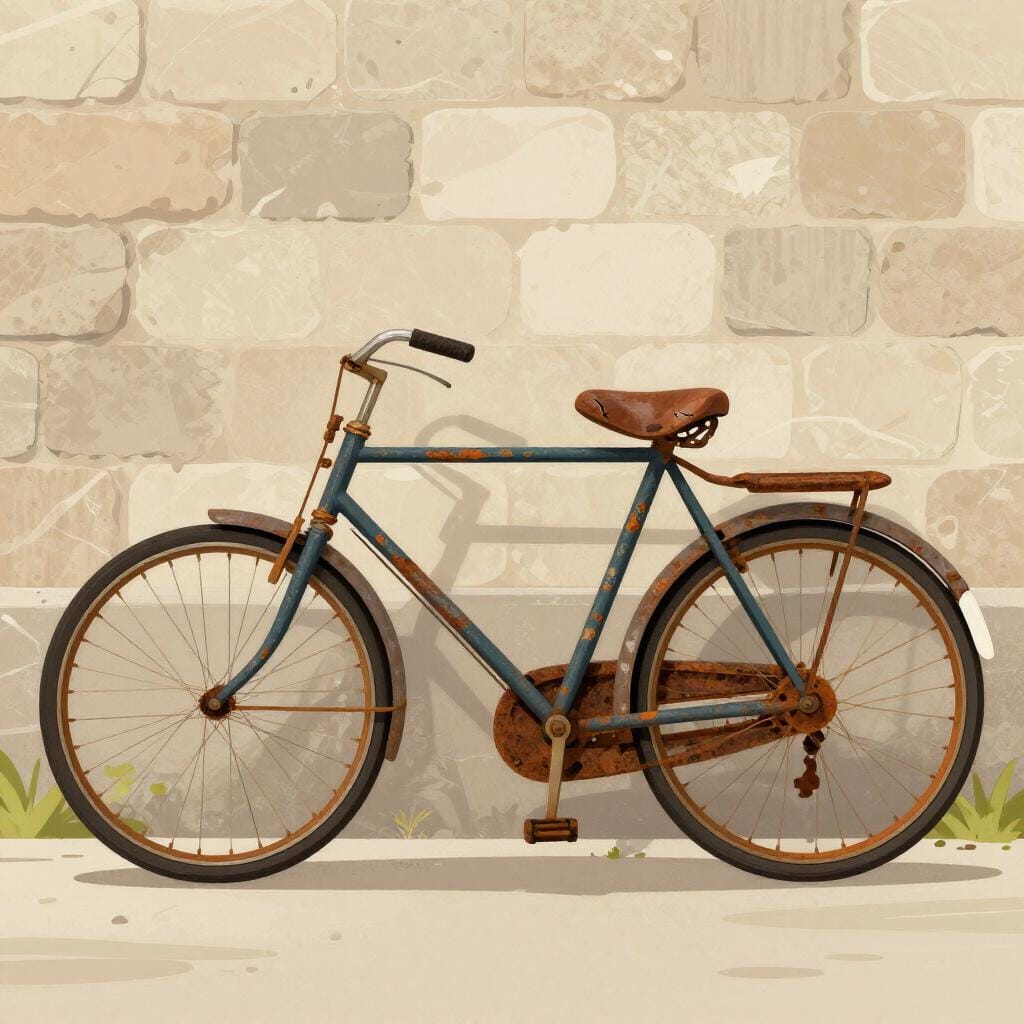
El sol puede deteriorar la pintura del coche con el paso del tiempo.
The sun can damage the car's paint over time.
Fumar tabaco deteriora gravemente la salud de los pulmones.
Smoking tobacco seriously impairs lung health.
La falta de comunicación deterioró nuestra relación de amistad.
The lack of communication worsened our friendship.
Using the 'Self' Form
When things get worse on their own without someone causing it, we use the reflexive form 'deteriorarse'. For example: 'Su salud se deterioró' (His health got worse).
Slow vs. Fast Damage
Deteriorar usually implies a slow process over time, whereas 'romper' (to break) usually happens in an instant.
The Noun/Verb Mix-up
Mistake: “Su salud es deteriorar.”
Correction: Su salud se está deteriorando (His health is deteriorating) or Su salud sufrió un deterioro (His health suffered a decline). Use the noun 'deterioro' for the thing, and the verb for the action.
ko-rrohm-PEHRko.romˈpeɾ
Examples
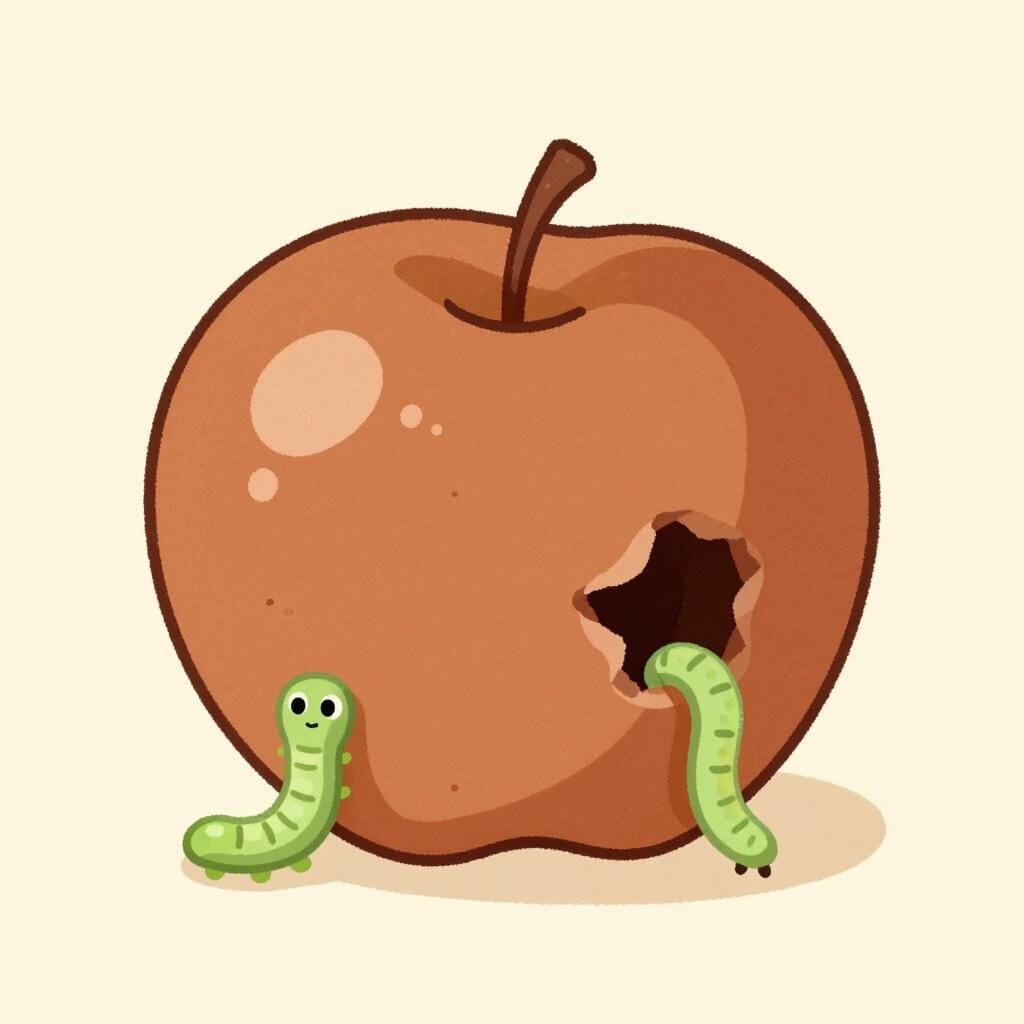
El calor extremo hizo que la carne se corrompiera en pocas horas.
The extreme heat caused the meat to rot in a few hours.
El agua del pozo se corrompió por falta de circulación.
The well water became stagnant and spoiled due to lack of circulation.
Sentimos un olor a materia corrompida.
We smelled the scent of decaying matter.
The 'become' pattern
When things rot naturally, Spanish usually adds 'se' to the end of the verb (se corrompe) to show the change happened by itself.
a-se-si-narase.siˈnaɾ
Examples
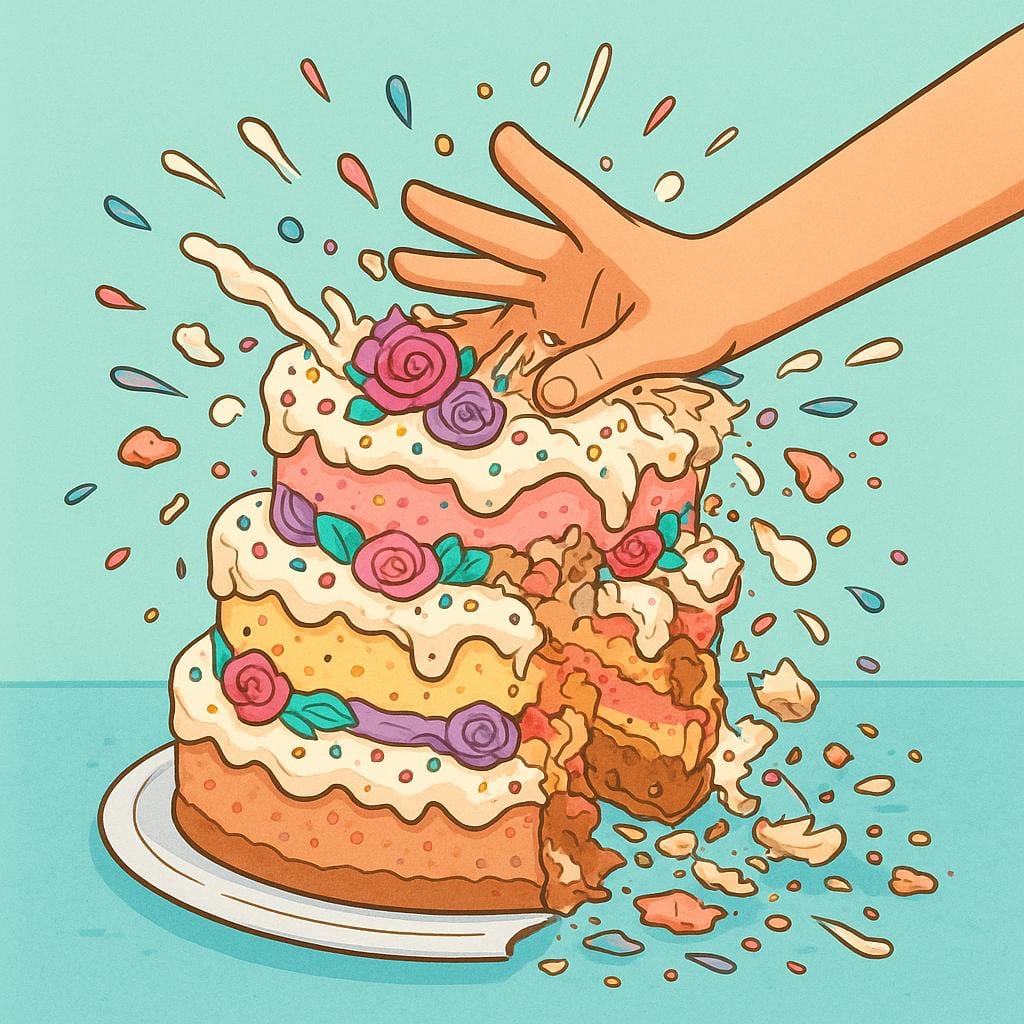
El tráfico pesado asesinó el ambiente romántico de la cena.
The heavy traffic killed the romantic atmosphere of the dinner.
Con esa mala iluminación, la fotografía ha asesinado todos los detalles.
With that bad lighting, the photograph has ruined all the details.
Spoiling Plans vs. Spoiling Children
A frequent error is using 'arruinar' or 'dañar' when you mean to describe spoiling a child. Remember that 'consentir' and 'mimiar' are specifically for indulging children, while 'arruinar' is for ruining events or plans.
Related Translations
Learn Spanish with Inklingo
Interactive stories, personalized learning, and more.