How to Say "to ruin" in Spanish
The most common Spanish word for “to ruin” is “arruinar” — use this for physically destroying or severely damaging something, or for abstract concepts like plans or finances being destroyed.

Use this for physically destroying or severely damaging something, or for abstract concepts like plans or finances being destroyed.
Learn more →
This is best for spoiling a specific plan, event, or situation, often causing annoyance or inconvenience.
Learn more →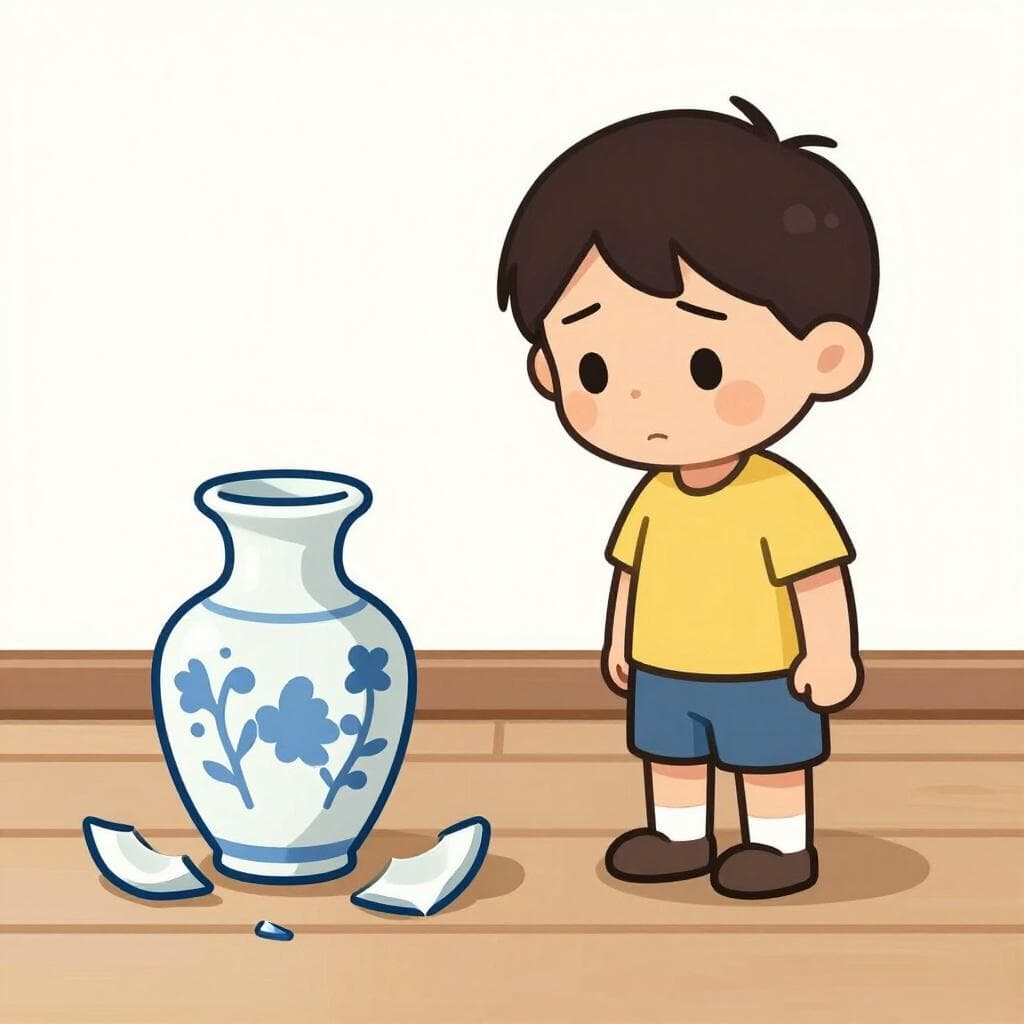
Use this colloquial term when you've messed up or spoiled a situation or plan, often implying a personal mistake.
Learn more →
This is used when something, like a scandal or bad decision, destroys someone's reputation or business.
Learn more →
Use this to describe a plan or event being completely spoiled, or figuratively, when a task will exhaust you.
Learn more →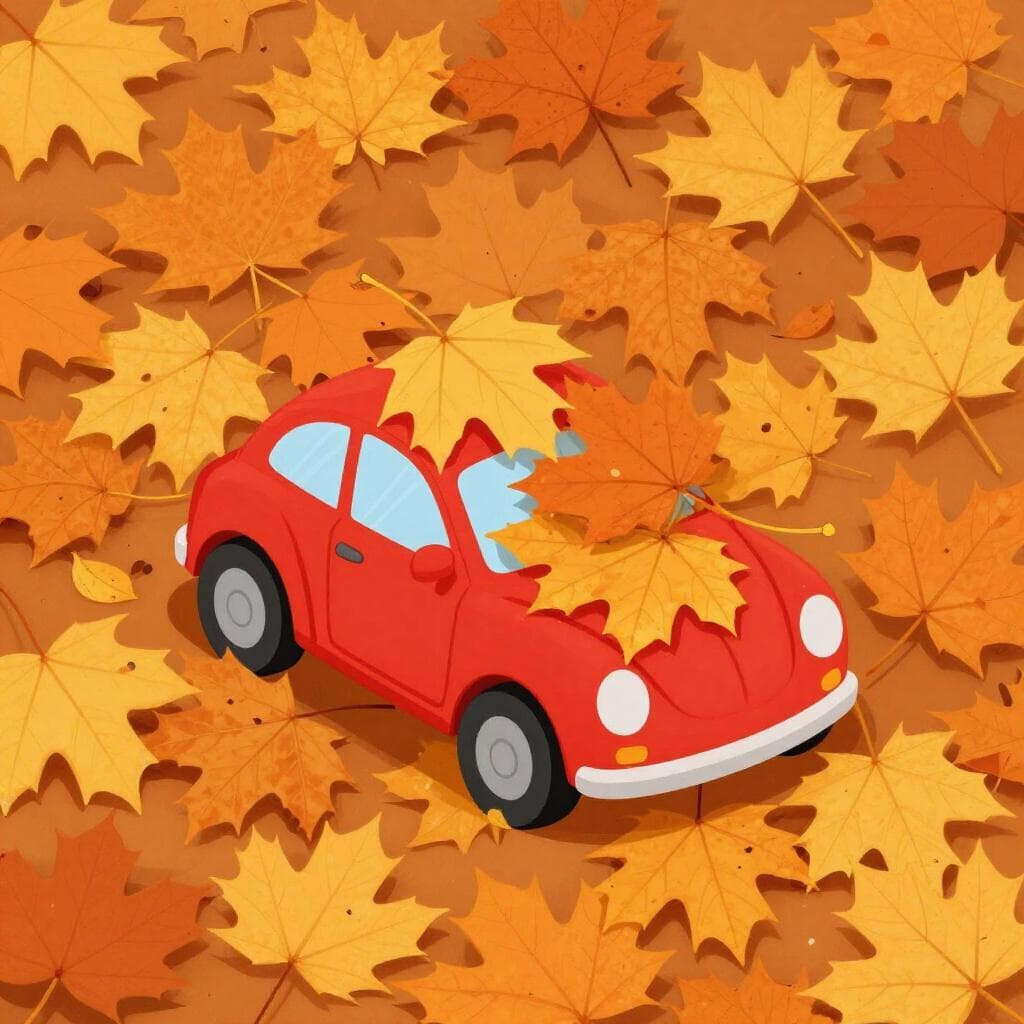
This implies completely ending or burying a career, reputation, or even a place, often in a dramatic or final way.
Learn more →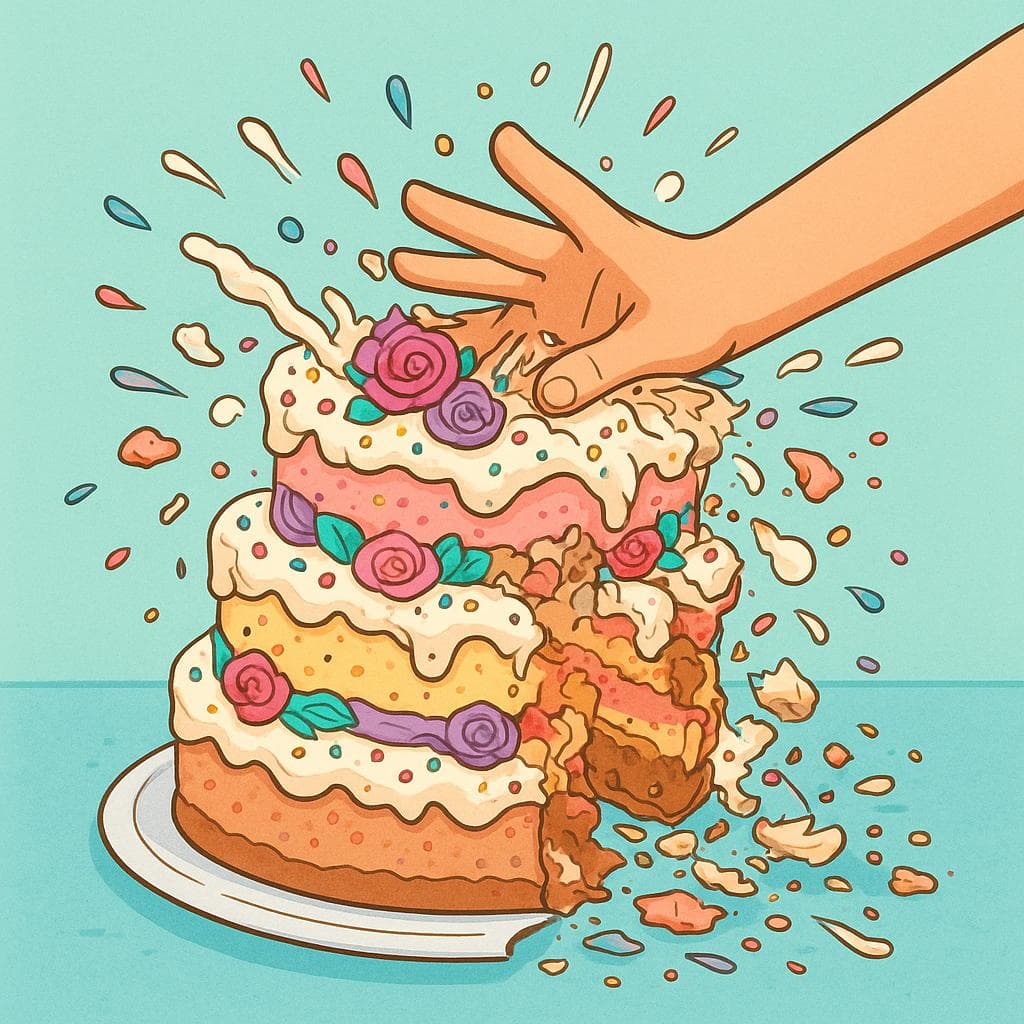
This is a more dramatic and figurative use, meaning to completely destroy or spoil something, often an atmosphere or mood.
Learn more →ahr-roo-ee-NAHRar.rwiˈnar

Examples
La tormenta arruinó la cosecha de este año.
The storm ruined this year's harvest.
El terremoto arruinó muchos edificios históricos.
The earthquake wrecked many historic buildings.
No dejes que un error arruine tu reputación.
Don't let one mistake ruin your reputation.
Regular -AR Verb
This verb follows the standard, predictable pattern for all verbs ending in -ar. If you know how to conjugate 'hablar' (to speak), you know how to conjugate 'arruinar'.
Accenting the 'u'
Mistake: “Using *arruíno* or *arruínas*.”
Correction: The stress stays on the last part of the stem: *arruino*, *arruinas*. The 'u' and 'i' are pronounced together as one syllable (rwee), not separately.
fas-tee-dee-AHRfastiˈðjaɾ

Examples
La lluvia fastidió nuestra excursión.
The rain ruined our trip.
Se me ha fastidiado el ordenador.
My computer has broken down.
No fastidies el secreto.
Don't ruin the secret.
The 'Accidental' Se
To say something broke on its own or by accident, add 'se'. For example, 'Se fastidió la lavadora' (The washing machine broke down).
Ruin vs. Fastidiar
Mistake: “Using 'ruinar' (which isn't a word).”
Correction: Use 'arruinar' or 'fastidiar' when you want to say something was ruined.
kah-gahrkaˈɣaɾ
Examples
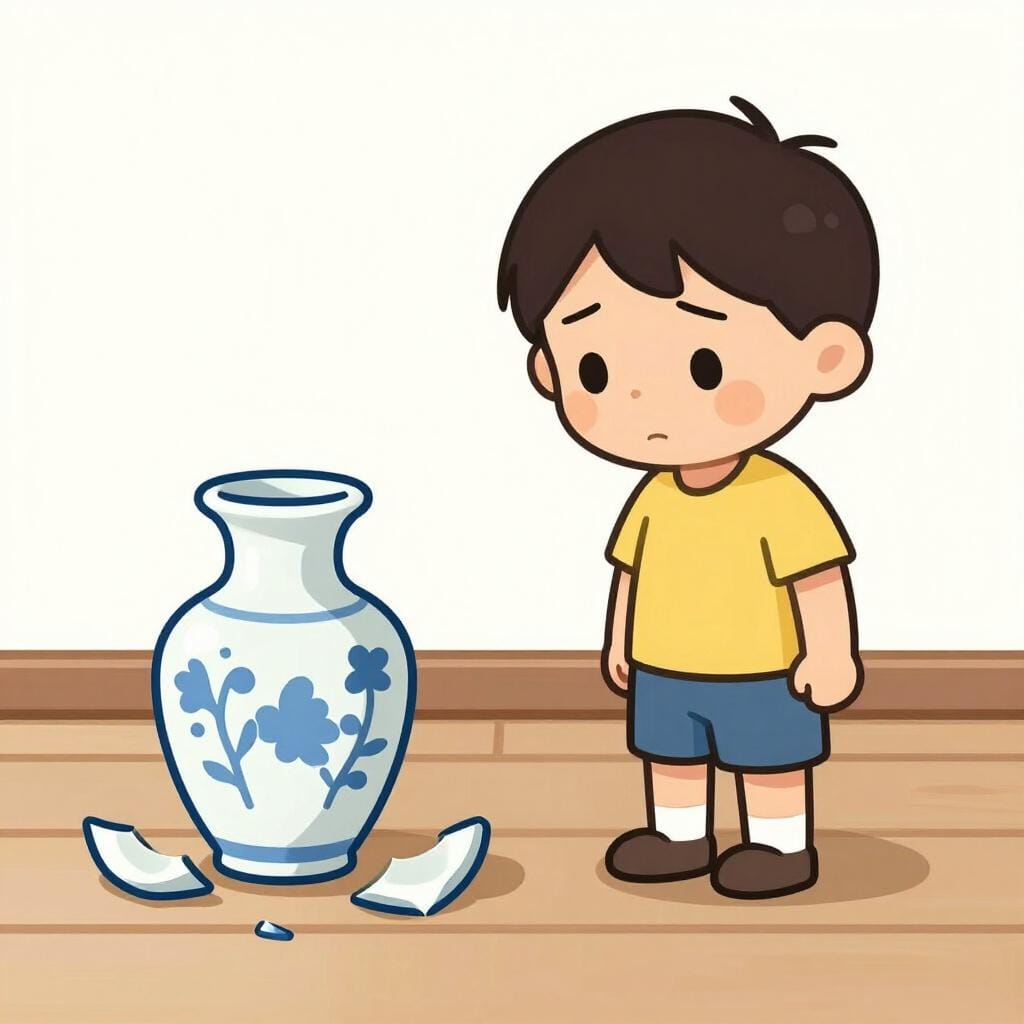
¡La cagué! Olvidé nuestro aniversario.
I messed up! I forgot our anniversary.
No lo digas ahora o vas a cagar la sorpresa.
Don't say it now or you're going to ruin the surprise.
Siempre la cagas cuando te pones nervioso.
You always screw up when you get nervous.
Using 'la' with cagar
When you want to say 'I messed up,' you almost always add 'la' before the verb (la cagué). This 'la' doesn't refer to a specific object; it's just part of the fixed phrase for failing or making an error.
Spelling change in the past
In the 'yo' form of the past tense (preterite), the 'g' changes to 'gu' (cagué) to keep the sound hard. Without the 'u', it would sound like a 'j'!
Using it in formal situations
Mistake: “Using 'cagarla' in a job interview to say you made a mistake.”
Correction: Use 'cometer un error' or 'equivocarse' instead. 'Cagar' is too vulgar for professional settings.
oon-DEERunˈdiɾ

Examples
Ese escándalo va a hundir la carrera del político.
That scandal is going to ruin the politician's career.
La noticia de la muerte de su gato lo hundió en la tristeza.
The news of his cat's death plunged him into sadness.
Las deudas están hundiendo a la pequeña empresa.
Debts are sinking the small company.
Figurative Sinking
Just like in English, you can 'sink' into despair. In Spanish, you use 'en' to say what you are sinking into: 'Hundirse en la miseria'.
Emotional 'Sinking'
Mistake: “Saying 'Estoy hundido' to mean 'I am underwater'.”
Correction: While technically true, if you say 'Estoy hundido' to a friend, they will think you are severely depressed or ruined, not that you are swimming.
re-ben-TARreβenˈtaɾ

Examples
Ese trabajo me va a reventar.
That job is going to ruin me (exhaust me).
Me revienta que llegues tarde siempre.
It really annoys me that you're always late.
Estamos reventados después de la caminata.
We are exhausted after the hike.
Using 'Reventado' as an Adjective
When you want to say you are tired, use 'estar reventado'. It's much stronger than just saying 'cansado' (tired).
seh-pool-TAHRse.pulˈtaɾ

Examples
La avalancha sepultó el pequeño pueblo bajo la nieve.
The avalanche buried the small village under the snow.
Intentó sepultar sus miedos en el trabajo constante.
He tried to bury his fears in constant work.
Ese escándalo sepultó su carrera política para siempre.
That scandal buried his political career forever.
Burying things vs. ideas
You can use this word for physical things (like a car in snow) and invisible things (like a memory). It works exactly like the English word 'bury' in that way.
Preposition Choice
Mistake: “La nieve sepultó el coche en escombros.”
Correction: Use 'bajo' (under) or 'entre' (among) to show what is covering the object: 'sepultó el coche bajo la nieve'.
a-se-si-narase.siˈnaɾ
Examples
El tráfico pesado asesinó el ambiente romántico de la cena.
The heavy traffic killed the romantic atmosphere of the dinner.
Con esa mala iluminación, la fotografía ha asesinado todos los detalles.
With that bad lighting, the photograph has ruined all the details.
Choosing Between 'Arruinar' and 'Fastidiar'
Learners often confuse 'arruinar' and 'fastidiar'. Remember that 'arruinar' implies more complete destruction or damage, while 'fastidiar' is typically used for spoiling plans or events, causing inconvenience rather than total ruin.
Related Translations
Learn Spanish with Inklingo
Interactive stories, personalized learning, and more.