cagar
“cagar” means “to mess up” in Spanish. It has 2 different meanings depending on context:
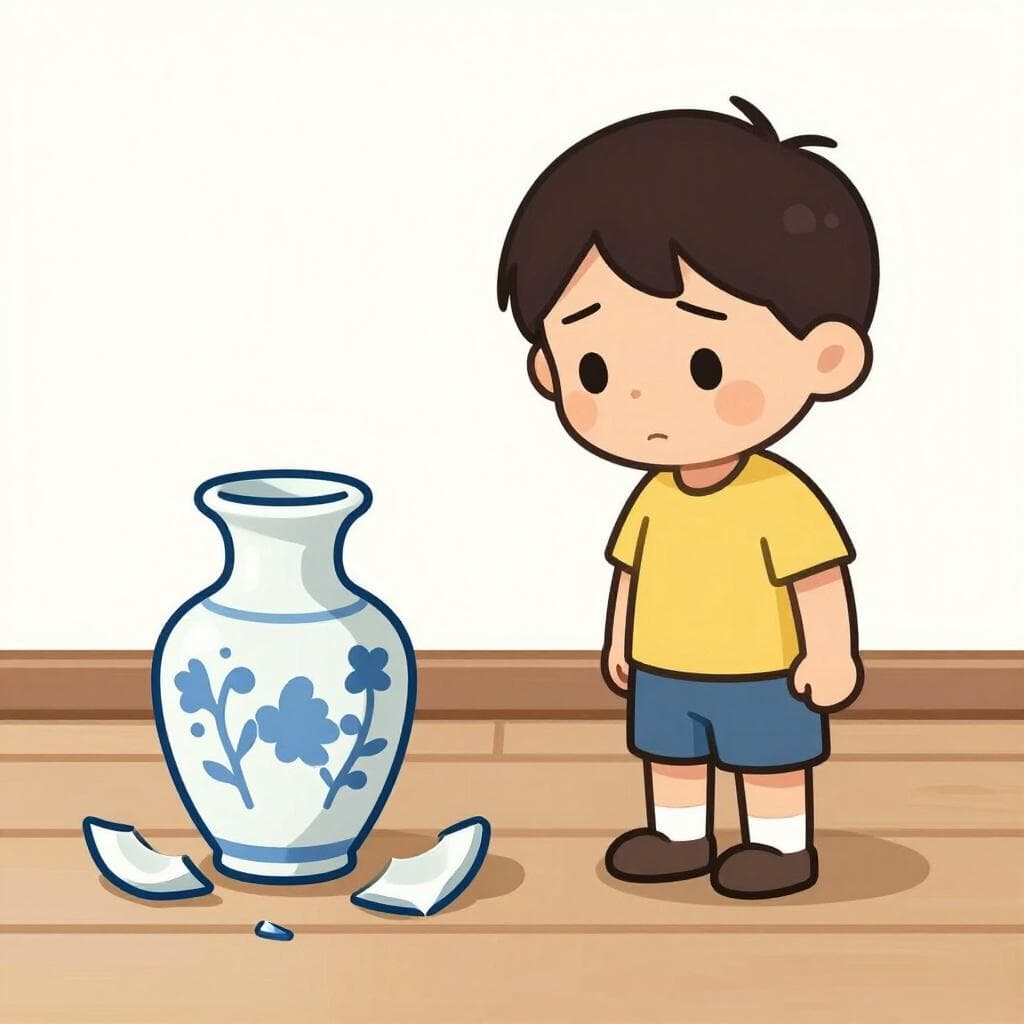
to mess up
Also: to ruin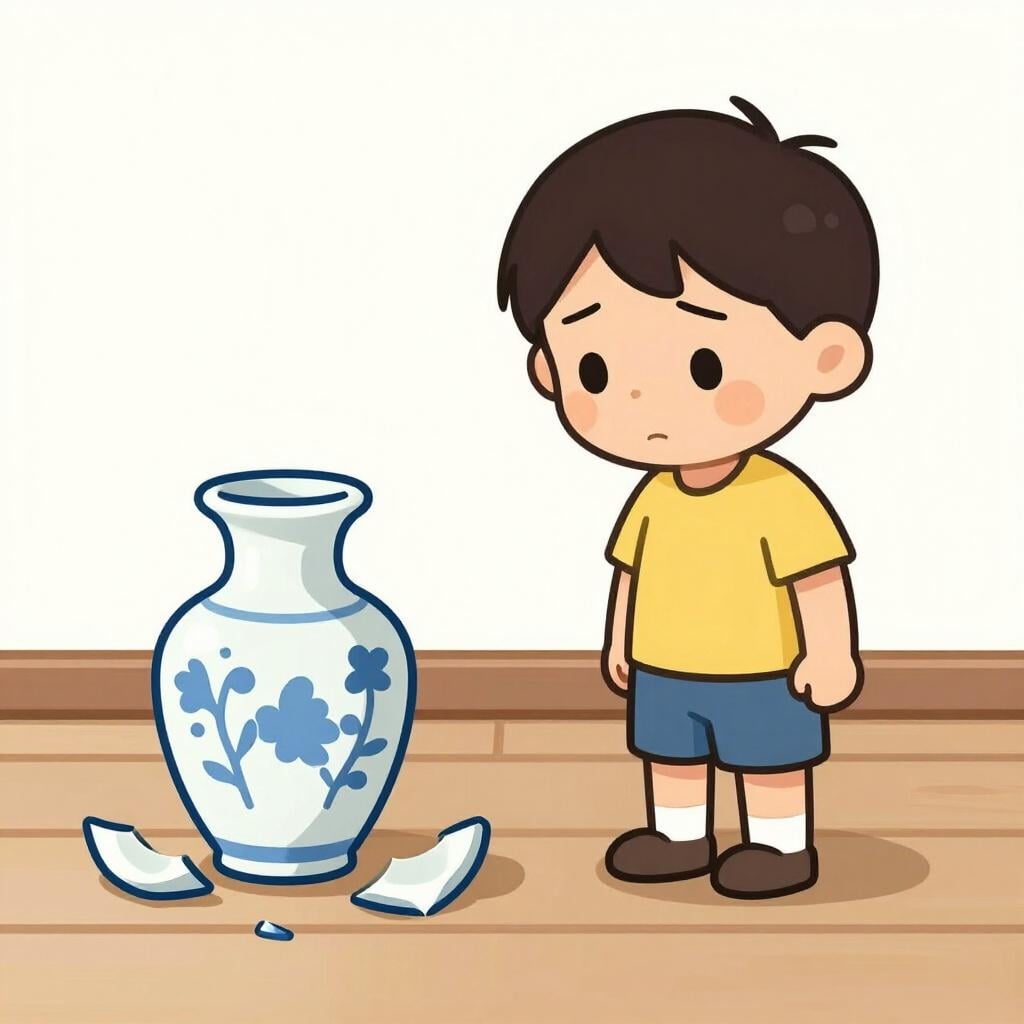
📝 In Action
¡La cagué! Olvidé nuestro aniversario.
B1I messed up! I forgot our anniversary.
No lo digas ahora o vas a cagar la sorpresa.
B2Don't say it now or you're going to ruin the surprise.
Siempre la cagas cuando te pones nervioso.
B1You always screw up when you get nervous.
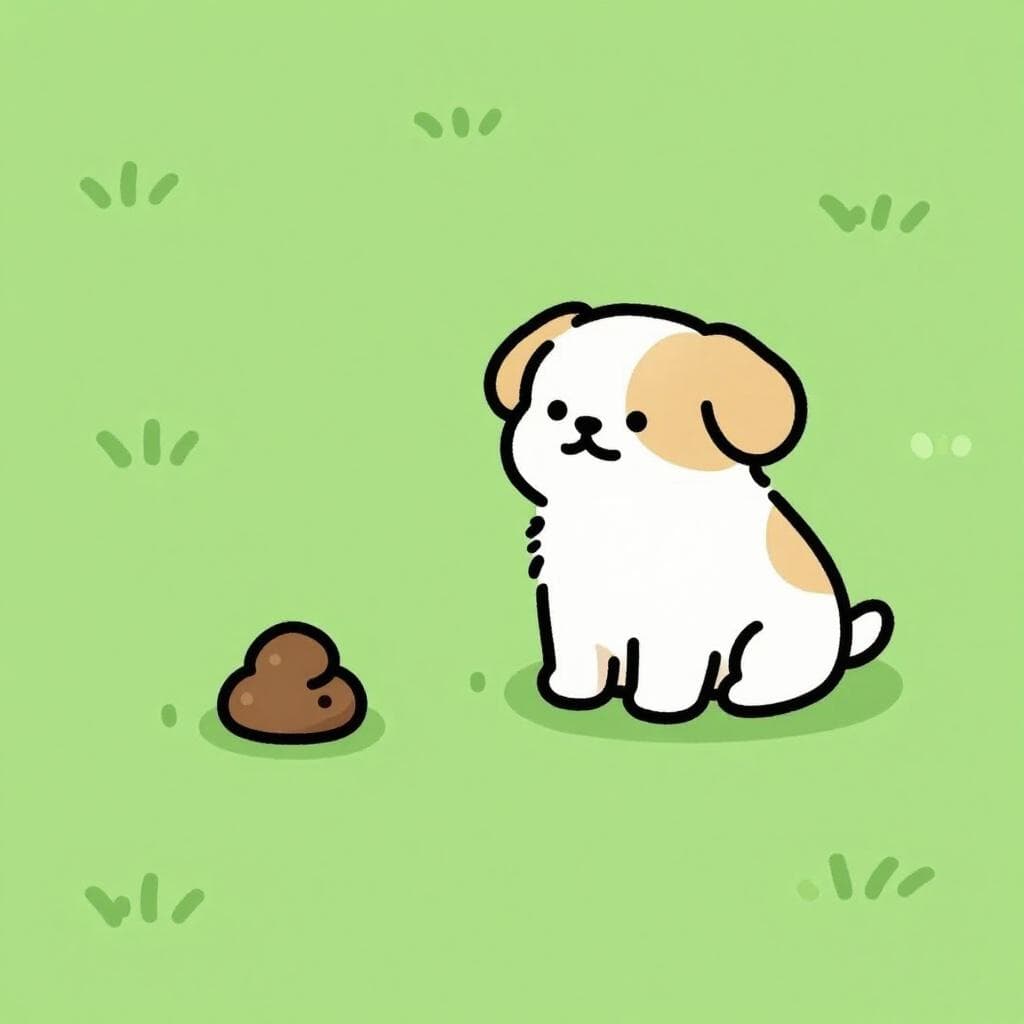
to poop
Also: to crap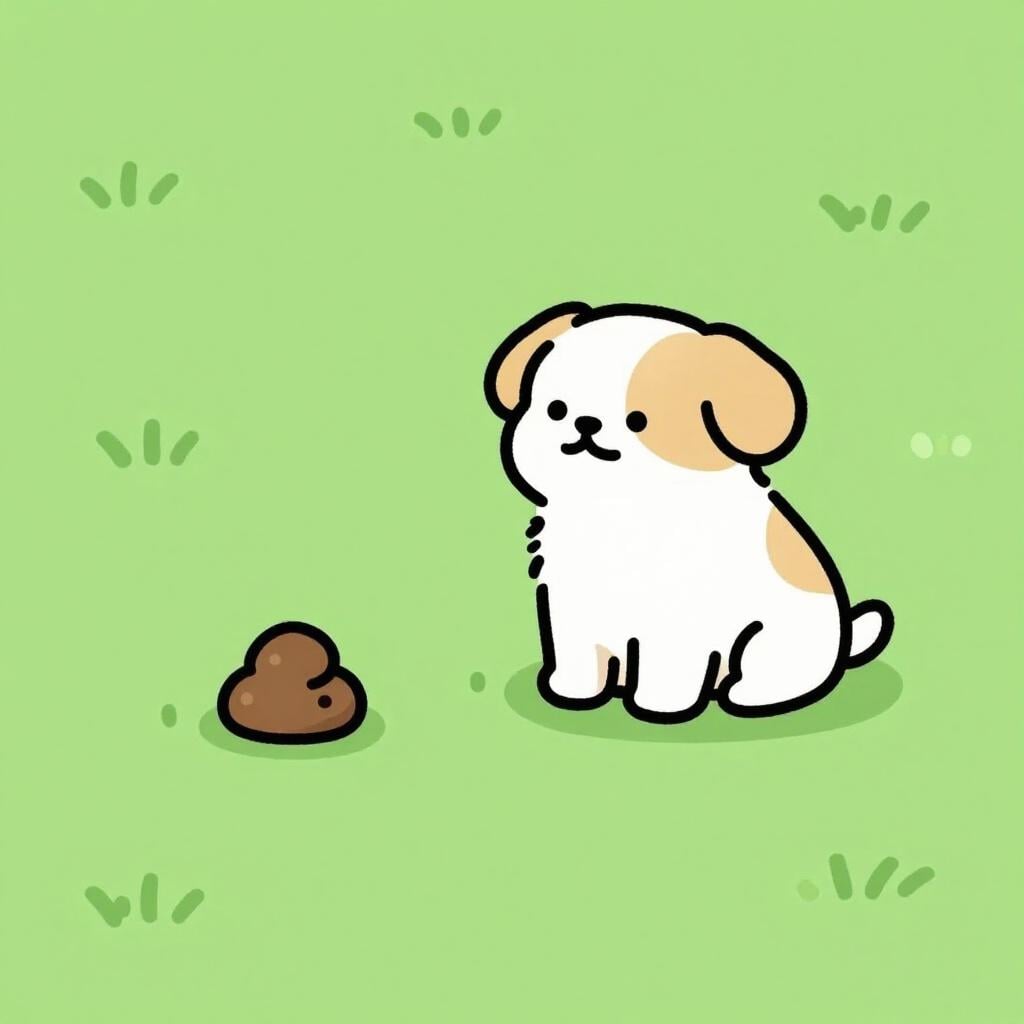
📝 In Action
El perro se cagó en la alfombra.
B1The dog pooped on the carpet.
Tengo ganas de cagar.
B2I need to take a crap.
Subjunctive
Imperfect Subjunctive
Present Subjunctive
Indicative
Preterite
Imperfect
Present
✏️ Quick Practice
Quick Quiz: cagar
Question 1 of 3
How do you say 'I messed up' using this word?
📚 More Resources
👥 Word Family▼
📚 Etymology▼
From the Latin word 'cacare', which had the same meaning. It has been a part of Spanish since its earliest days.
First recorded: 10th century
Cognates (Related words)
💡 Master Spanish
Take your Spanish to the next level. Read 200+ illustrated and narrated Spanish stories tailored to your level with the Inklingo app!
Frequently Asked Questions
Is 'cagar' as bad as the S-word in English?
Yes, it is very similar in weight and tone. It's used the same way for both literal and figurative meanings.
What is the difference between 'cagar' and 'cagarla'?
'Cagar' usually refers to the physical act, while 'cagarla' is the idiom for making a mistake or messing something up.
Is it used the same way in all Spanish-speaking countries?
Mostly, yes. While some regions have specific idioms (like Argentina's 'cagar a pedos'), the basic meaning of messing up or the literal meaning is understood everywhere.