How to Say "to overwhelm" in Spanish
The most common Spanish word for “to overwhelm” is “abrumar” — use 'abrumar' when someone is experiencing significant mental or emotional pressure, often due to a large amount of tasks or stress.
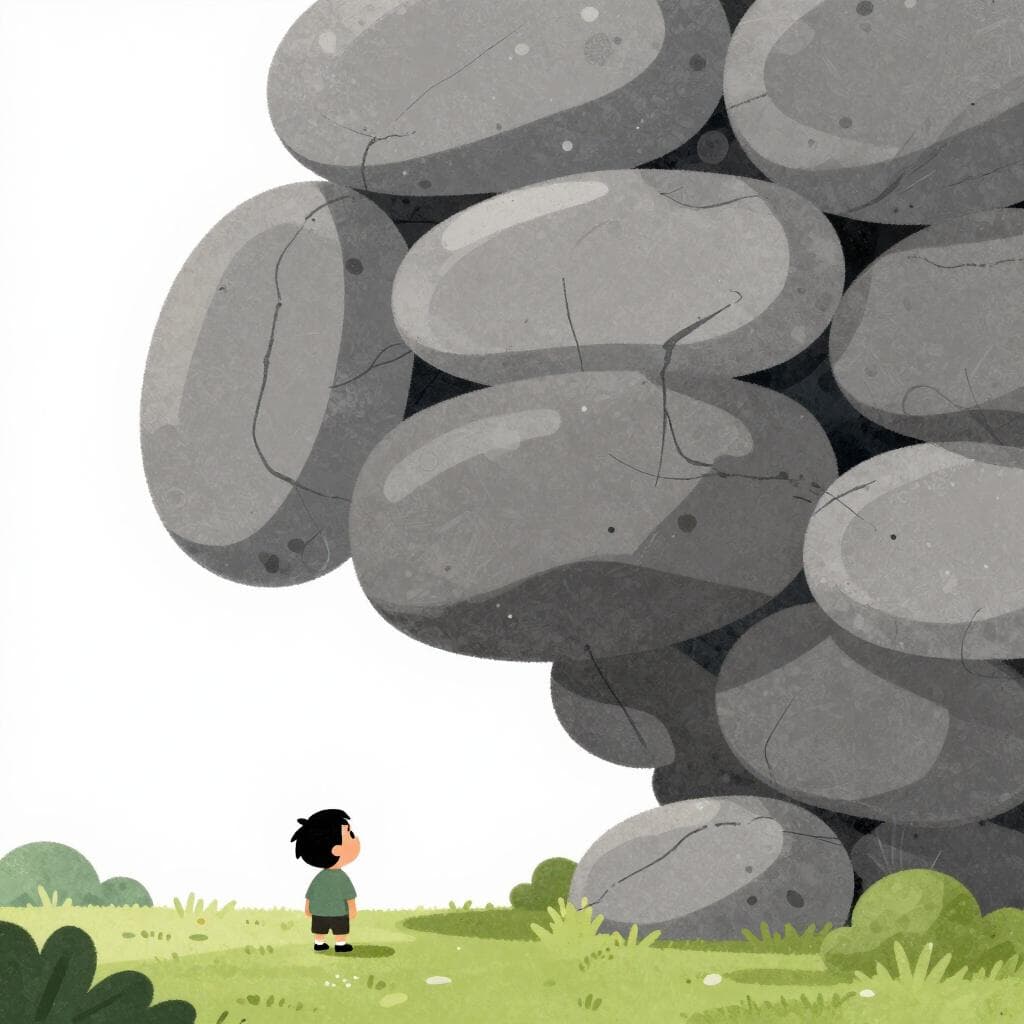
Use 'abrumar' when someone is experiencing significant mental or emotional pressure, often due to a large amount of tasks or stress.
Learn more →
Use 'aplastar' when you are dominated by an opponent in a competition or when something is excessively intense, like extreme heat.
Learn more →
Use 'ahogar' when you feel completely submerged or crushed by responsibilities, debt, or strong emotions you are trying to suppress.
Learn more →
Choose 'sobrepasar' when a situation is simply too much for you to handle or manage effectively.
Learn more →
Use 'hundir' when something is causing a complete downfall or ruin, especially concerning careers or finances due to excessive work or debt.
Learn more →
Employ 'sepultar' when you are literally or figuratively buried under a massive amount of work, debt, or intense emotions.
Learn more →
Use 'inundar' when a large quantity of something, like customers or information, suddenly arrives and creates an overwhelming situation.
Learn more →
Use 'acorralar' when someone is put in a corner, feeling helpless and trapped, often by difficult questions or a difficult situation.
Learn more →
Choose 'invadir' when a strong feeling or sensation suddenly comes over you, like sadness or fear.
Learn more →ah-broo-MAHRaβɾuˈmaɾ

Examples
Me abruma pensar en todo lo que tengo que hacer esta semana.
It overwhelms me to think about everything I have to do this week.
La cantidad de información nueva puede abrumar a los estudiantes.
The amount of new information can overwhelm the students.
No dejes que los problemas te abrumen; ve paso a paso.
Don't let the problems weigh you down; go step by step.
Who feels it?
In Spanish, the person who feels overwhelmed is usually treated as the 'receiver' of the action. You'll often see 'me', 'te', or 'le' before the verb (e.g., 'me abruma' = 'it overwhelms me').
Using the 'Participle' as an Adjective
The form 'abrumado' (overwhelmed) behaves just like an adjective. Remember to change the ending to match the person: 'él está abrumado' vs 'ella está abrumada'.
Abrumar vs. Aburrir
Mistake: “Me abruma esta película porque no pasa nada.”
Correction: Me aburre esta película porque no pasa nada.
ah-plahs-taraplasˈtaɾ

Examples
Nuestro equipo aplastó al rival en la final.
Our team crushed the rival in the final.
La evidencia aplastó los argumentos de la defensa.
The evidence crushed the defense's arguments.
El candidato aplastó a sus oponentes en las elecciones.
The candidate trounced his opponents in the elections.
El calor de la ciudad me está aplastando.
The city heat is weighing me down.
Using the personal 'a'
When you use 'aplastar' to mean defeating a person or a specific team, remember to put 'al' (a + el) or 'a' before their name. Example: 'Aplastamos a los Leones'.
Describing feelings
You can use the word 'aplastado' (the past participle) just like an adjective to describe how you feel when life gets too heavy.
ah-oh-GARaoˈɡaɾ
Examples
Ella intentó ahogar un sollozo para que nadie la oyeran.
She tried to stifle a sob so no one would hear her.
Las deudas están ahogando a la pequeña empresa.
Debts are overwhelming the small business.
Creo que has ahogado el motor al intentar arrancarlo.
I think you've flooded the engine trying to start it.
Figurative Drowning
Just like in English, you can 'drown' in work or debt. In Spanish, we use 'ahogarse' for that feeling of being trapped by pressure.
so-bre-pa-SARsoβɾepaˈsaɾ

Examples
La situación familiar me sobrepasa.
The family situation is overwhelming me.
Se sintió sobrepasado por tantas responsabilidades.
He felt overwhelmed by so many responsibilities.
Using 'Me' and 'Te'
When a situation is 'too much' for you, the situation is the one doing the action to you. Use 'me sobrepasa' to say 'it overwhelms me'.
oon-DEERunˈdiɾ

Examples
Ese escándalo va a hundir la carrera del político.
That scandal is going to ruin the politician's career.
La noticia de la muerte de su gato lo hundió en la tristeza.
The news of his cat's death plunged him into sadness.
Las deudas están hundiendo a la pequeña empresa.
Debts are sinking the small company.
Figurative Sinking
Just like in English, you can 'sink' into despair. In Spanish, you use 'en' to say what you are sinking into: 'Hundirse en la miseria'.
Emotional 'Sinking'
Mistake: “Saying 'Estoy hundido' to mean 'I am underwater'.”
Correction: While technically true, if you say 'Estoy hundido' to a friend, they will think you are severely depressed or ruined, not that you are swimming.
seh-pool-TAHRse.pulˈtaɾ

Examples
La avalancha sepultó el pequeño pueblo bajo la nieve.
The avalanche buried the small village under the snow.
Intentó sepultar sus miedos en el trabajo constante.
He tried to bury his fears in constant work.
Ese escándalo sepultó su carrera política para siempre.
That scandal buried his political career forever.
Burying things vs. ideas
You can use this word for physical things (like a car in snow) and invisible things (like a memory). It works exactly like the English word 'bury' in that way.
Preposition Choice
Mistake: “La nieve sepultó el coche en escombros.”
Correction: Use 'bajo' (under) or 'entre' (among) to show what is covering the object: 'sepultó el coche bajo la nieve'.
ee-noon-DAHRinunˈdaɾ

Examples
Los clientes inundaron la tienda durante las rebajas.
Customers swamped the store during the sales.
La luz del sol inundaba toda la sala.
The sunlight filled the entire room.
Me inundaron con preguntas después de la presentación.
They overwhelmed me with questions after the presentation.
Preposition 'de' for feelings
When talking about being filled with an emotion, we always follow the word with 'de' (e.g., inundar de paz).
Using 'con' instead of 'de'
Mistake: “Me inundó con tristeza.”
Correction: Me inundó de tristeza. (While 'con' is understood, 'de' is the more natural way to describe what fills a person's heart or a room).
ah-koh-rrah-LAHRakoɾaˈlaɾ

Examples
El periodista acorraló al político con preguntas difíciles.
The journalist cornered the politician with difficult questions.
Sus deudas finalmente lo acorralaron.
His debts finally pinned him down.
Me siento acorralado por mis responsabilidades.
I feel overwhelmed/cornered by my responsibilities.
Using the Past Participle as an Adjective
The word 'acorralado' is very common to describe a state of mind. Remember to change the ending for gender: 'Ella se siente acorralada' (She feels cornered).
Missing the Figurative Strength
Mistake: “Thinking it only applies to animals or police chases.”
Correction: In modern Spanish, it's just as likely to describe an emotional or social situation where someone feels they have no choices left.
een-bah-DEERim.baˈðiɾ

Examples
Una gran tristeza me invadió al escuchar la noticia.
A great sadness overwhelmed me when I heard the news.
El pánico invadió a la multitud.
Panic overcame the crowd.
Emotions as the Subject
When talking about feelings, the emotion is the one doing the 'invading.' You use 'me', 'te', 'le' to show who is feeling it.
Abrumar vs. Aplastar
Learners often confuse 'abrumar' and 'aplastar'. Remember that 'abrumar' is typically for mental or emotional pressure, while 'aplastar' is used for physical domination or intense, crushing situations like extreme heat.
Related Translations
Learn Spanish with Inklingo
Interactive stories, personalized learning, and more.