How to Say "to bury" in Spanish
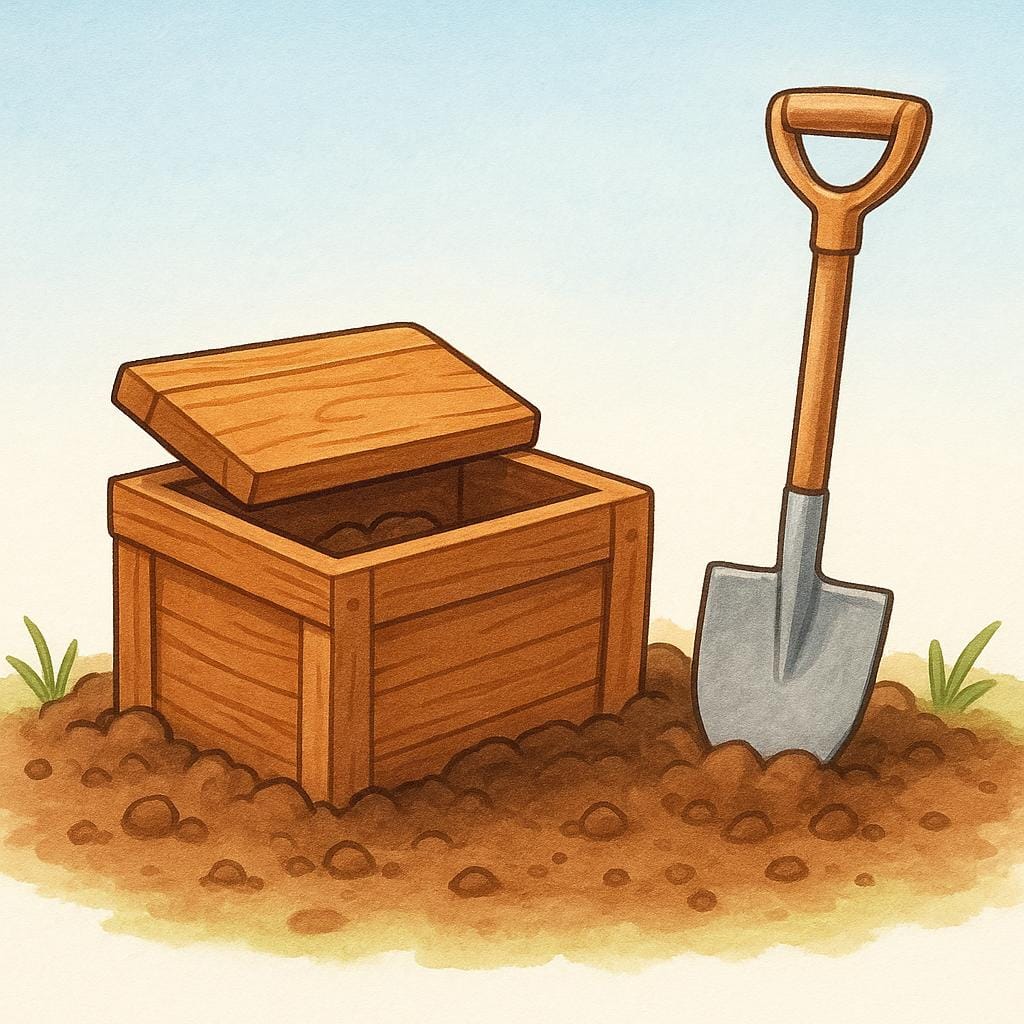
The most common Spanish word for “to bury” is “enterrar” — use 'enterrar' when referring to the act of placing something, like an object or treasure, beneath the ground, often for hiding or safekeeping.
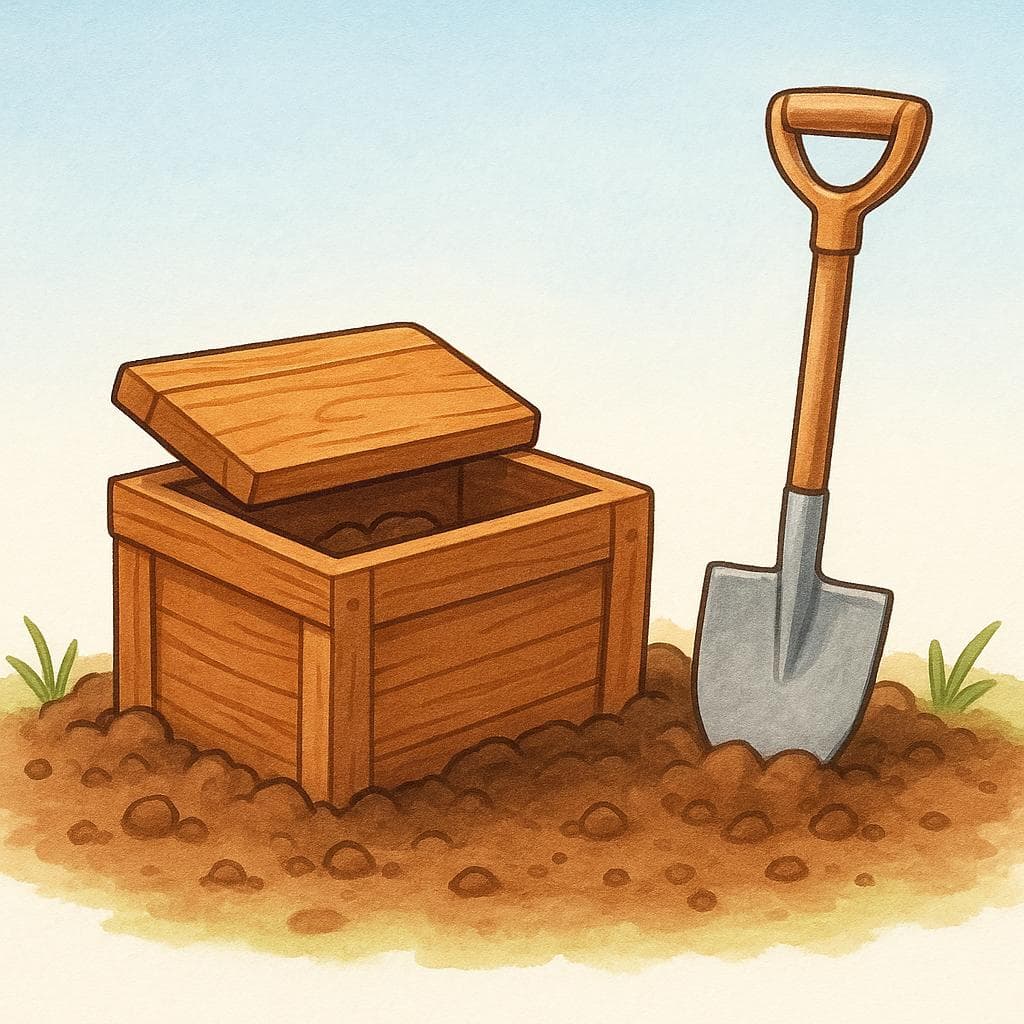
Use 'enterrar' when referring to the act of placing something, like an object or treasure, beneath the ground, often for hiding or safekeeping.
Learn more →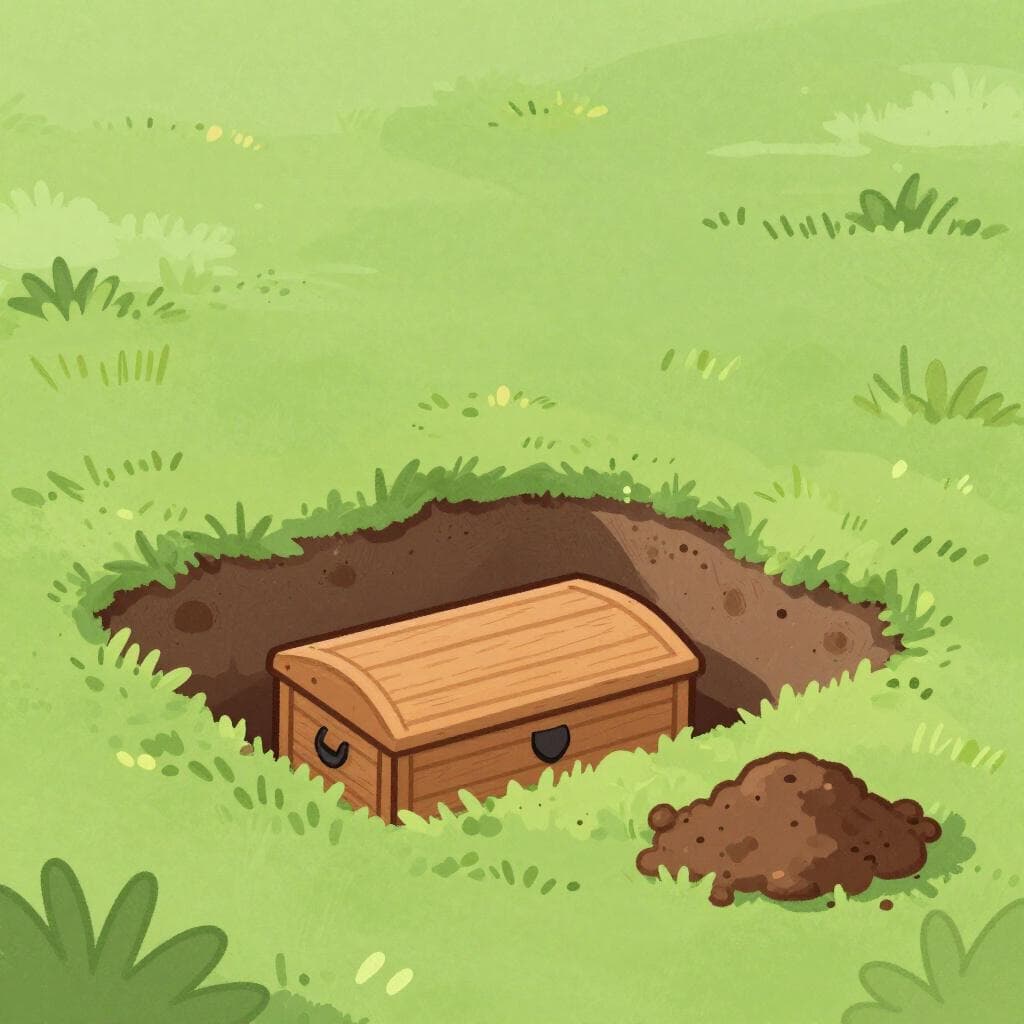
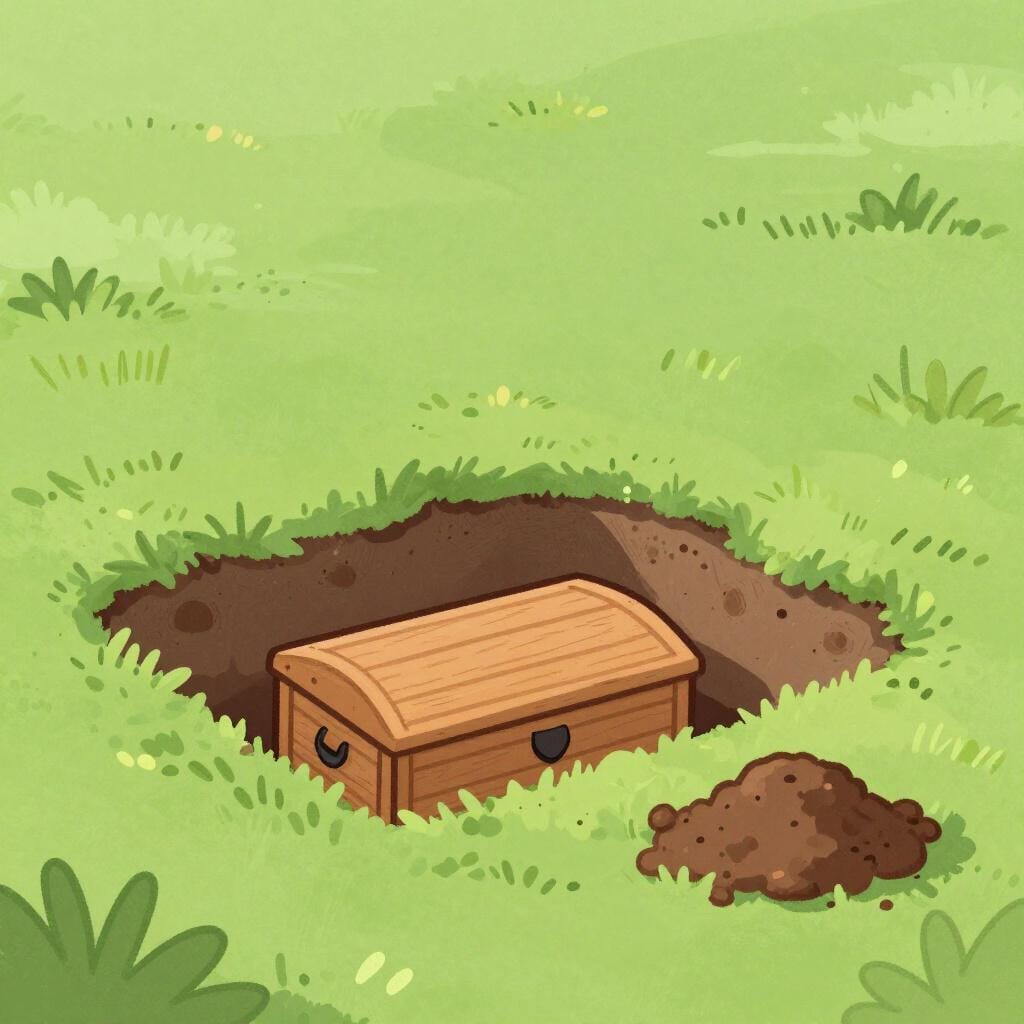
Use 'sepultar' specifically when referring to the formal act of placing a deceased person into a grave, or more figuratively, when something is completely covered or overwhelmed by a large mass.
Learn more →en-teh-RRAHRen.teˈrar
Examples
El pirata decidió enterrar el cofre del tesoro en la isla desierta.
The pirate decided to bury the treasure chest on the deserted island.
El perro siempre entierra sus huesos en el jardín.
The dog always buries his bones in the garden.
Van a enterrar los cables eléctricos para que no se vean.
They are going to bury the electrical cables so they aren't visible.
Decidieron enterrar a la abuela junto a su esposo.
They decided to inter the grandmother next to her husband.
Stem-Change Warning
In the present tense, the 'e' in the stem changes to 'ie' (e.g., 'entierro', 'entierras'). This pattern skips the 'we' (nosotros) and 'you all' (vosotros) forms, which stay regular: 'enterramos'.
Forgetting the Stem Change
Mistake: “Yo enterraba la evidencia.”
Correction: Yo enterré la evidencia. (Using the correct preterite form, or 'Yo entierro' for present tense.)
seh-pool-TAHRse.pulˈtaɾ
Examples
La familia organizó un funeral solemne para sepultar a su ser querido.
The family organized a solemn funeral to bury their loved one.
Decidieron sepultar a su abuelo en el cementerio del pueblo.
They decided to bury their grandfather in the village cemetery.
El faraón fue sepultado con todos sus tesoros.
The pharaoh was interred with all his treasures.
Es un honor sepultar a los héroes en el panteón nacional.
It is an honor to lay heroes to rest in the national pantheon.
Using the 'Personal A'
Since this word usually involves a person (the one being buried), you must use the word 'a' before the person's name or title, like 'Sepultaron a la reina'.
A Regular Pattern
Good news! This verb follows the standard pattern for all '-ar' verbs, so there are no surprise spelling changes in any tense.
Burying things vs. ideas
You can use this word for physical things (like a car in snow) and invisible things (like a memory). It works exactly like the English word 'bury' in that way.
Formal vs. Informal
Mistake: “Using 'sepultar' when talking about burying a pet in the backyard.”
Correction: Use 'enterrar' for everyday situations. 'Sepultar' sounds a bit too much like a royal funeral for a hamster!
Preposition Choice
Mistake: “La nieve sepultó el coche en escombros.”
Correction: Use 'bajo' (under) or 'entre' (among) to show what is covering the object: 'sepultó el coche bajo la nieve'.
seh-pool-TAHRse.pulˈtaɾ
Examples
Una tormenta de nieve sepultó el coche por completo.
A snowstorm buried the car completely.
Decidieron sepultar a su abuelo en el cementerio del pueblo.
They decided to bury their grandfather in the village cemetery.
El faraón fue sepultado con todos sus tesoros.
The pharaoh was interred with all his treasures.
Es un honor sepultar a los héroes en el panteón nacional.
It is an honor to lay heroes to rest in the national pantheon.
Using the 'Personal A'
Since this word usually involves a person (the one being buried), you must use the word 'a' before the person's name or title, like 'Sepultaron a la reina'.
A Regular Pattern
Good news! This verb follows the standard pattern for all '-ar' verbs, so there are no surprise spelling changes in any tense.
Burying things vs. ideas
You can use this word for physical things (like a car in snow) and invisible things (like a memory). It works exactly like the English word 'bury' in that way.
Formal vs. Informal
Mistake: “Using 'sepultar' when talking about burying a pet in the backyard.”
Correction: Use 'enterrar' for everyday situations. 'Sepultar' sounds a bit too much like a royal funeral for a hamster!
Preposition Choice
Mistake: “La nieve sepultó el coche en escombros.”
Correction: Use 'bajo' (under) or 'entre' (among) to show what is covering the object: 'sepultó el coche bajo la nieve'.
Entierrar vs. Sepultar for people
The most common mistake is using 'enterrar' for deceased people. While understandable, 'sepultar' is the specific and more appropriate verb for burying a dead body in a grave. 'Enterrar' is generally reserved for objects or things being placed underground.
Related Translations
Learn Spanish with Inklingo
Interactive stories, personalized learning, and more.