sepultar
“sepultar” means “to bury” in Spanish. It has 2 different meanings depending on context:
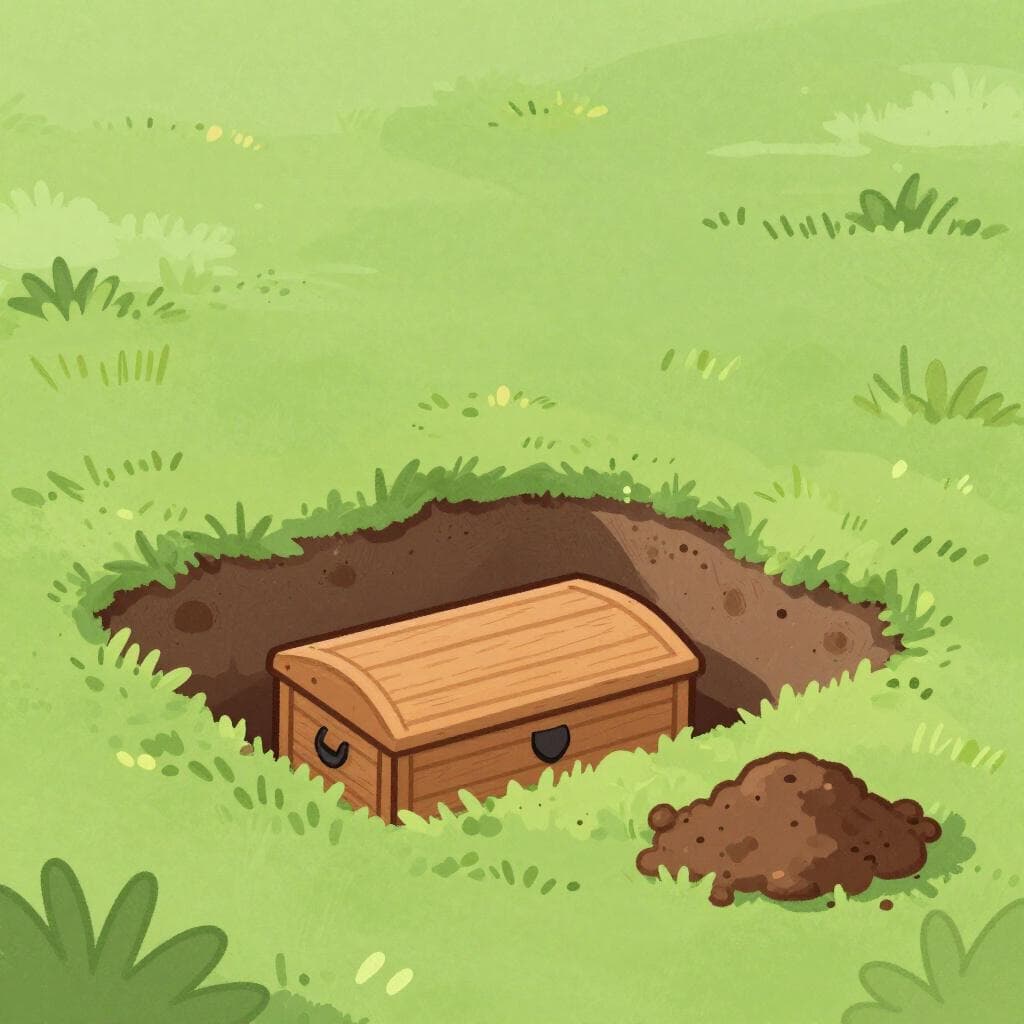

to bury, to inter
Also: to lay to rest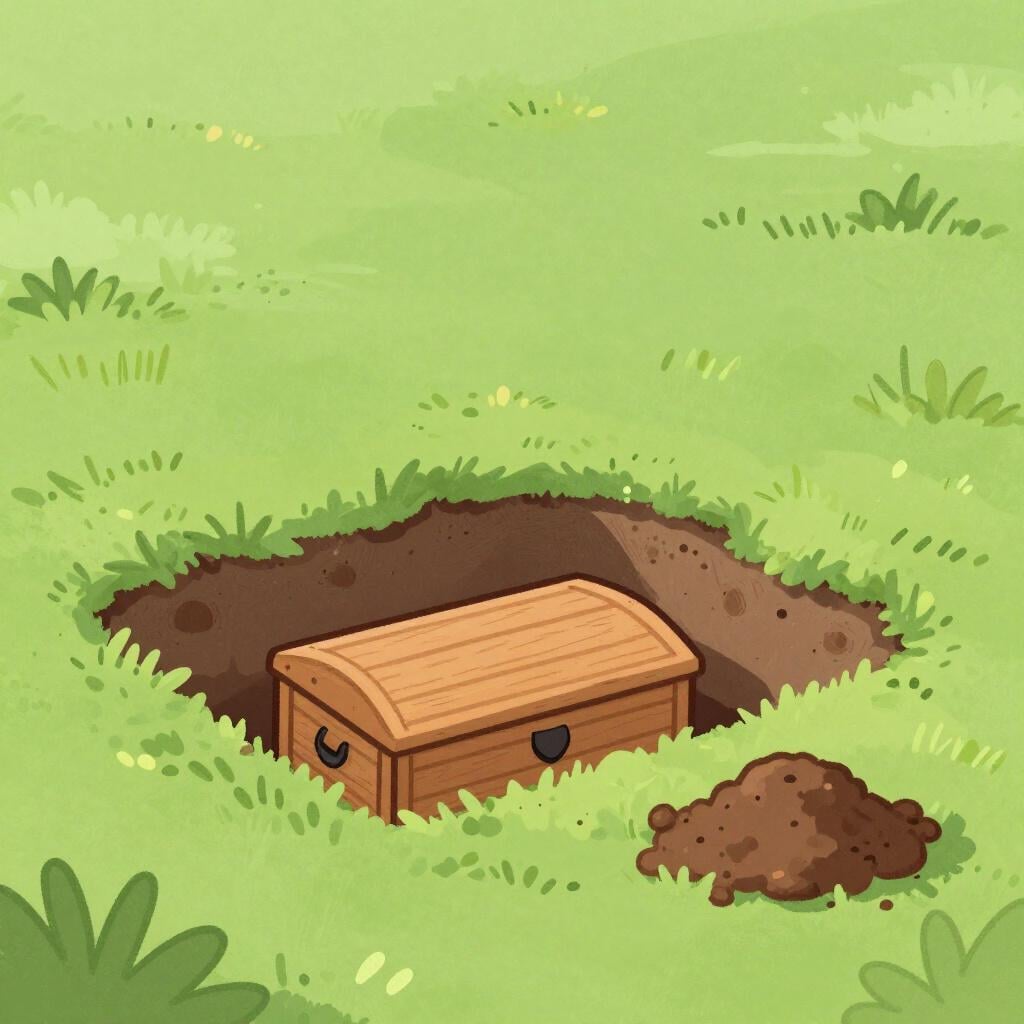
📝 In Action
Decidieron sepultar a su abuelo en el cementerio del pueblo.
A2They decided to bury their grandfather in the village cemetery.
El faraón fue sepultado con todos sus tesoros.
B1The pharaoh was interred with all his treasures.
Es un honor sepultar a los héroes en el panteón nacional.
B2It is an honor to lay heroes to rest in the national pantheon.
to bury, to overwhelm
Also: to hide, to ruin
📝 In Action
La avalancha sepultó el pequeño pueblo bajo la nieve.
B1The avalanche buried the small village under the snow.
Intentó sepultar sus miedos en el trabajo constante.
B2He tried to bury his fears in constant work.
Ese escándalo sepultó su carrera política para siempre.
C1That scandal buried his political career forever.
Subjunctive
Imperfect Subjunctive
Present Subjunctive
Indicative
Preterite
Imperfect
Present
Translate to Spanish
✏️ Quick Practice
Quick Quiz: sepultar
Question 1 of 3
Which word is more casual and common for burying a bone in the garden?
📚 More Resources
👥 Word Family▼
📚 Etymology▼
From the Latin 'sepultāre', which is the frequentative form of 'sepelīre' (to bury/inter). It shares the same root as the English word 'sepulcher'.
First recorded: 13th century
Cognates (Related words)
💡 Master Spanish
Take your Spanish to the next level. Read 200+ illustrated and narrated Spanish stories tailored to your level with the Inklingo app!
Frequently Asked Questions
Is 'sepultar' an irregular verb?
No, it is a completely regular -ar verb. It follows the same rules as 'hablar' or 'cantar'.
Can I use 'sepultar' for trash?
Technically yes, but it sounds very dramatic. Usually, we use 'enterrar la basura' or simply 'tirar la basura'.
What is the difference between 'sepultar' and 'inhumar'?
'Inhumar' is a very clinical or legal term used by funeral directors and police. 'Sepultar' is formal but more common in news and literature.