olvidar
“olvidar” means “to forget” in Spanish. It has 2 different meanings depending on context:
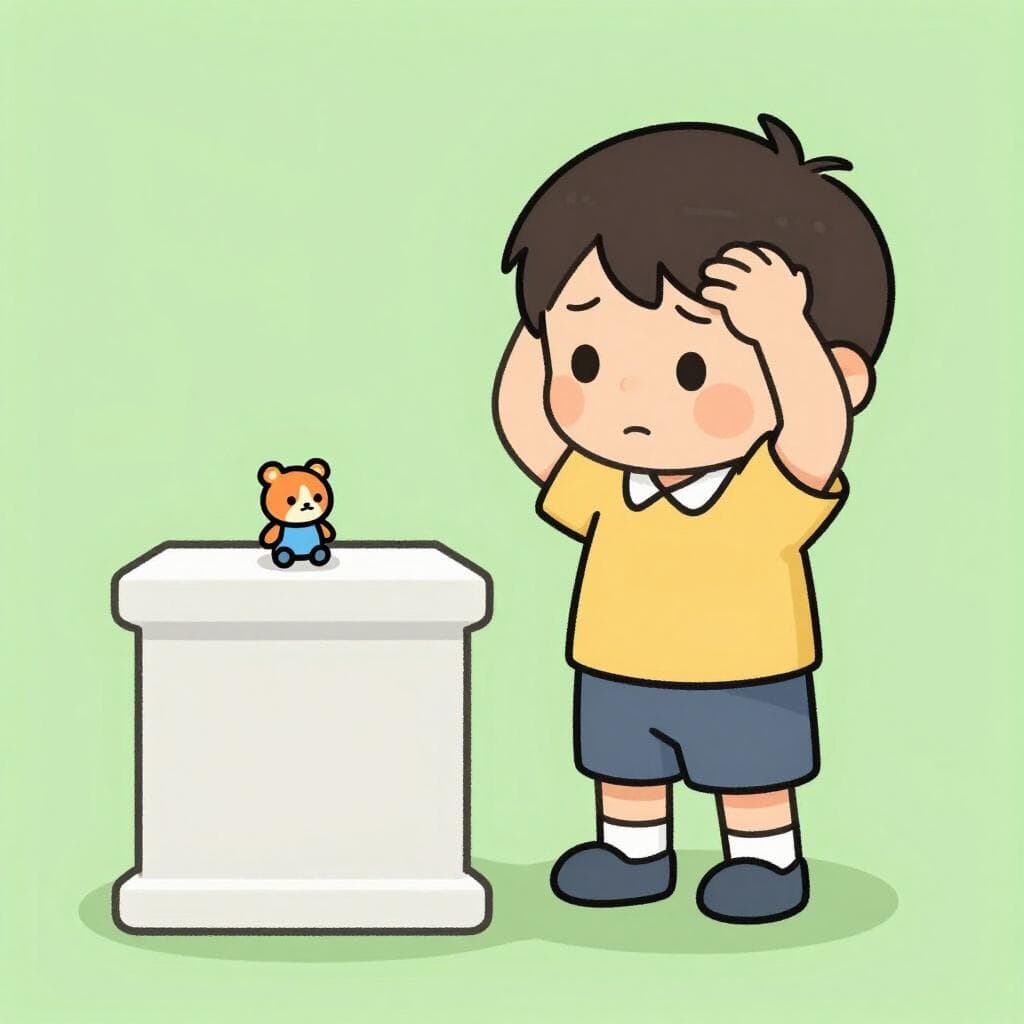

to forget
Also: to leave behind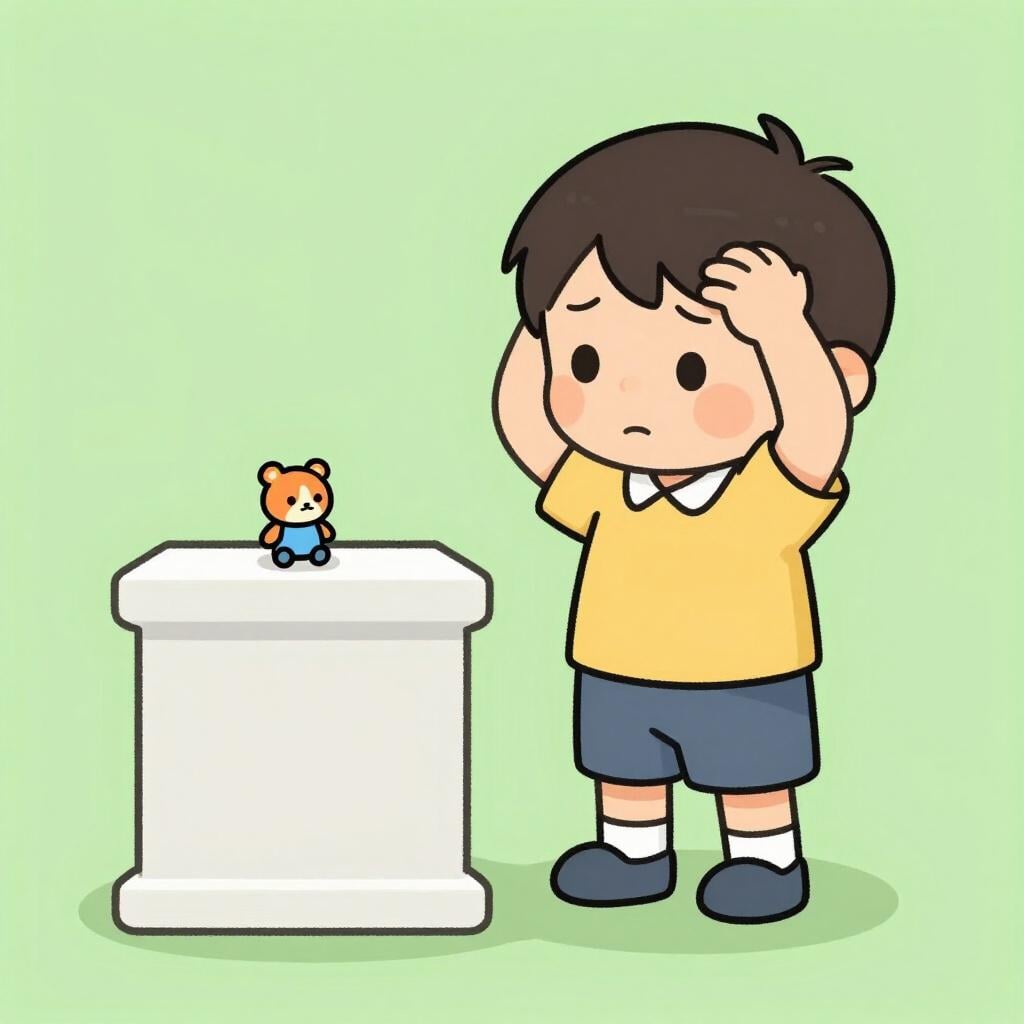
📝 In Action
Olvidé la contraseña de mi correo electrónico.
A1I forgot my email password.
Nunca olvidaré tu amabilidad.
A2I will never forget your kindness.
Ella olvidó su paraguas en el autobús.
A1She left her umbrella on the bus.
to forget (to do something)
Also: to forget about
📝 In Action
¡Me olvidé de llamar a mi madre!
B1I forgot (slipped my mind) to call my mother!
Nunca te olvides de dónde vienes.
B2Never forget where you come from.
Se olvidaron de la fecha de la reunión.
B1They forgot the date of the meeting.
Subjunctive
Imperfect Subjunctive
Present Subjunctive
Indicative
Preterite
Imperfect
Present
🔀 Commonly Confused With
Translate to Spanish
✏️ Quick Practice
Quick Quiz: olvidar
Question 1 of 2
Which sentence correctly uses the pronominal form 'olvidarse' to talk about forgetting a task?
📚 More Resources
👥 Word Family▼
📚 Etymology▼
Comes from the Latin verb *oblivisci*, which meant 'to forget'. This Latin root also gives us the English word 'oblivion'.
First recorded: Around the 13th century in Spanish.
Cognates (Related words)
💡 Master Spanish
Take your Spanish to the next level. Read 200+ illustrated and narrated Spanish stories tailored to your level with the Inklingo app!
Frequently Asked Questions
What is the difference between 'olvidar' and 'olvidarse de'?
Both mean 'to forget,' but 'olvidarse de' (using the little pronoun like 'me' or 'se') often carries a stronger sense of the action being unintentional or accidental, or it is specifically used when saying you forgot to perform an action ('Me olvidé de pagar'). The simple 'olvidar' is used directly with the thing forgotten ('Olvidé el libro').
Can I use 'olvidar' to mean 'to forgive'?
No, 'olvidar' means 'to forget.' The correct verb for 'to forgive' is 'perdonar.' You can tell someone to 'forget the past' using 'olvidar el pasado,' but you cannot use it to grant forgiveness.