desenterrar
“desenterrar” means “to dig up” in Spanish. It has 2 different meanings depending on context:
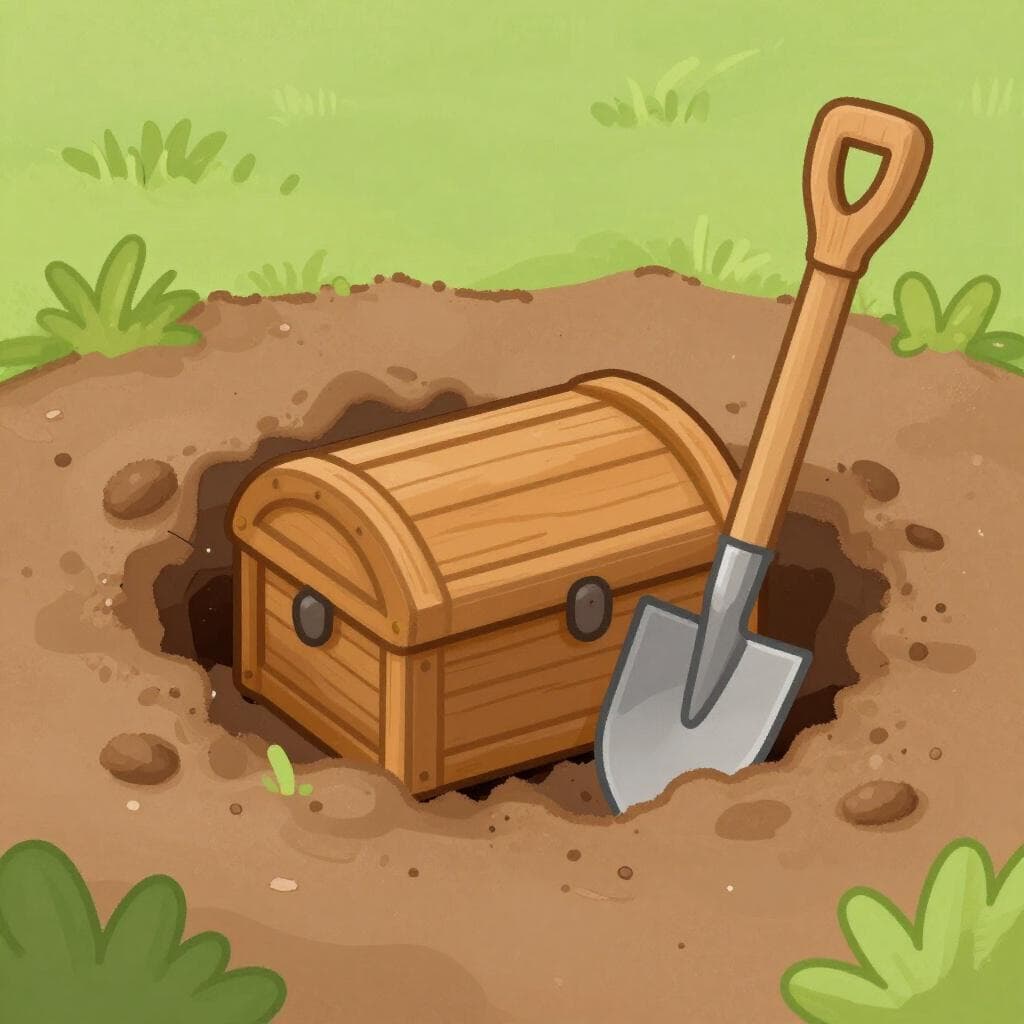
to dig up, to unearth
Also: to exhume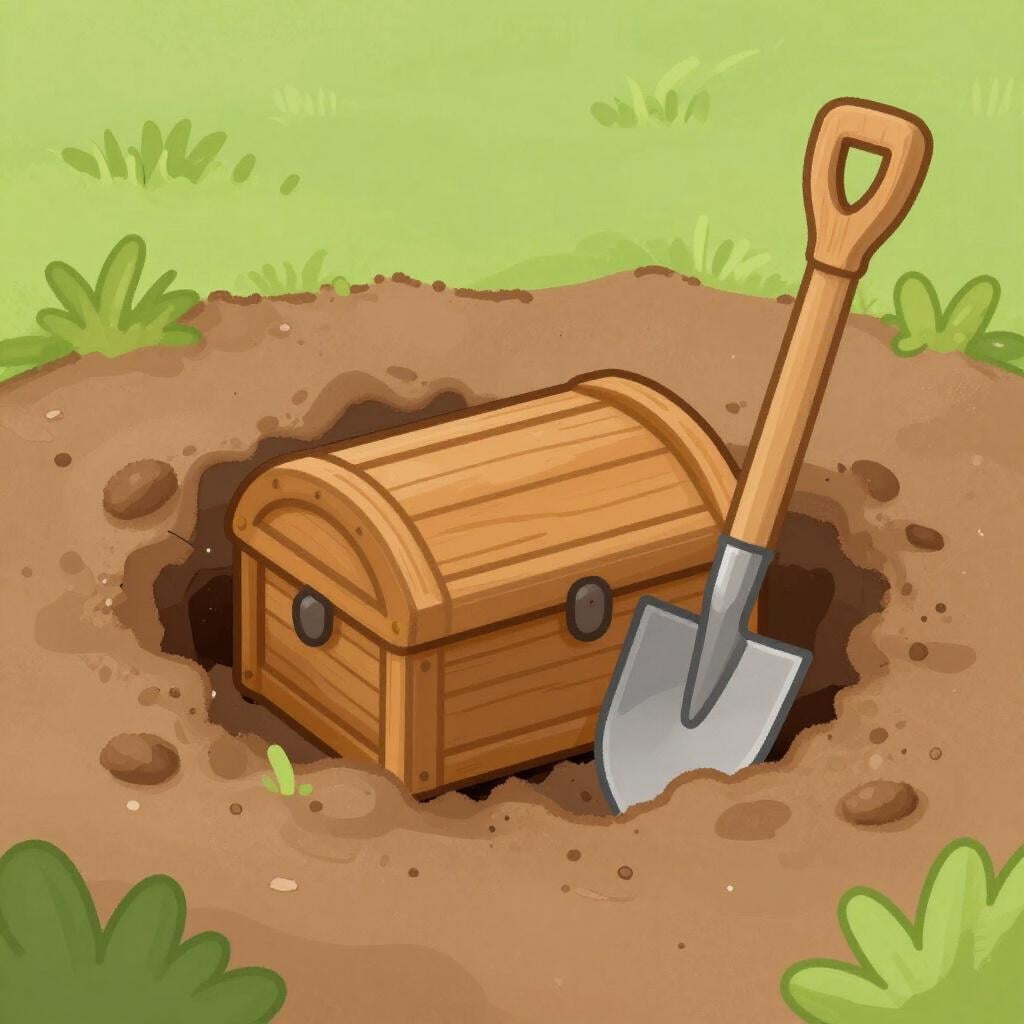
📝 In Action
El perro desenterró un hueso viejo en el jardín.
A2The dog dug up an old bone in the garden.
Los arqueólogos desenterraron una ciudad perdida.
B1The archaeologists unearthed a lost city.
Tuvieron que desenterrar los cables para repararlos.
B2They had to dig up the cables to repair them.
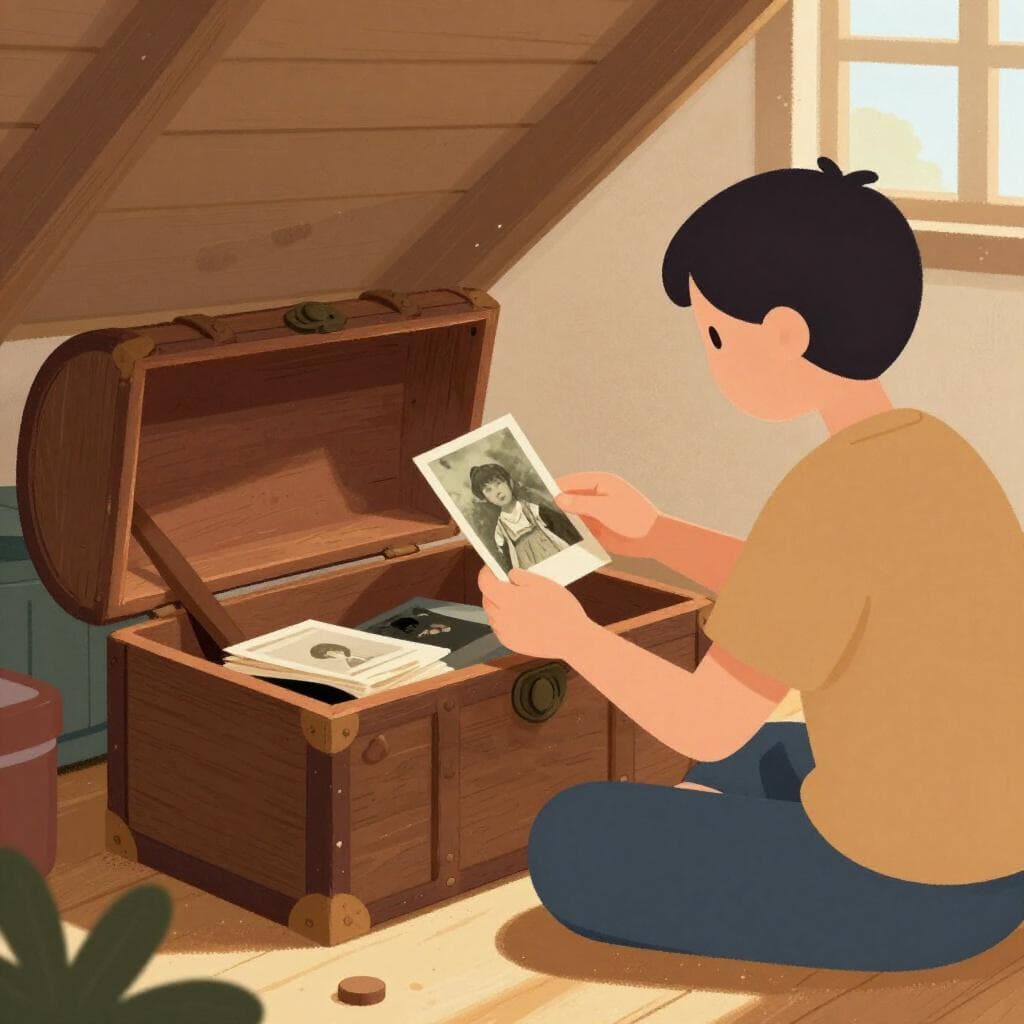
to dig up, to revive
Also: to dredge up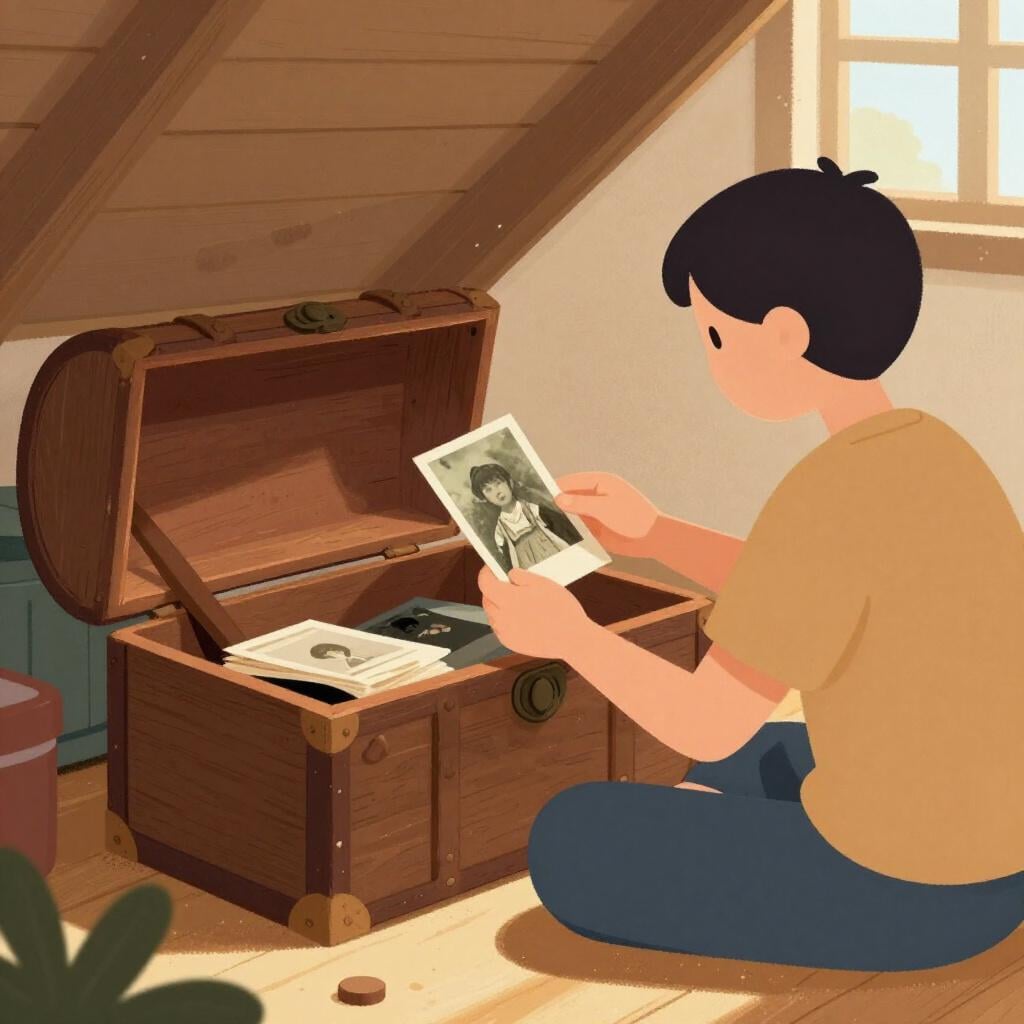
📝 In Action
No es bueno desenterrar el pasado.
B2It is not good to dig up the past.
Ella desenterró un secreto que cambió su vida.
B2She uncovered a secret that changed her life.
Quieren desenterrar una vieja tradición del pueblo.
C1They want to revive an old village tradition.
Subjunctive
Imperfect Subjunctive
Present Subjunctive
Indicative
Preterite
Imperfect
Present
Translate to Spanish
✏️ Quick Practice
Quick Quiz: desenterrar
Question 1 of 3
Which form is the correct 'yo' form in the present tense?
📚 More Resources
👥 Word Family▼
📚 Etymology▼
From the Spanish prefix 'des-' (expressing reversal) combined with 'enterrar' (to bury), which comes from 'en-' (in) and 'tierra' (earth).
First recorded: 13th century
Cognates (Related words)
💡 Master Spanish
Take your Spanish to the next level. Read 200+ illustrated and narrated Spanish stories tailored to your level with the Inklingo app!
Frequently Asked Questions
Does 'desenterrar' always mean something was in dirt?
Not necessarily! While it literally means digging out of the ground, it is very frequently used for uncovering secrets or bringing up old topics that were 'buried' in time.
Is 'desenterrar' formal?
It is neutral. You can use it in a conversation with friends about a dog, or in a scientific paper about archaeology.
How do I remember the stem change?
Think of the word 'tierra' (earth). The 'ie' in 'desentierro' matches the 'ie' in 'tierra'!