excavar
“excavar” means “to dig” in Spanish. It has 2 different meanings depending on context:
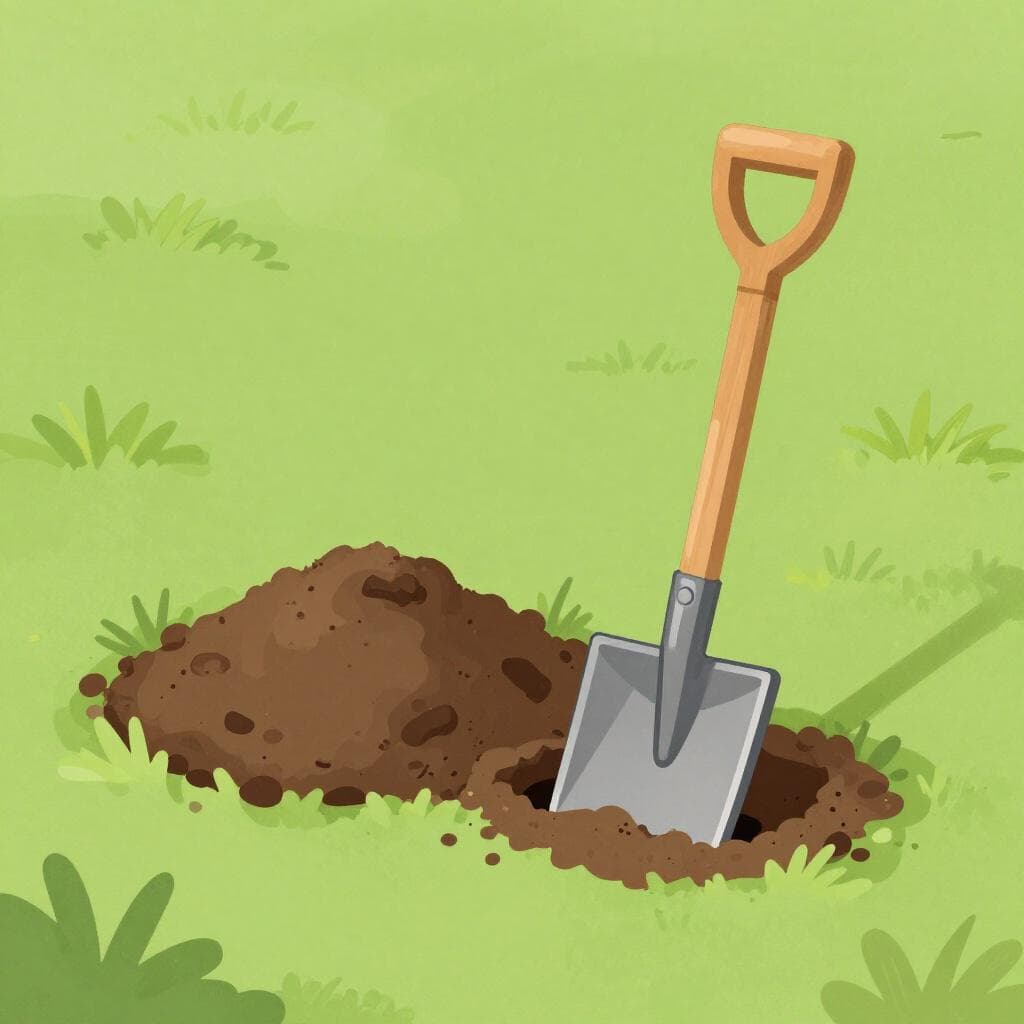

to dig
Also: to excavate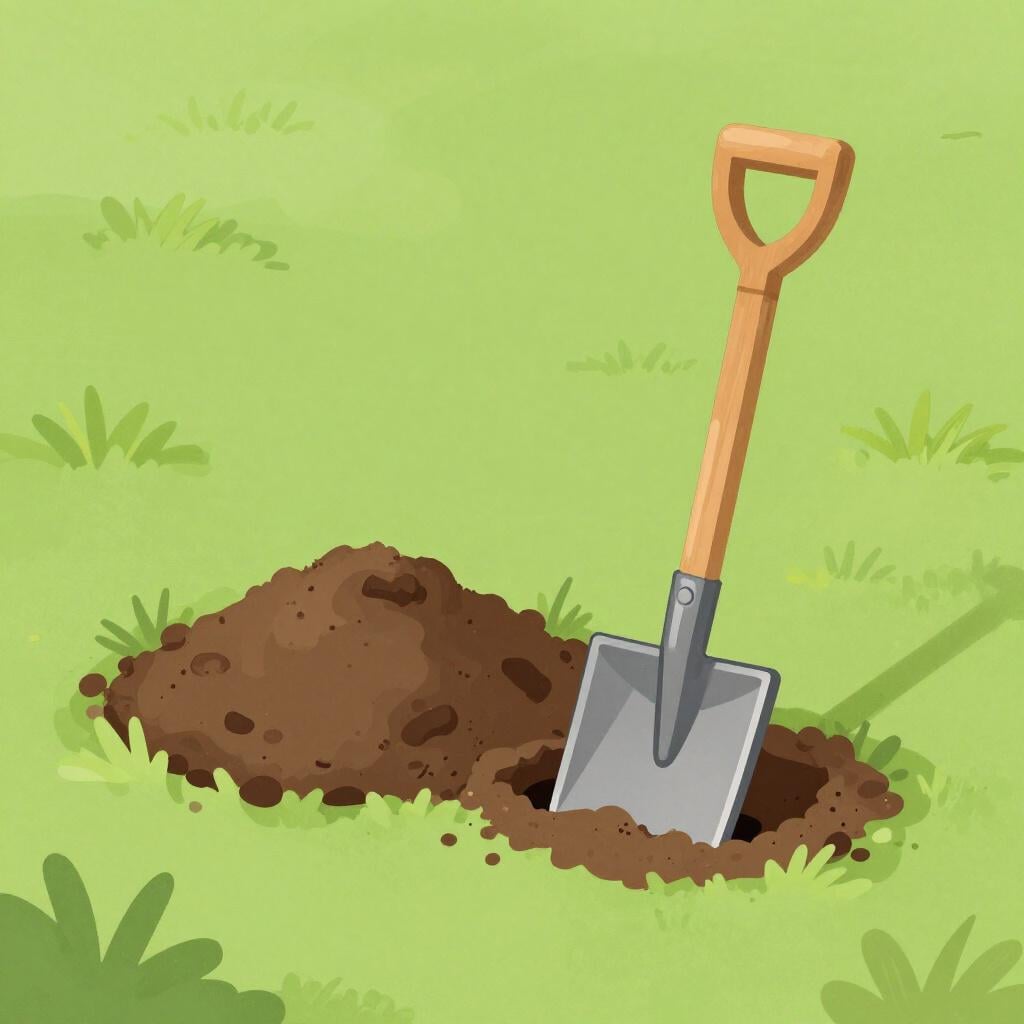
📝 In Action
Los niños quieren excavar un hoyo en la arena de la playa.
A1The children want to dig a hole in the sand at the beach.
Tienes que excavar hondo para plantar este árbol correctamente.
A2You have to dig deep to plant this tree correctly.
La máquina está excavando los cimientos para el nuevo edificio.
B1The machine is digging the foundations for the new building.
to unearth

📝 In Action
Los arqueólogos excavaron una tumba de la época romana.
B2The archaeologists unearthed a tomb from the Roman era.
Subjunctive
Imperfect Subjunctive
Present Subjunctive
Indicative
Preterite
Imperfect
Present
Translate to Spanish
✏️ Quick Practice
Quick Quiz: excavar
Question 1 of 3
Which verb is most common for a child digging in the sand?
📚 More Resources
👥 Word Family▼
📚 Etymology▼
From the Latin word 'excavare', which combines 'ex' (out) and 'cavus' (hollow), literally meaning 'to make hollow'.
First recorded: 13th century
Cognates (Related words)
💡 Master Spanish
Take your Spanish to the next level. Read 200+ illustrated and narrated Spanish stories tailored to your level with the Inklingo app!
Frequently Asked Questions
Is 'excavar' the same as 'cavar'?
They are very similar! 'Cavar' is the everyday word for digging with a shovel or hands. 'Excavar' is slightly more formal and is usually used for construction, archaeology, or when using big machines.
Is 'excavar' an irregular verb?
No, it is a perfectly regular -ar verb. It follows the same patterns as 'hablar' or 'trabajar' in every tense.
Can I use 'excavar' to mean 'to find'?
Not directly. It means the physical act of digging. To say 'to find' while digging, you would use 'desenterrar' (to unearth) or 'encontrar' (to find).