tapar
“tapar” means “to cover” in Spanish. It has 2 different meanings depending on context:
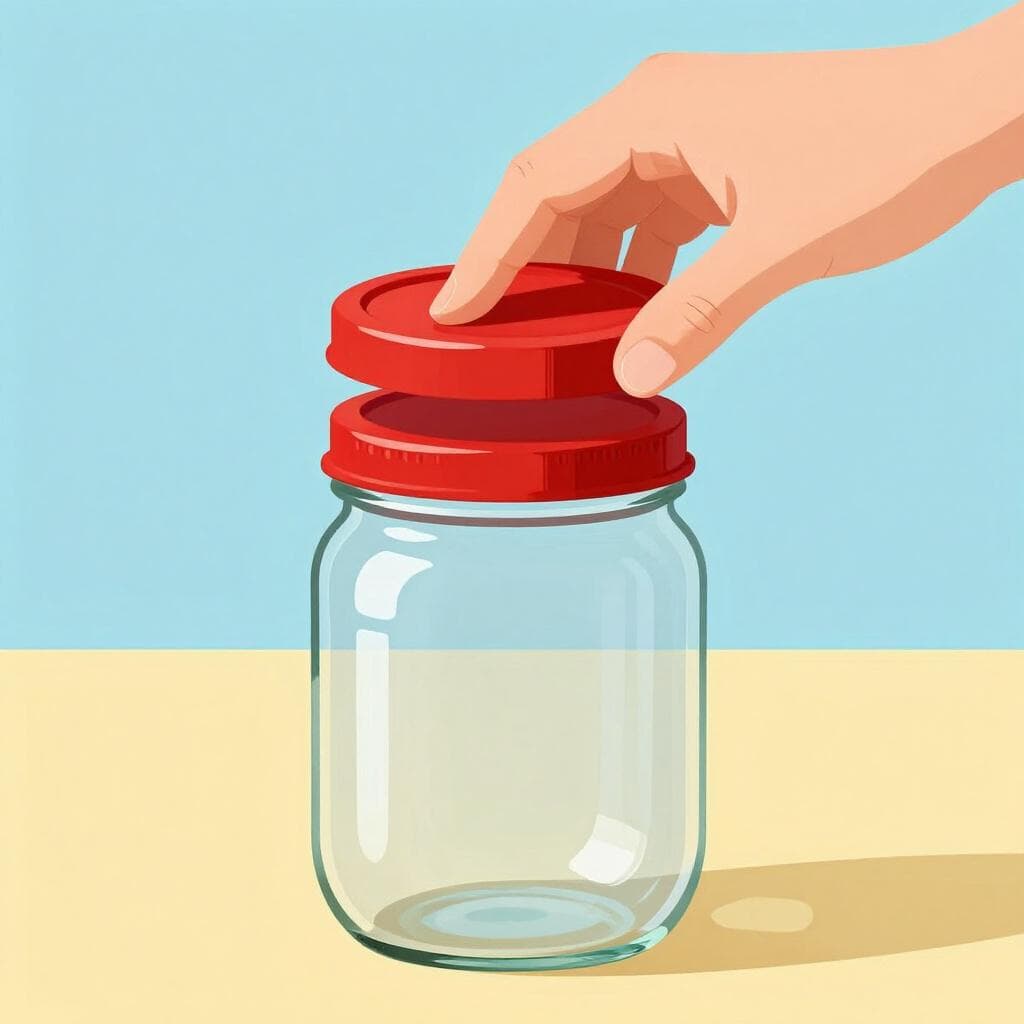

to cover, to put the lid on
Also: to wrap up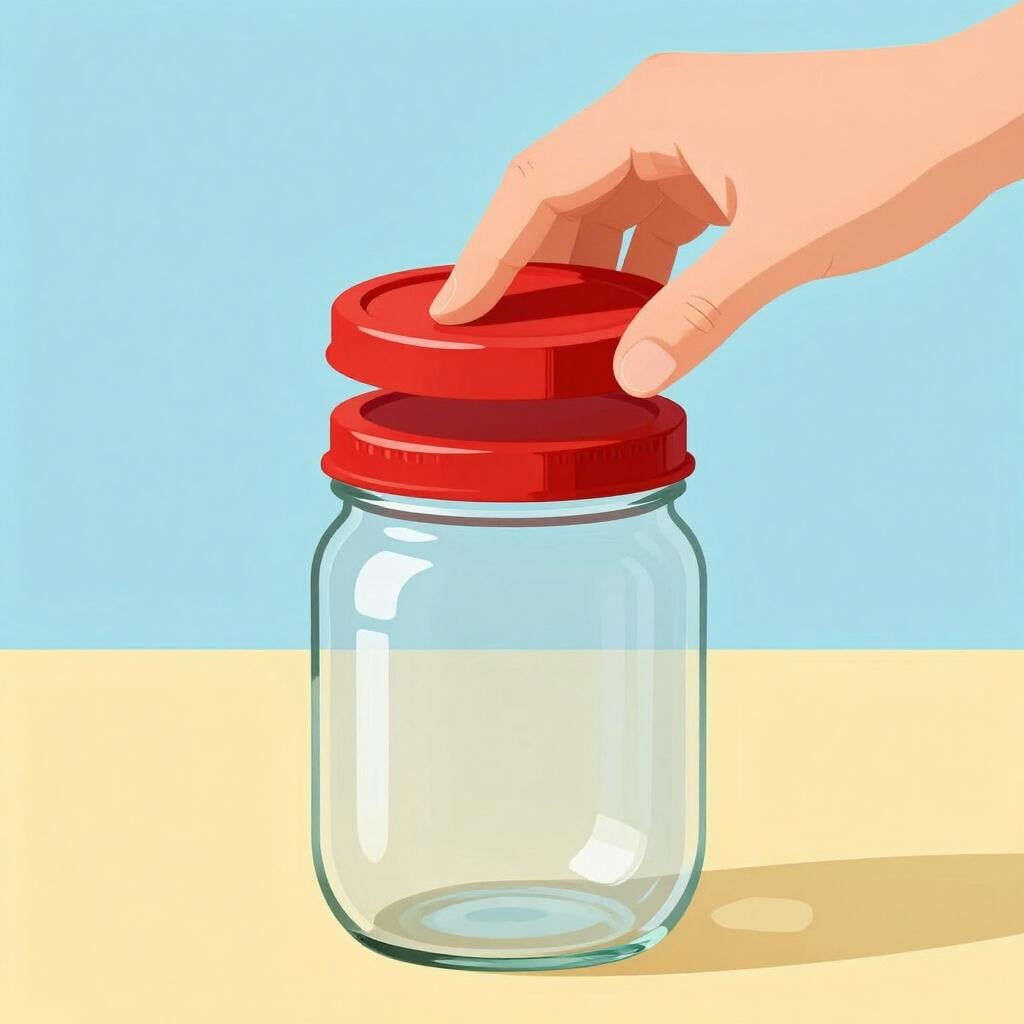
📝 In Action
Por favor, tapa la olla cuando el agua hierva.
A1Please, put the lid on the pot when the water boils.
Hace frío, así que me voy a tapar con esta manta.
A1It's cold, so I'm going to cover myself with this blanket.
Tápate los ojos, ¡es una sorpresa!
A2Cover your eyes, it's a surprise!
to block, to clog
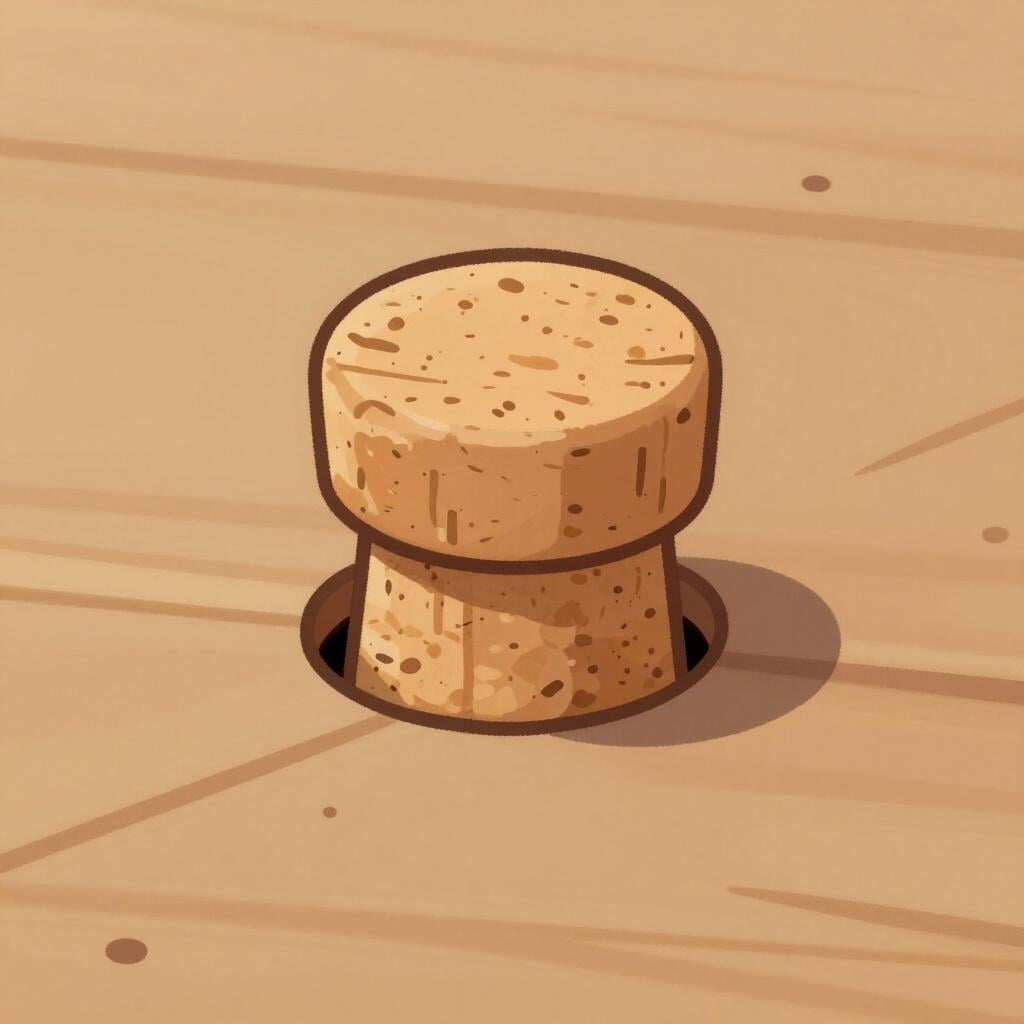
📝 In Action
El fregadero se tapó con los restos de comida.
B1The sink got clogged with food scraps.
Tenemos que tapar ese agujero en la pared.
B1We have to plug that hole in the wall.
La nieve tapó la entrada de la casa.
B2The snow blocked the entrance to the house.
Subjunctive
Imperfect Subjunctive
Present Subjunctive
Indicative
Preterite
Imperfect
Present
✏️ Quick Practice
Quick Quiz: tapar
Question 1 of 3
If you are cold in bed, what should you do?
📚 More Resources
👥 Word Family▼
📚 Etymology▼
From the Gothic word 'tappa', which referred to a plug or a tap used for barrels.
First recorded: 13th century
Cognates (Related words)
💡 Master Spanish
Take your Spanish to the next level. Read 200+ illustrated and narrated Spanish stories tailored to your level with the Inklingo app!
Frequently Asked Questions
Is 'tapar' a regular verb?
Yes! It follows all the standard rules for verbs ending in -ar, making it very easy to conjugate.
What is the difference between 'tapa' and 'tapar'?
'Tapar' is the action (the verb to cover), while 'tapa' is the object (the lid or the snack).
Can 'tapar' be used for secrets?
Yes, you can 'tapar' the truth or a scandal, meaning to cover it up so others don't find out.