How to Say "to clog" in Spanish
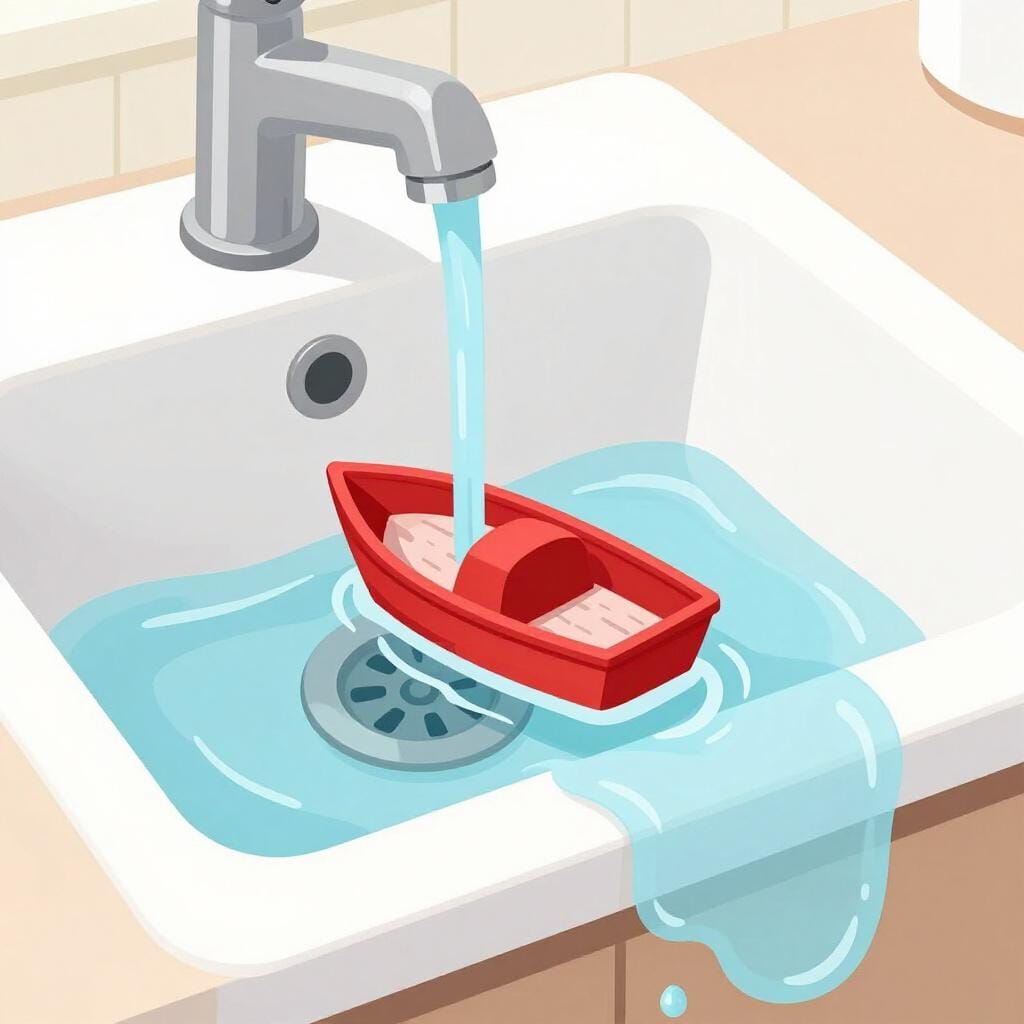
The most common Spanish word for “to clog” is “tapar” — use 'tapar' when a sink, drain, or pipe becomes blocked, often by everyday items like food or debris.

Use 'tapar' when a sink, drain, or pipe becomes blocked, often by everyday items like food or debris.
Learn more →
Use 'obstruir' for blockages in pipes or biological vessels, often implying a more serious or internal obstruction.
Learn more →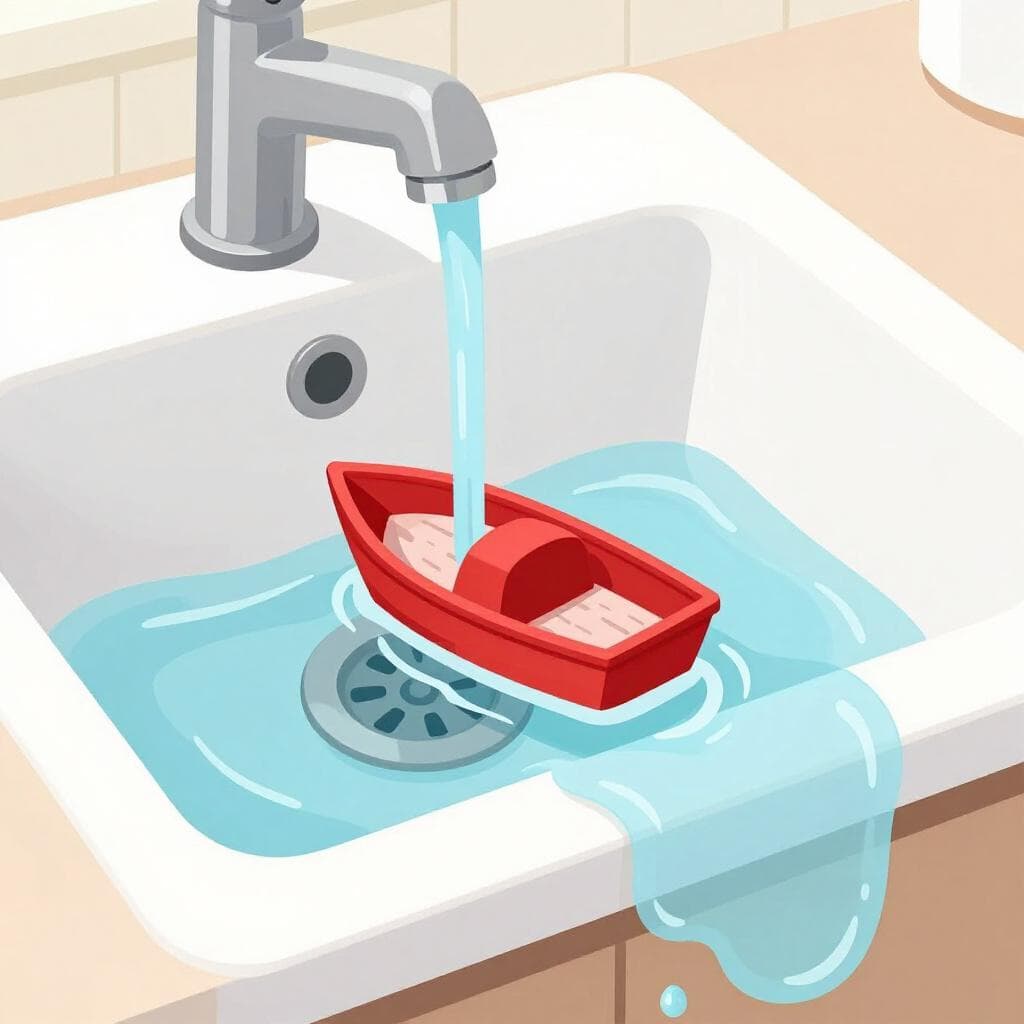
Use 'atorar' when something gets stuck and causes a blockage, particularly in pipes or drains.
Learn more →ta-PARtaˈpaɾ

Examples
El fregadero se tapó con los restos de comida.
The sink got clogged with food scraps.
Tenemos que tapar ese agujero en la pared.
We have to plug that hole in the wall.
La nieve tapó la entrada de la casa.
The snow blocked the entrance to the house.
The 'Accidental' Se
When a drain clogs 'on its own,' we say 'Se tapó'. This makes it sound like an accident rather than something you did on purpose.
Clogged vs. Closed
Mistake: “Saying 'La tubería está cerrada' for a clogged pipe.”
Correction: Use 'La tubería está tapada'. 'Cerrada' means someone turned a valve off; 'tapada' means there is a physical blockage.
obs-troo-eerobs.tɾwiɾ

Examples
La grasa puede obstruir las tuberías de la cocina.
Grease can clog the kitchen pipes.
Un camión volcado está obstruyendo el tráfico en la avenida.
An overturned truck is blocking traffic on the avenue.
El médico dice que una arteria se ha obstruido.
The doctor says an artery has become blocked.
The 'Y' Rule
For verbs like 'obstruir', when the 'u' sound meets another vowel, Spanish adds a 'y' to keep the pronunciation strong. This is why we say 'obstruyo' instead of 'obstruo'.
Spelling Change in the Past
In the past tense (preterite), the 'i' changes to 'y' for 'él/ella/usted' (obstruyó) and 'ellos' (obstruyeron) to avoid having three vowels in a row.
Mixing up Obstruir and Tapar
Mistake: “La tapa obstruye la botella.”
Correction: La tapa tapa la botella. Use 'obstruir' when something is stuck inside or preventing flow, not just for a lid.
ah-toh-RARatoˈɾaɾ
Examples
El exceso de papel atoró la tubería del baño.
Too much paper clogged the bathroom pipe.
Ten cuidado, no atores la fotocopiadora con tantas hojas.
Be careful, don't jam the photocopier with so many sheets.
La nieve atoró la entrada de la cochera.
The snow blocked the garage entrance.
Active vs. Passive Blocking
Use 'atorar' when a specific thing is causing the block (e.g., the paper jammed the printer). If something gets stuck on its own, you'll need the reflexive version 'atorarse'.
Confusing with 'ahogar'
Mistake: “La basura ahogó el fregadero.”
Correction: La basura atoró el fregadero. (Use 'ahogar' for drowning in water or suffocating; use 'atorar' for physical blocks like trash in a drain).
Choosing Between Tapar, Obstruir, and Atorar
Learners often confuse 'tapar' and 'atorar' for common household clogs. While both are valid, 'tapar' is more general for drains and sinks, whereas 'atorar' emphasizes the item getting stuck. 'Obstruir' is broader and can also apply to biological contexts.
Related Translations
Learn Spanish with Inklingo
Interactive stories, personalized learning, and more.