How to Say "to cover" in Spanish
The most common Spanish word for “to cover” is “cubrir” — use 'cubrir' when you are physically placing something on top of another object, reporting on an event, or when a sum of money pays for expenses.

Use 'cubrir' when you are physically placing something on top of another object, reporting on an event, or when a sum of money pays for expenses.
Learn more →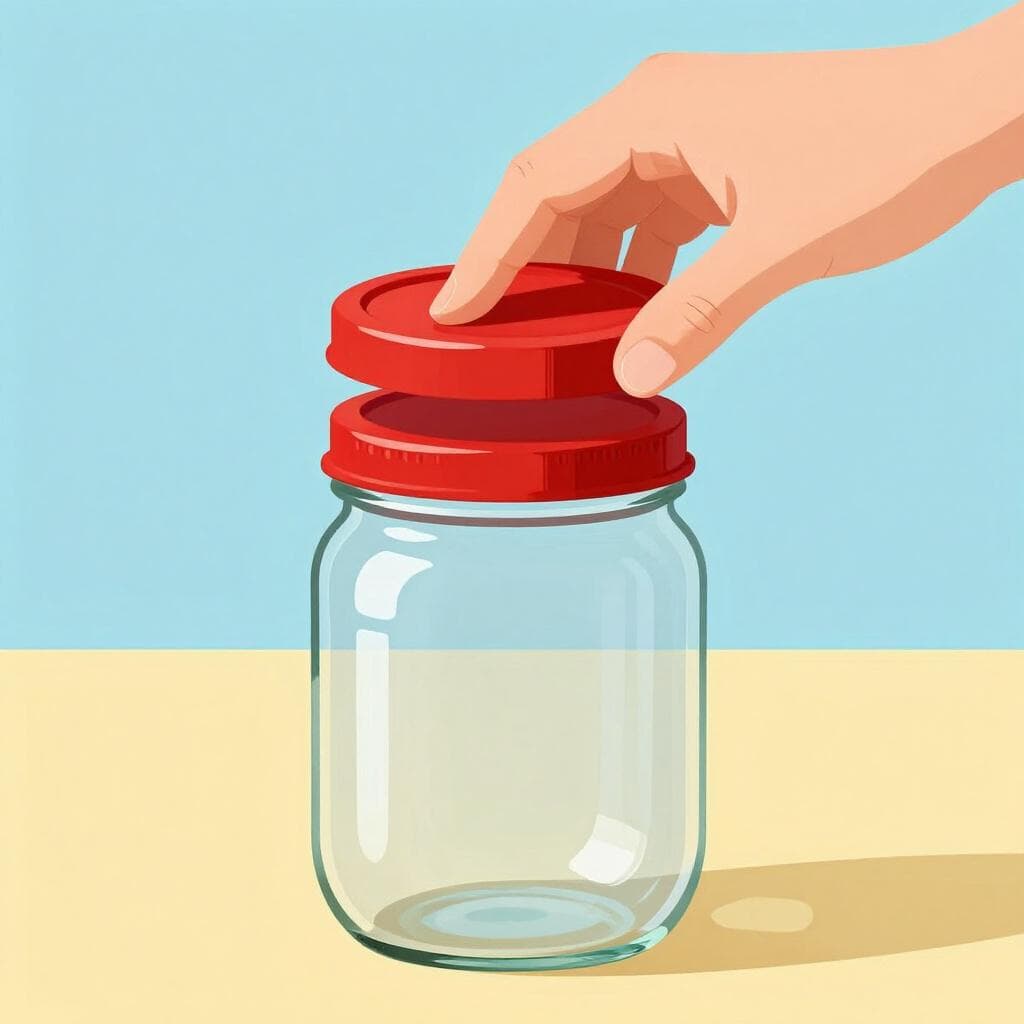
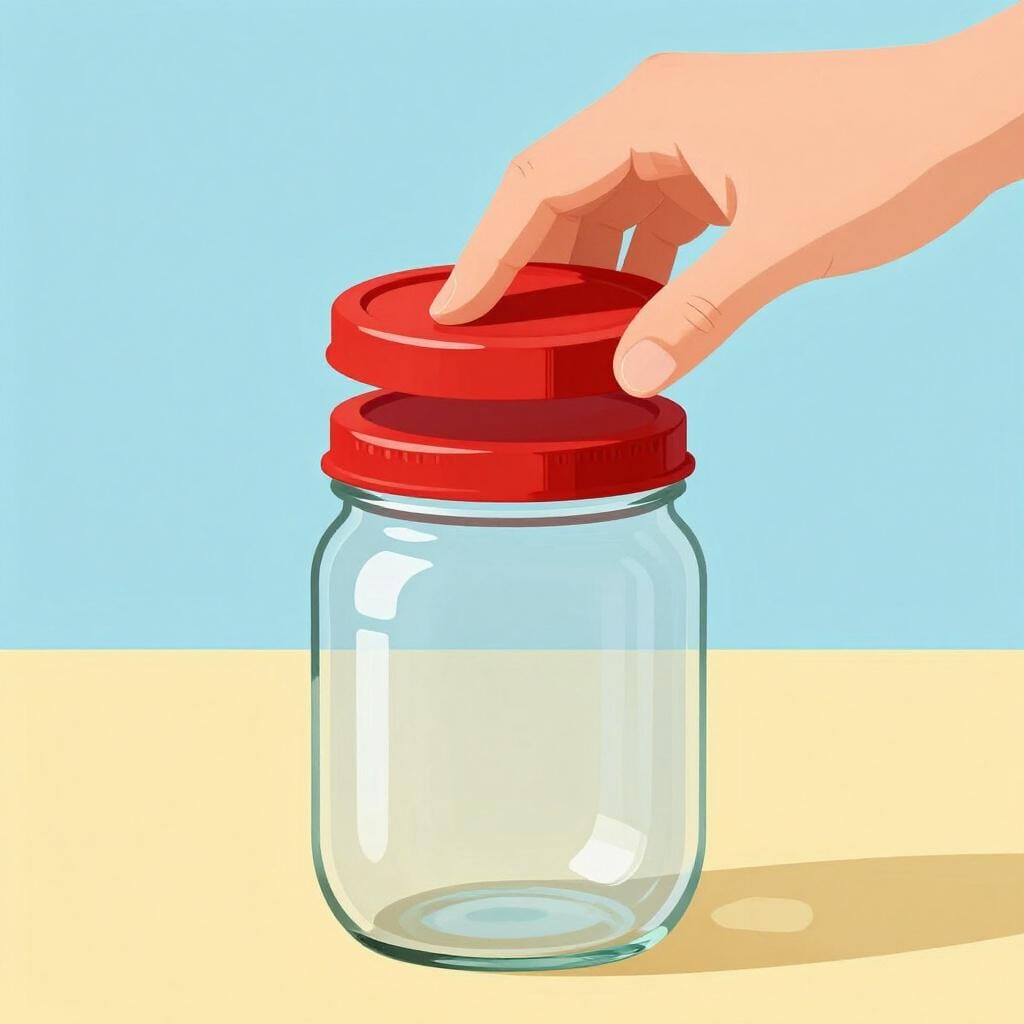
Use 'tapar' specifically to mean putting a lid on something or closing an opening to conceal or protect it.
Learn more →
Use 'abarcar' when something includes or encompasses a wide range of topics, areas, or subjects.
Learn more →
Use 'alcanzar' in the negative sense ('no alcanzar') to mean that an amount of money is not sufficient for a particular need or expense.
Learn more →koo-BREERkuˈβriɾ

Examples
Ella siempre cubre el sofá con una manta para protegerlo.
She always covers the sofa with a blanket to protect it.
La nieve cubrió toda la montaña en una noche.
The snow covered the whole mountain in one night.
Para la pintura, debes cubrir las ventanas con papel.
For painting, you must cover the windows with paper.
El equipo de noticias fue a cubrir las elecciones locales.
The news team went to cover the local elections.
Irregular Past Participle
Even though 'cubrir' is mostly regular, its past participle (the form used with 'haber' or as an adjective) is irregular: 'cubierto', not 'cubrido'. Always remember this exception!
Using 'cubrir' for closing things
Mistake: “Voy a cubrir la botella.”
Correction: Voy a tapar la botella. ('Tapar' is better when referring to putting a lid or stopper on something.)
koo-BREERkuˈβriɾ
Examples
El equipo de noticias fue a cubrir las elecciones locales.
The news team went to cover the local elections.
Ella siempre cubre el sofá con una manta para protegerlo.
She always covers the sofa with a blanket to protect it.
La nieve cubrió toda la montaña en una noche.
The snow covered the whole mountain in one night.
Para la pintura, debes cubrir las ventanas con papel.
For painting, you must cover the windows with paper.
Irregular Past Participle
Even though 'cubrir' is mostly regular, its past participle (the form used with 'haber' or as an adjective) is irregular: 'cubierto', not 'cubrido'. Always remember this exception!
Using 'cubrir' for closing things
Mistake: “Voy a cubrir la botella.”
Correction: Voy a tapar la botella. ('Tapar' is better when referring to putting a lid or stopper on something.)
koo-BREERkuˈβriɾ
Examples
La beca cubre todos los gastos de matrícula.
The scholarship covers all tuition expenses.
Ella siempre cubre el sofá con una manta para protegerlo.
She always covers the sofa with a blanket to protect it.
La nieve cubrió toda la montaña en una noche.
The snow covered the whole mountain in one night.
Para la pintura, debes cubrir las ventanas con papel.
For painting, you must cover the windows with paper.
Irregular Past Participle
Even though 'cubrir' is mostly regular, its past participle (the form used with 'haber' or as an adjective) is irregular: 'cubierto', not 'cubrido'. Always remember this exception!
Using 'cubrir' for closing things
Mistake: “Voy a cubrir la botella.”
Correction: Voy a tapar la botella. ('Tapar' is better when referring to putting a lid or stopper on something.)
ta-PARtaˈpaɾ
Examples
Por favor, tapa la olla cuando el agua hierva.
Please, put the lid on the pot when the water boils.
Hace frío, así que me voy a tapar con esta manta.
It's cold, so I'm going to cover myself with this blanket.
Tápate los ojos, ¡es una sorpresa!
Cover your eyes, it's a surprise!
Using 'se' to cover yourself
When you are covering yourself (like putting on a blanket), use the reflexive form 'taparse'. For example: 'Me tapo' means 'I cover myself.'
Tapar vs. Cubrir
While both mean 'to cover,' 'tapar' is usually about putting a lid on something or blocking a view, while 'cubrir' is more general or refers to covering a surface entirely.
Lids and Tops
Mistake: “Using 'poner el top' for a container.”
Correction: Use the verb 'tapar'. To say 'put the lid on the jar,' just say 'Tapa el frasco'.
ah-bar-KARabaɾˈkaɾ

Examples
El curso abarca desde la historia antigua hasta la moderna.
The course covers everything from ancient to modern history.
Nuestra investigación abarca varios países de Europa.
Our research covers several European countries.
Es un proyecto ambicioso que abarca todas las áreas de la empresa.
It is an ambitious project that encompasses all areas of the company.
Spelling Change Rule
For verbs ending in '-car', the 'c' changes to 'qu' when followed by an 'e'. This happens in the 'yo' form of the past tense (abarqué) and all 'special forms' used for wishes or commands (abarque).
The Spelling Trap
Mistake: “yo abarcé”
Correction: yo abarqué (Spanish uses 'qu' to keep the hard 'k' sound before the letter 'e').
al-kan-SARal.kanˈθaɾ

Examples
Con este dinero no me alcanza para el alquiler.
This money is not enough for the rent.
Si ahorras, quizás te alcance para el viaje.
If you save, maybe you'll have enough for the trip.
Los suministros no alcanzan para todos los refugiados.
The supplies are not sufficient for all the refugees.
Used like 'Gustar'
When meaning 'to be enough,' alcanzar often works like gustar (to like). The thing that is or isn't enough is the subject, and the person who needs it is the indirect object (me, te, le, nos, les).
Cubrir vs. Tapar
Learners often confuse 'cubrir' and 'tapar' when the meaning is about physically placing something over an object. Remember 'tapar' is usually for closing something off completely, like a pot with a lid, while 'cubrir' can be more general, like putting a blanket over a sofa.
Related Translations
Learn Spanish with Inklingo
Interactive stories, personalized learning, and more.