cubrir
“cubrir” means “to cover” in Spanish. It has 4 different meanings depending on context:


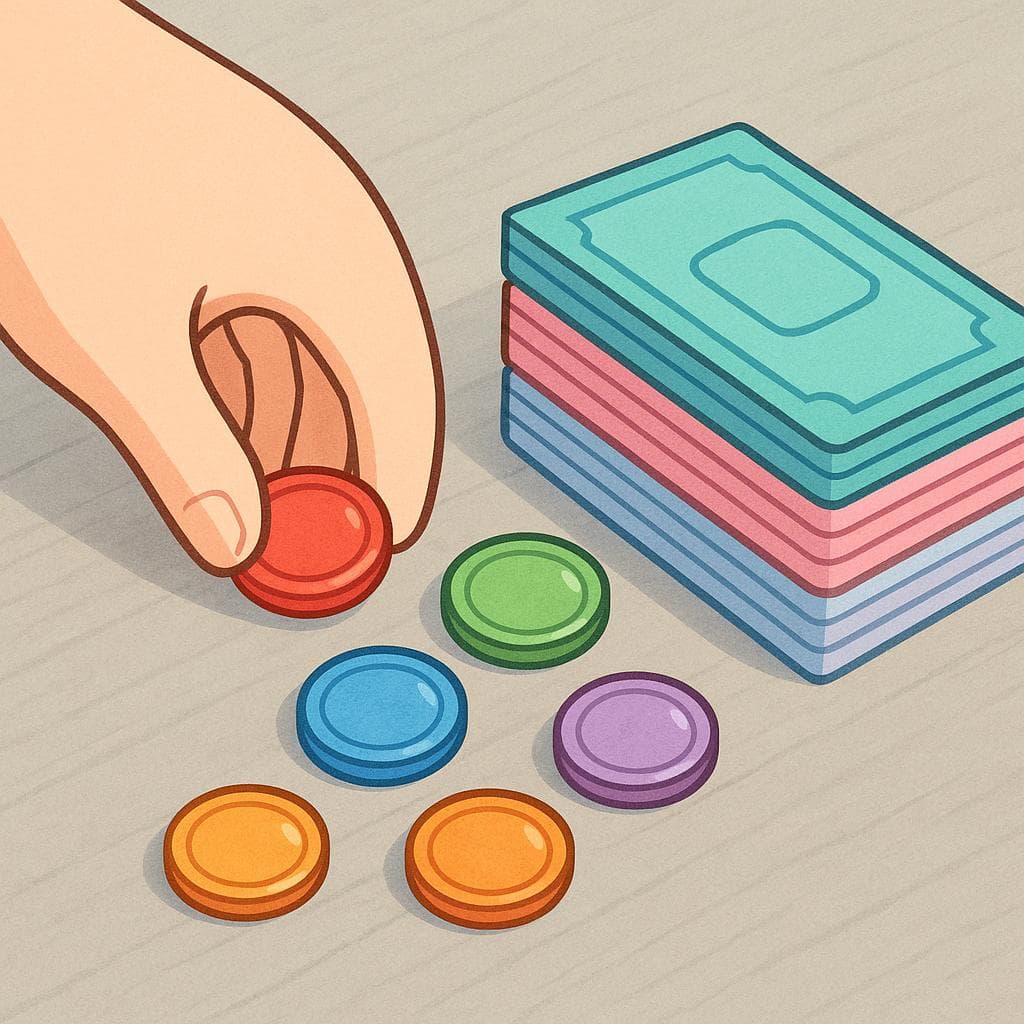

to coverAlso: to hide, to spread over

📝 In Action
Ella siempre cubre el sofá con una manta para protegerlo.
A1She always covers the sofa with a blanket to protect it.
La nieve cubrió toda la montaña en una noche.
A2The snow covered the whole mountain in one night.
Para la pintura, debes cubrir las ventanas con papel.
B1For painting, you must cover the windows with paper.
Word Connections
to coverAlso: to report on, to document

📝 In Action
El equipo de noticias fue a cubrir las elecciones locales.
B1The news team went to cover the local elections.
Este periódico no cubrió el escándalo político.
B2This newspaper did not cover the political scandal.
Word Connections
to cover, to fillAlso: to make up for, to meet

📝 In Action
La beca cubre todos los gastos de matrícula.
B2The scholarship covers all tuition expenses.
Necesitamos un empleado nuevo para cubrir el puesto de gerente.
B2We need a new employee to fill the manager position.
Ella tuvo que cubrir el turno de su compañero enfermo.
C1She had to cover her sick colleague's shift.
Word Connections
to cover oneselfAlso: to wrap up, to take shelter

📝 In Action
Cúbrete la boca al toser, por favor.
A2Cover your mouth when coughing, please.
Si va a llover, cúbranse con los paraguas.
B1If it is going to rain, cover yourselves with umbrellas.
Word Connections
Indicative
Present
Imperfect
Preterite
Subjunctive
Present Subjunctive
Imperfect Subjunctive
Translate to Spanish
Words that translate to "cubrir" in Spanish:
✏️ Quick Practice
Quick Quiz: cubrir
Question 1 of 2
Which sentence uses 'cubrir' in its financial sense?
📚 More Resources
👥 Word Family
📚 Etymology
The word comes directly from the Latin *cooperīre*, meaning 'to completely cover, overwhelm.' The prefix *co-* emphasizes the thoroughness of the action.
First recorded: Early Romance Languages (before 13th century)
Cognates (Related words)
💡 Master Spanish
Take your Spanish to the next level. Read 200+ illustrated and narrated Spanish stories tailored to your level with the Inklingo app!
Frequently Asked Questions
What is the difference between 'cubrir' and 'tapar'?
'Cubrir' is generally used for spreading a large item over something (like a blanket over a bed or snow over a mountain). 'Tapar' usually means to close something with a lid, cork, or stopper (like a bottle or a jar).
How do I use 'cubierto' as an adjective?
'Cubierto' acts like any adjective, matching the noun's gender and number. For example: 'La mesa está cubierta' (The table is covered, feminine singular) or 'Los gastos están cubiertos' (The expenses are covered, masculine plural).