cubierto
“cubierto” means “covered” in Spanish. It has 3 different meanings depending on context:

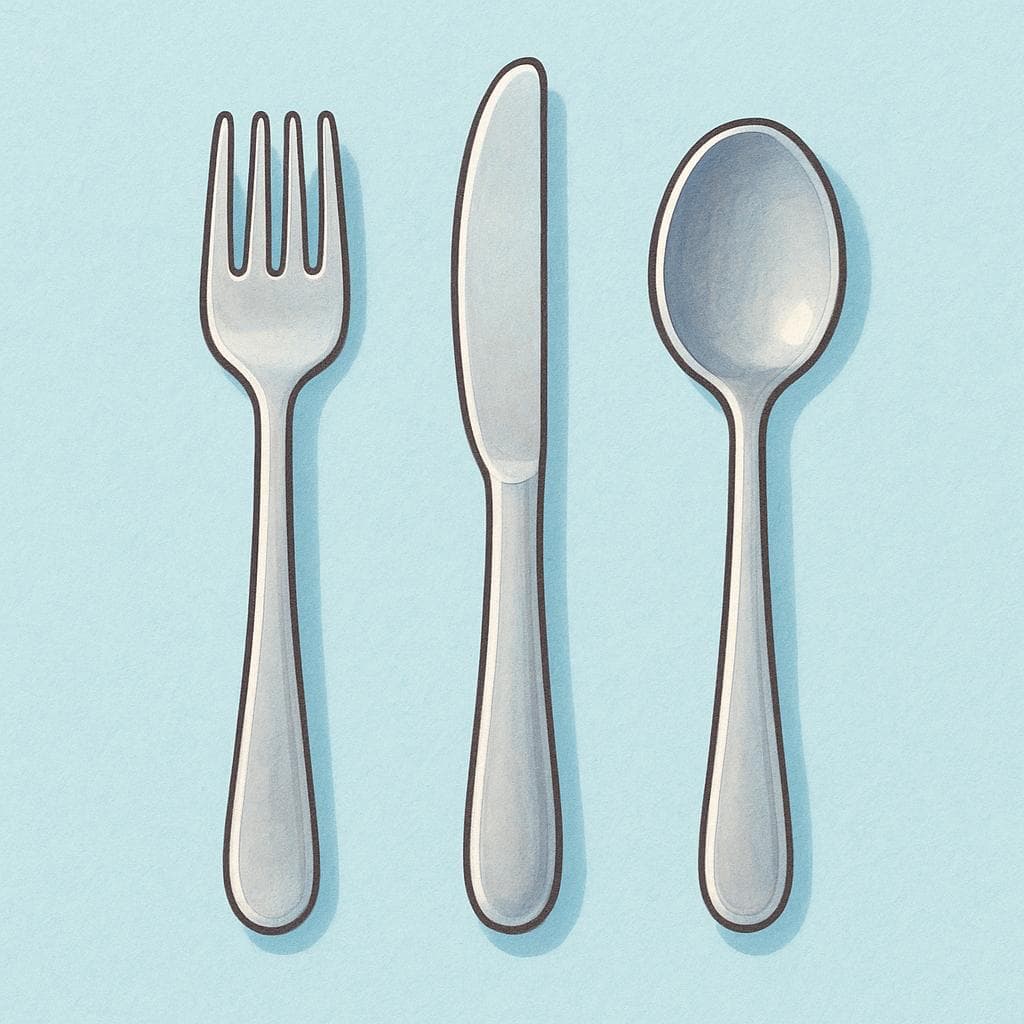

covered, cloudyAlso: protected, filled

📝 In Action
La mesa del jardín estaba cubierta por una lona.
A2The garden table was covered by a tarp.
Hoy el cielo está cubierto, parece que va a llover.
B1Today the sky is cloudy, it looks like it's going to rain.
Hemos cubierto todos los gastos del viaje.
B2We have covered all the expenses of the trip.
Word Connections
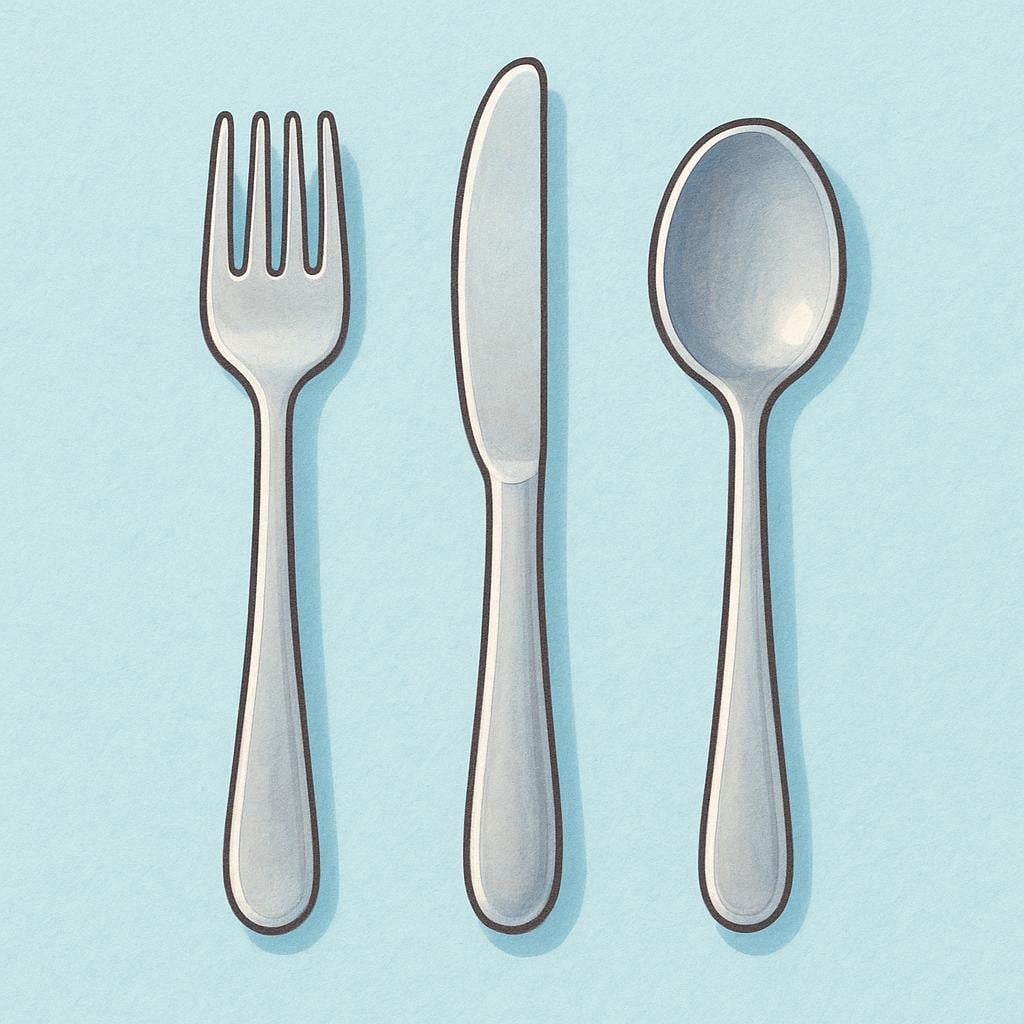
cutleryAlso: silverware, place setting
📝 In Action
Por favor, ¿me trae un cubierto limpio?
A1Please, could you bring me a clean set of cutlery?
Necesitamos poner cuatro cubiertos más en la mesa.
A2We need to put four more place settings on the table.
Word Connections
cover chargeAlso: service charge

📝 In Action
El restaurante cobra un cubierto de dos euros por persona.
B1The restaurant charges a cover fee of two euros per person.
En la factura se incluye el cubierto y el pan.
B2The bill includes the service charge and the bread.
Word Connections
Translate to Spanish
Words that translate to "cubierto" in Spanish:
✏️ Quick Practice
Quick Quiz: cubierto
Question 1 of 2
¿Cuál es el significado de 'cubierto' en la frase: 'El mesero olvidó un cubierto'?
📚 More Resources
👥 Word Family
📚 Etymology
Comes from the Latin verb *cooperīre*, meaning 'to cover completely.' The noun meaning for 'cutlery' evolved because the utensils are used to set or 'cover' the table.
First recorded: Around the 13th century in reference to covering/protection.
Cognates (Related words)
💡 Master Spanish
Take your Spanish to the next level. Read 200+ illustrated and narrated Spanish stories tailored to your level with the Inklingo app!
Frequently Asked Questions
Is 'cubierto' regular or irregular?
The base verb, 'cubrir' (to cover), is regular in most tenses, but its past participle form is irregular. Instead of the expected *cubrido*, it uses 'cubierto.' That's why you see 'he cubierto' (I have covered).
How do I know if 'cubierto' means cutlery or cloudy?
Check the context! If you see 'el cubierto' (masculine noun) used with food or money, it means cutlery or a service fee. If you see 'el cielo está cubierto,' it describes the weather (cloudy).