cubierta
“cubierta” means “cover” in Spanish. It has 4 different meanings depending on context:

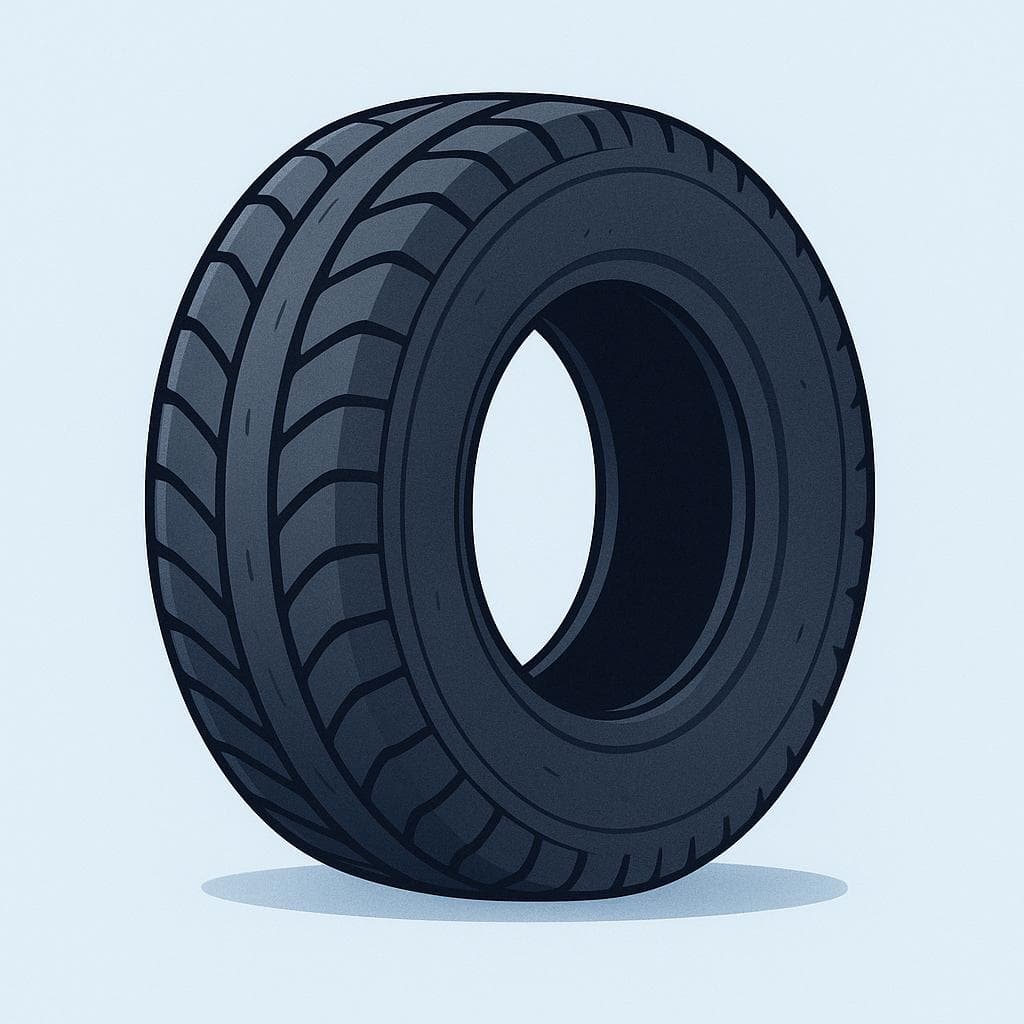


cover, roofAlso: jacket, wrapping

📝 In Action
La cubierta del libro está dañada.
A2The cover of the book is damaged.
Pusieron una cubierta de lona sobre el coche para protegerlo.
B1They put a canvas cover over the car to protect it.
Word Connections
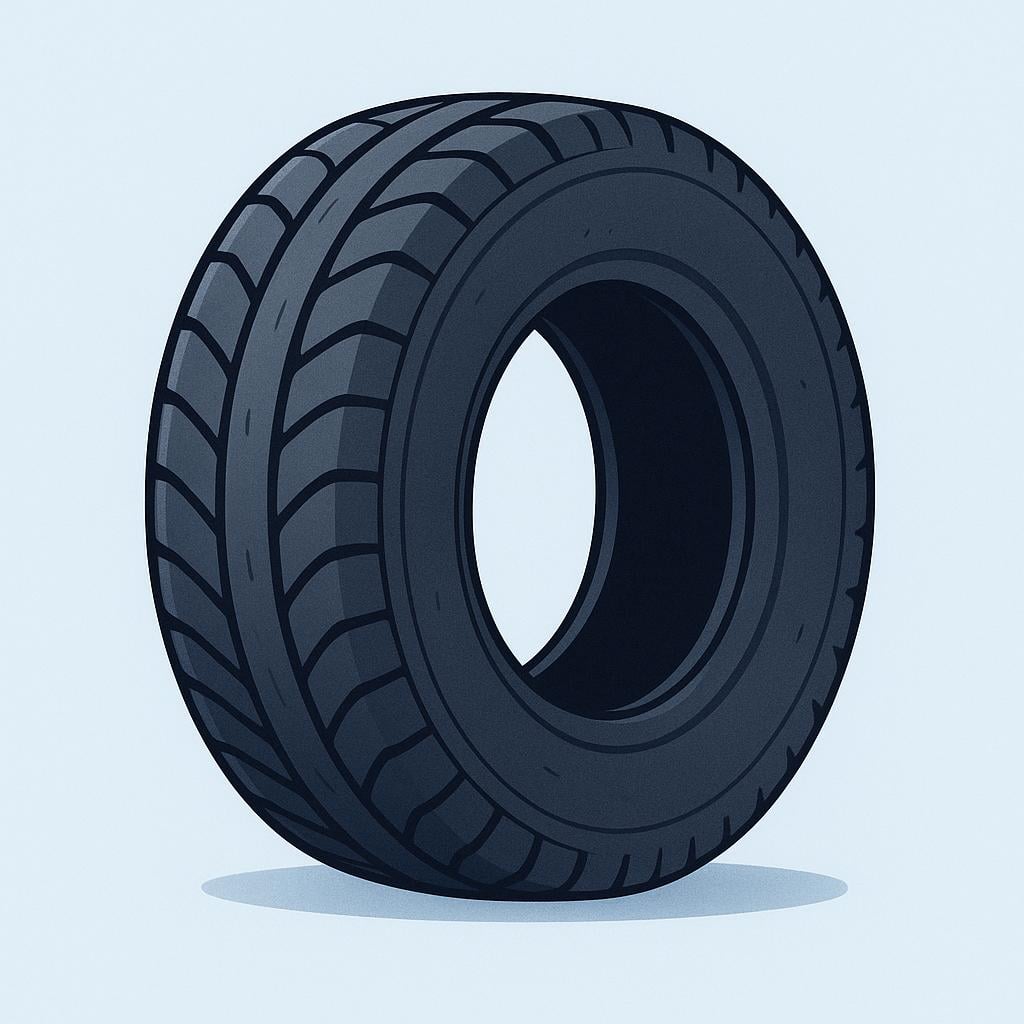
tire, tyre
📝 In Action
Una de las cubiertas está pinchada.
B1One of the tires is flat.
Debemos revisar la presión de las cubiertas.
B1We must check the tire pressure.
Word Connections
deck

📝 In Action
Salimos a la cubierta superior para ver el atardecer.
B2We went out onto the upper deck to watch the sunset.
La tripulación limpió la cubierta después de la tormenta.
C1The crew cleaned the deck after the storm.
Word Connections
coveredAlso: hidden, protected

📝 In Action
La mesa estaba cubierta con un mantel blanco.
A1The table was covered with a white tablecloth.
La zona de picnic está cubierta, así que podemos comer aunque llueva.
A2The picnic area is covered, so we can eat even if it rains.
Word Connections
Translate to Spanish
✏️ Quick Practice
Quick Quiz: cubierta
Question 1 of 2
Which meaning of 'cubierta' is used in the following sentence: 'Compramos una cubierta nueva para el coche.'
📚 More Resources
👥 Word Family
📚 Etymology
Comes directly from the Latin word *cooperta*, which was the feminine past participle of the verb *cooperire*, meaning 'to cover completely.'
First recorded: 13th century
Cognates (Related words)
💡 Master Spanish
Take your Spanish to the next level. Read 200+ illustrated and narrated Spanish stories tailored to your level with the Inklingo app!
Frequently Asked Questions
Is 'cubierta' the same as 'neumático'?
Yes, they both mean 'tire' or 'tyre.' 'Neumático' is the more common technical term in Spain, while 'cubierta' is very frequent and standard in many parts of Latin America, like Argentina and Uruguay.
How can I tell if 'cubierta' is a noun or an adjective?
If it is used with 'la' or 'una' (La cubierta es...), it's a noun (a thing, like a cover or a tire). If it's used after a form of 'ser' or 'estar' and describes another feminine noun (La mesa está cubierta), it's the adjective meaning 'covered'.