rueda
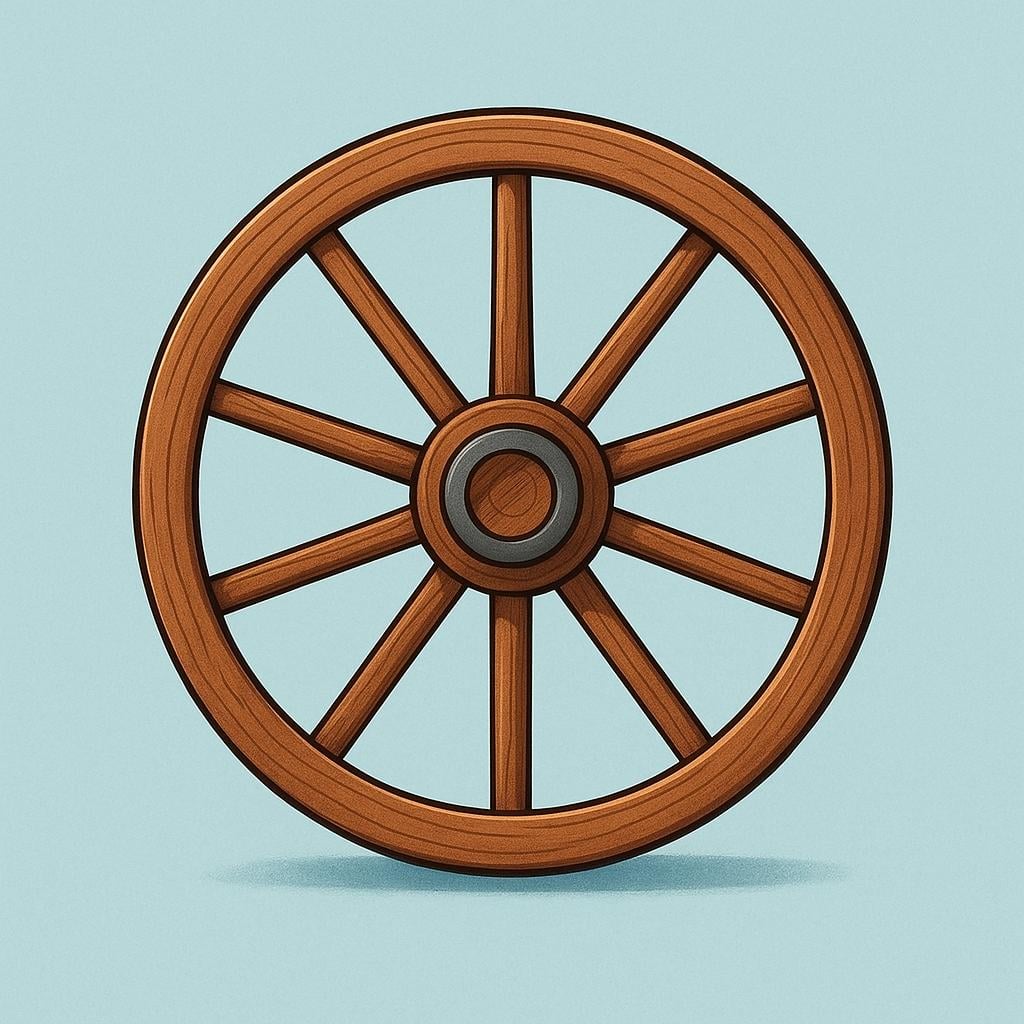
“rueda” means “wheel” in Spanish. It has 3 different meanings depending on context:
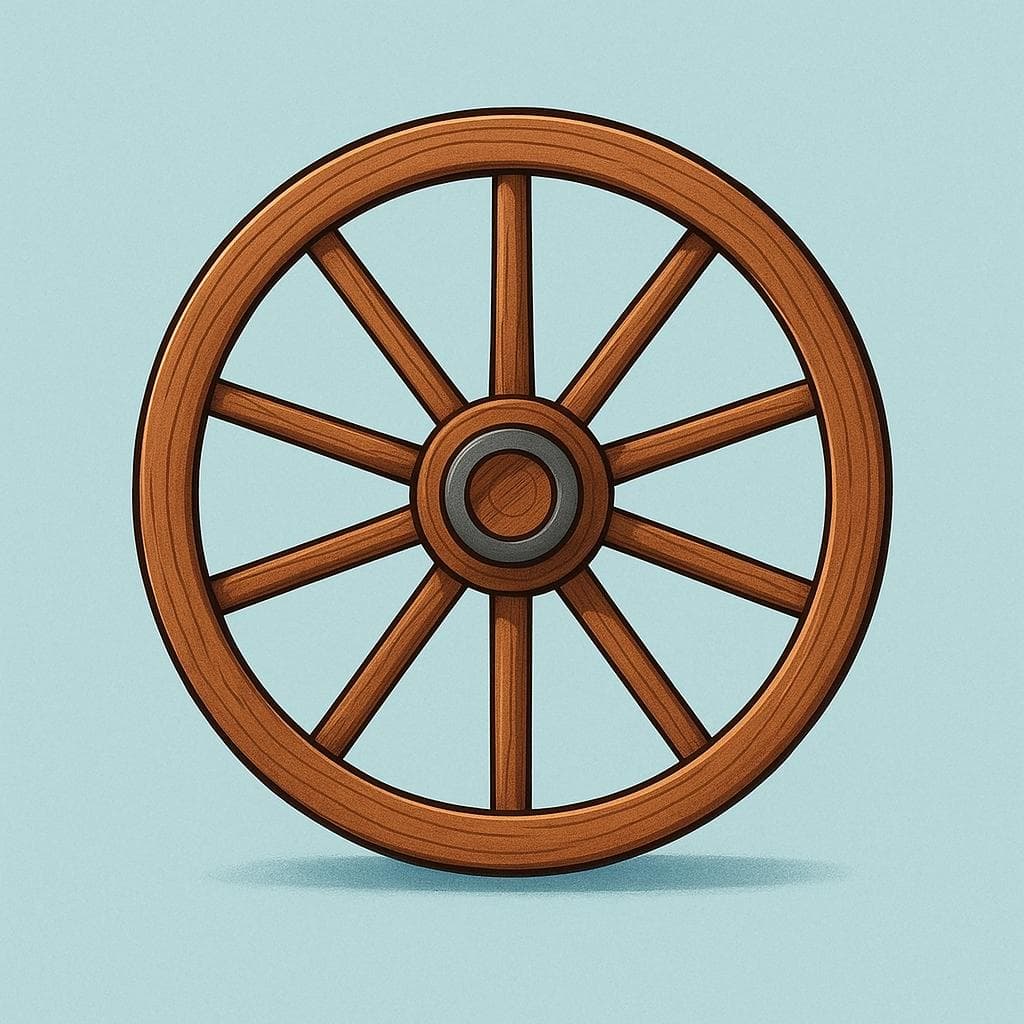
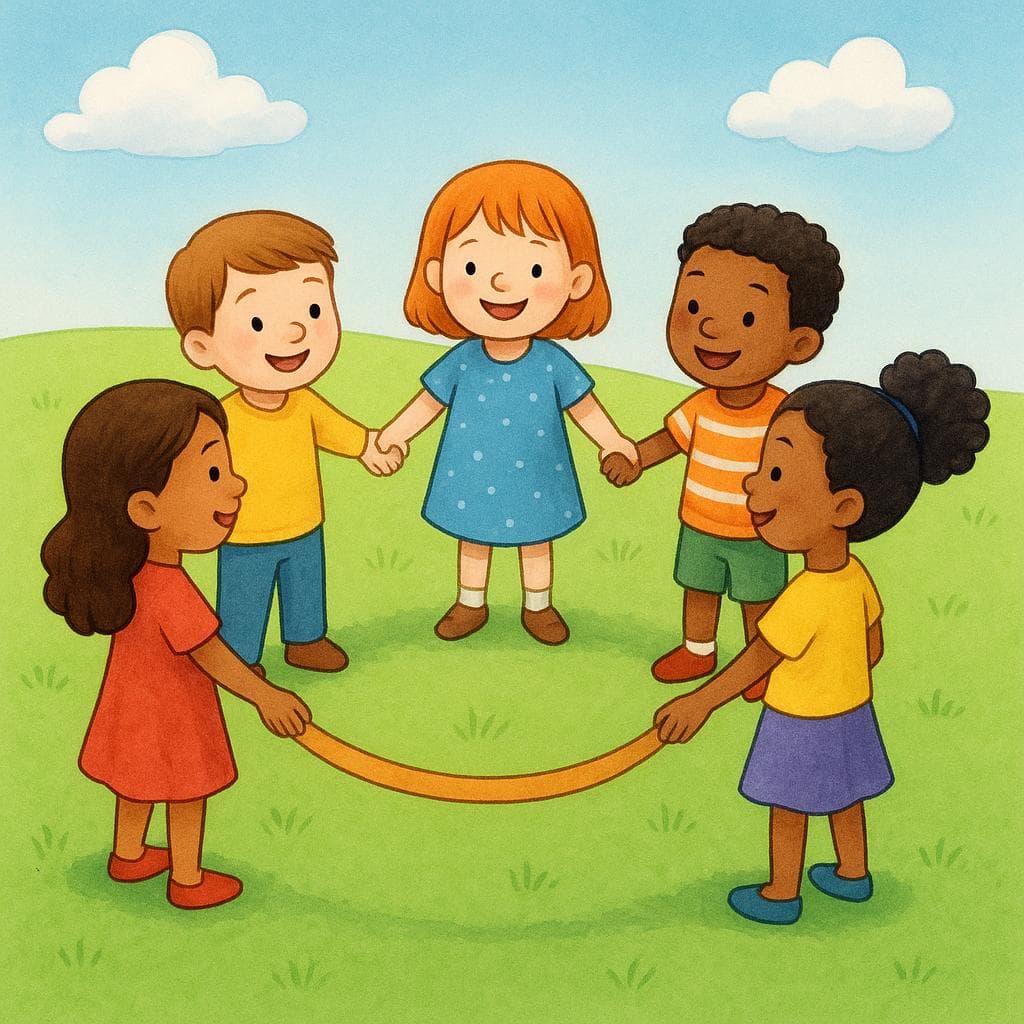
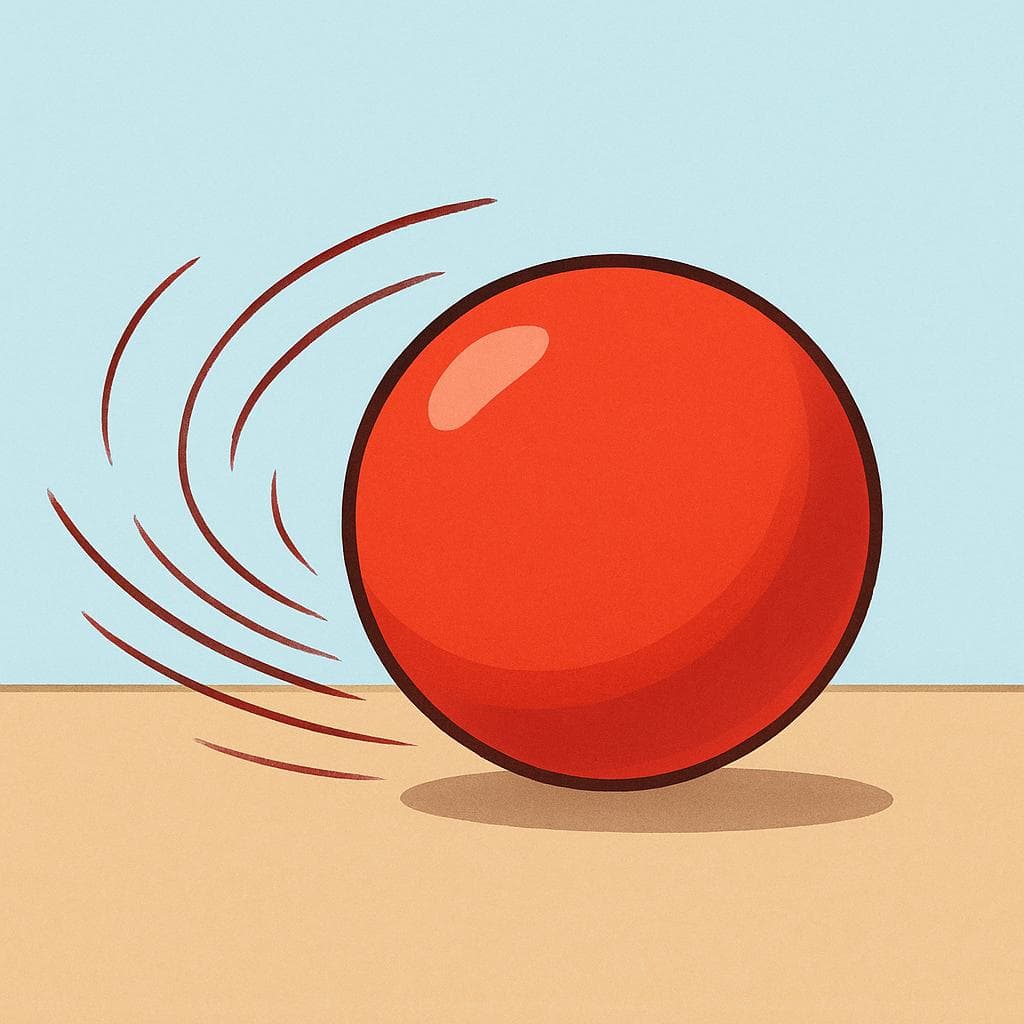
wheelAlso: tire, gear
📝 In Action
Se me pinchó una rueda en la autopista.
A2I got a flat tire on the highway.
Las ruedas de mi bicicleta son nuevas.
A1The wheels on my bicycle are new.
La rueda de repuesto está en el maletero.
A2The spare wheel is in the trunk.
Word Connections
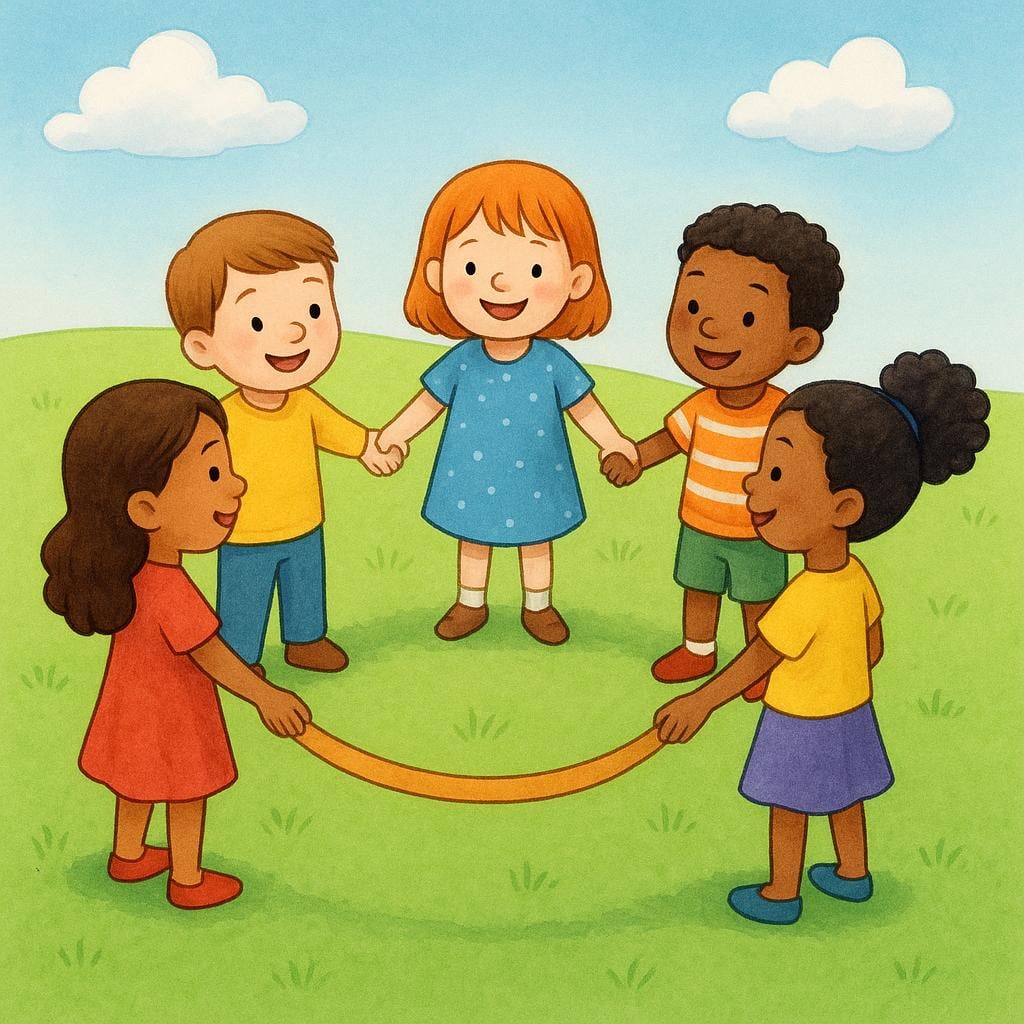
circle, roundAlso: turn, group
📝 In Action
El periodista preguntó en la rueda de prensa.
B1The journalist asked a question at the press conference (circle of press).
Hicimos una rueda para discutir el proyecto.
B1We formed a circle/group to discuss the project.
¡Invito yo la próxima rueda de cervezas!
B2I'll buy the next round of beers!
Word Connections
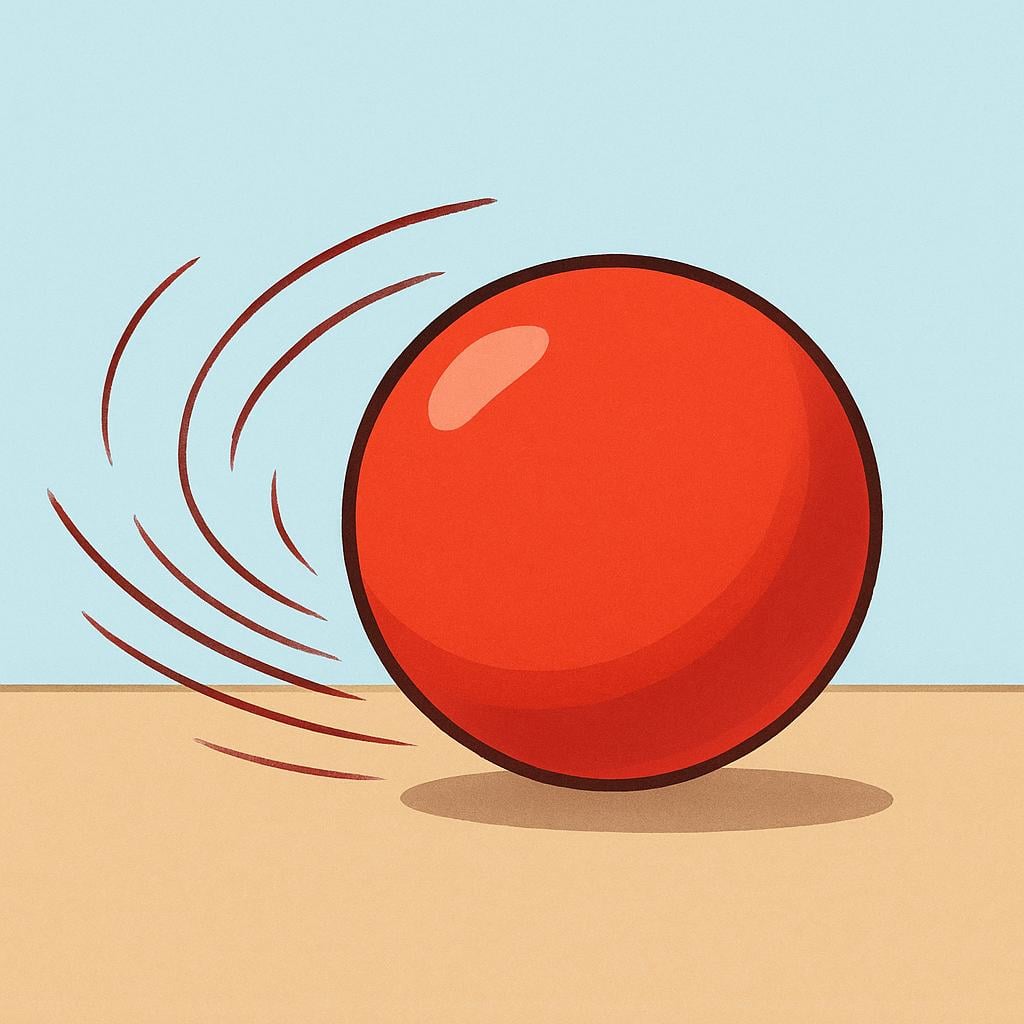
he/she/it rolls, you roll (formal)Also: it is filmed
📝 In Action
La piedra rueda colina abajo rápidamente.
A2The stone rolls down the hill quickly.
La película rueda en exteriores toda la semana.
B1The movie is filming outdoors all week.
¡Rueda la cámara, por favor!
B2Roll the camera, please! (Formal command)
Word Connections
Indicative
Present
Imperfect
Preterite
Subjunctive
Present Subjunctive
Imperfect Subjunctive
✏️ Quick Practice
Quick Quiz: rueda
Question 1 of 2
Which sentence uses 'rueda' as a verb?
📚 More Resources
👥 Word Family
🎵 Rhymes
📚 Etymology
Comes from the Latin word *rota*, which meant 'wheel.' This ancient connection explains why 'rueda' is used both for the physical object and for things that spin or form a circle.
First recorded: 10th century
Cognates (Related words)
💡 Master Spanish
Take your Spanish to the next level. Read 200+ illustrated and narrated Spanish stories tailored to your level with the Inklingo app!
Frequently Asked Questions
Is 'rueda' the same as 'llanta'?
Not exactly, but they are often used interchangeably! Technically, 'rueda' is the whole wheel assembly (rim and tire), while 'llanta' refers specifically to the metal rim. However, in many places, people use 'llanta' to mean 'tire' (the whole thing) as well.
How do I know if 'rueda' means the noun or the verb?
Look at the words around it. If it follows an article (like 'la' or 'una'), it's the noun ('the wheel'). If it follows a subject (like 'él' or 'ella') or is part of a command, it's the conjugated verb form ('he/she rolls').