How to Say "to block" in Spanish
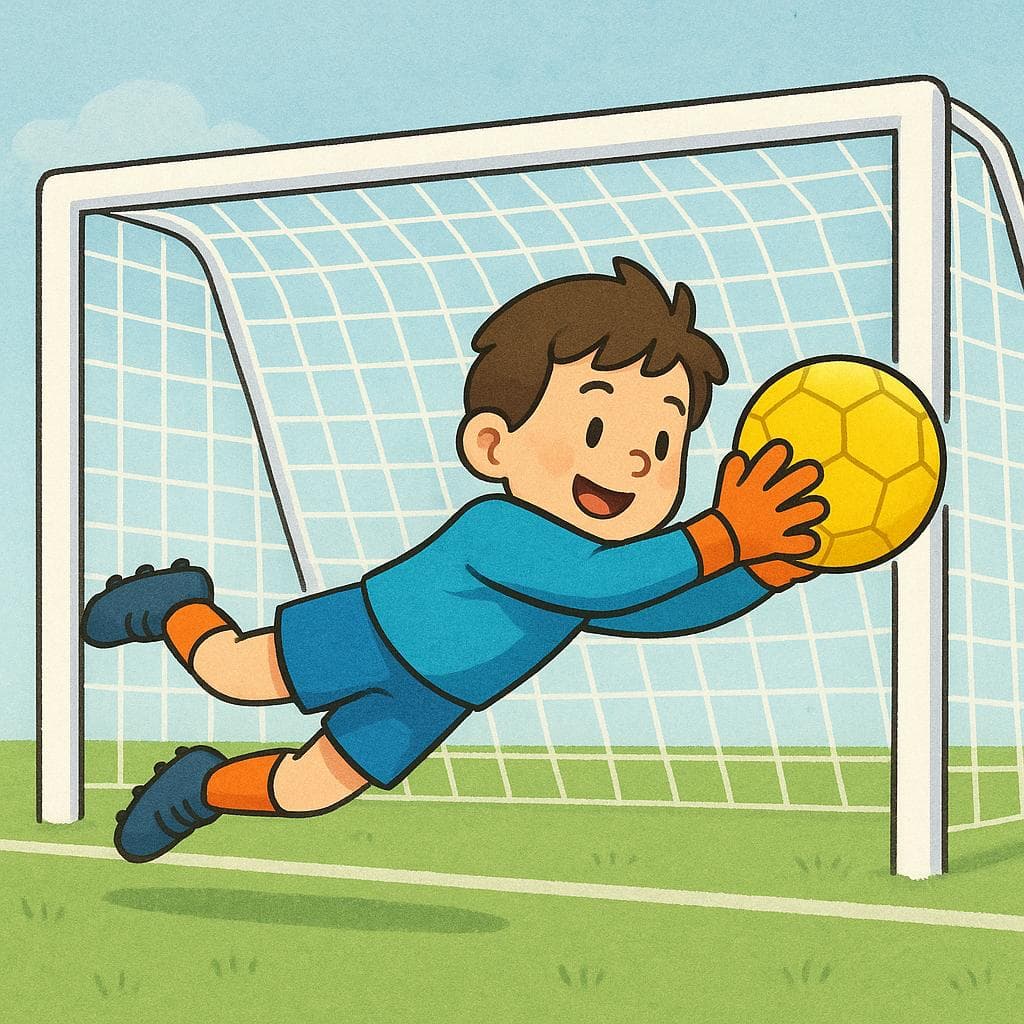
The most common Spanish word for “to block” is “bloquear” — use this for physically obstructing a path, a person, or an action, and also for blocking someone or something online (e.g., on social media).







bloquear
blo-keh-ahrblo.keˈaɾ

Examples
Un camión está bloqueando la calle principal.
A truck is blocking the main street.
Voy a bloquear a mi ex en Instagram.
I'm going to block my ex on Instagram.
Las nubes bloquean la luz del sol.
The clouds block the sunlight.
The 'Yo' Spelling Change
In the Past (Preterite), the 'yo' form changes its spelling to 'bloqueé' to keep the hard 'K' sound. This happens with most verbs ending in -ar.
Using it Digitally
When talking about apps, you can use it just like in English: 'Lo bloqueé' (I blocked him).
Misspelling the 'yo' form
Mistake: “yo bloquee (for past tense)”
Correction: yo bloqueé (the accent mark indicates it happened in the past).
tapar
ta-PARtaˈpaɾ

Examples
El fregadero se tapó con los restos de comida.
The sink got clogged with food scraps.
Tenemos que tapar ese agujero en la pared.
We have to plug that hole in the wall.
La nieve tapó la entrada de la casa.
The snow blocked the entrance to the house.
The 'Accidental' Se
When a drain clogs 'on its own,' we say 'Se tapó'. This makes it sound like an accident rather than something you did on purpose.
Clogged vs. Closed
Mistake: “Saying 'La tubería está cerrada' for a clogged pipe.”
Correction: Use 'La tubería está tapada'. 'Cerrada' means someone turned a valve off; 'tapada' means there is a physical blockage.
obstruir
obs-troo-eerobs.tɾwiɾ

Examples
La grasa puede obstruir las tuberías de la cocina.
Grease can clog the kitchen pipes.
Un camión volcado está obstruyendo el tráfico en la avenida.
An overturned truck is blocking traffic on the avenue.
El médico dice que una arteria se ha obstruido.
The doctor says an artery has become blocked.
The 'Y' Rule
For verbs like 'obstruir', when the 'u' sound meets another vowel, Spanish adds a 'y' to keep the pronunciation strong. This is why we say 'obstruyo' instead of 'obstruo'.
Spelling Change in the Past
In the past tense (preterite), the 'i' changes to 'y' for 'él/ella/usted' (obstruyó) and 'ellos' (obstruyeron) to avoid having three vowels in a row.
Mixing up Obstruir and Tapar
Mistake: “La tapa obstruye la botella.”
Correction: La tapa tapa la botella. Use 'obstruir' when something is stuck inside or preventing flow, not just for a lid.
impedir
im-peh-DEERim.peˈðiɾ

Examples
La lluvia no impidió que saliéramos a correr.
The rain didn't prevent us from going out to run.
Su falta de experiencia le está impidiendo conseguir el ascenso.
His lack of experience is hindering him from getting the promotion.
Las nuevas normas impiden el acceso a vehículos pesados.
The new rules block access to heavy vehicles.
Using 'que' and the Special Verb Form
When you use 'impedir' to prevent someone else from doing something, you usually follow it with 'que' and the special verb form (the subjunctive). Example: 'Impidieron que yo entrara.' (They prevented me from entering).
The 'e' to 'i' Change
In many present tense forms, the 'e' in the middle of the verb stem changes to an 'i'. Think of it as 'i-mpide' instead of 'e-mpede'. This change also happens in the present subjunctive.
Forgetting the Stem Change
Mistake: “Yo *empedo* (Incorrect present tense)”
Correction: Yo *impido* (Correct present tense). Remember the 'e' becomes 'i' when the stress falls on that syllable.
Using the Wrong Mood
Mistake: “Impidió que ellos *salieron*.”
Correction: Impidió que ellos *salieran*. (The action being prevented requires the special verb form, the subjunctive, after 'que'.)
estorbar
ess-tor-BARestorˈbar

Examples
Esa maleta estorba en medio del pasillo.
That suitcase is in the way in the middle of the hallway.
¿Te estorbo aquí o puedo quedarme?
Am I in your way here or can I stay?
El ruido estorbaba la concentración de los estudiantes.
The noise was hindering the students' concentration.
Using estorbar with people
When you want to say you are in someone's way, you use 'le' or 'te' (indirect objects). For example: 'No quiero estorbarte' (I don't want to be in your way).
Physical vs. Abstract
You can use this for physical objects (like a chair) or abstract things (like a noise or a law) that make a task harder.
Estorbar vs. Molestar
Mistake: “Using 'estorbar' for everything that is annoying.”
Correction: Use 'molestar' for general annoyance or bother. Use 'estorbar' specifically when something is physically blocking you or preventing an action from happening.
atorar
ah-toh-RARatoˈɾaɾ

Examples
El exceso de papel atoró la tubería del baño.
Too much paper clogged the bathroom pipe.
Ten cuidado, no atores la fotocopiadora con tantas hojas.
Be careful, don't jam the photocopier with so many sheets.
La nieve atoró la entrada de la cochera.
The snow blocked the garage entrance.
Active vs. Passive Blocking
Use 'atorar' when a specific thing is causing the block (e.g., the paper jammed the printer). If something gets stuck on its own, you'll need the reflexive version 'atorarse'.
Confusing with 'ahogar'
Mistake: “La basura ahogó el fregadero.”
Correction: La basura atoró el fregadero. (Use 'ahogar' for drowning in water or suffocating; use 'atorar' for physical blocks like trash in a drain).
interceptar
een-tehr-sep-TARinteɾsepˈtaɾ

Examples
El defensa logró interceptar el pase justo a tiempo.
The defender managed to intercept the pass just in time.
La policía interceptó el cargamento en la frontera.
The police intercepted the shipment at the border.
Es posible interceptar señales de radio con este equipo.
It is possible to intercept radio signals with this equipment.
The 'Personal A'
If you are intercepting a specific person (like a suspect), you must use the word 'a' before them. Example: 'Interceptaron a Juan' (They intercepted Juan).
A True Friend
This word is a 'cognate,' meaning it looks and acts almost exactly like the English word 'intercept,' making it very easy to remember!
Using 'interrumpir' instead
Mistake: “Quiero interrumpir la señal.”
Correction: Quiero interceptar la señal.
parar
pa-RARpaˈɾaɾ
Examples
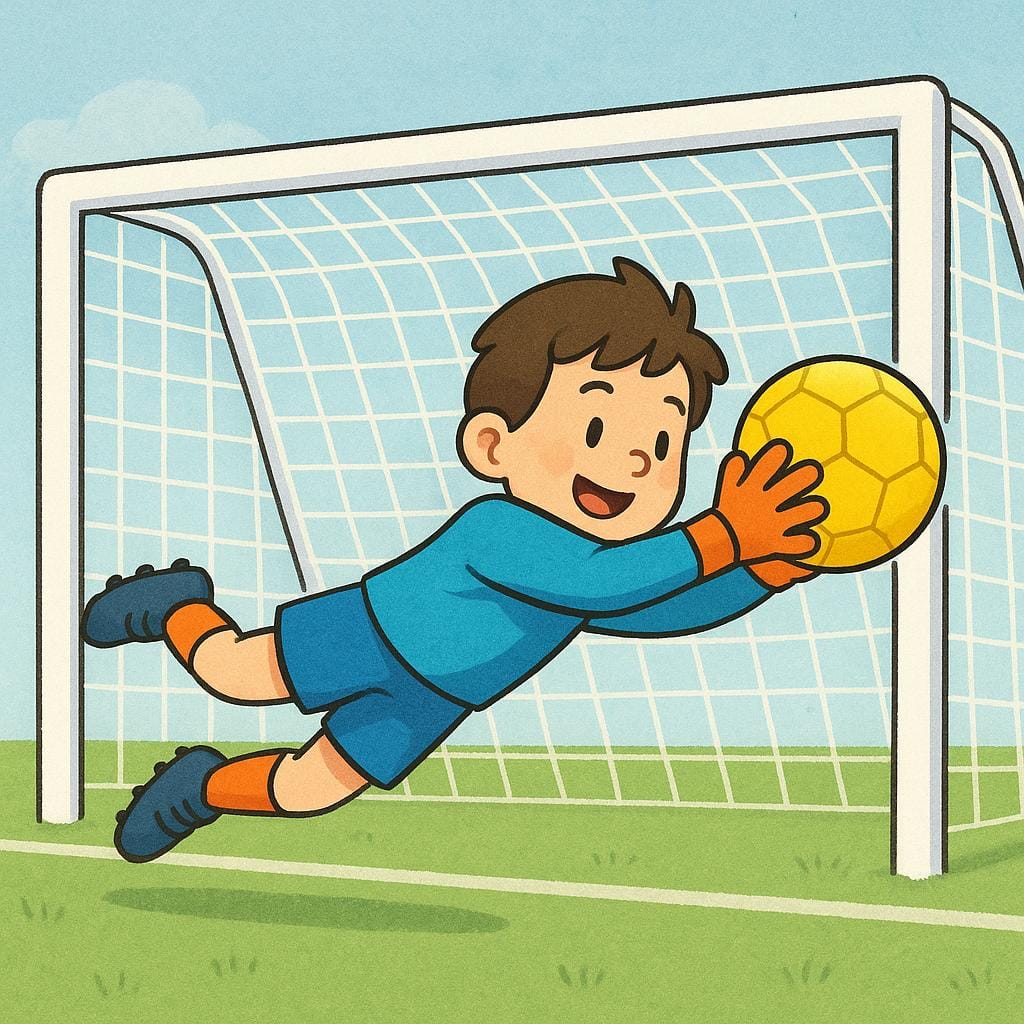
El portero paró el penalti y salvó al equipo.
The goalkeeper saved the penalty and saved the team.
¡Qué buena parada! Nadie esperaba que parara ese balón.
What a great save! Nobody expected him to save that ball.
Choosing between 'bloquear' and 'obstruir'/'tapar'
Learn Spanish with Inklingo
Interactive stories, personalized learning, and more.